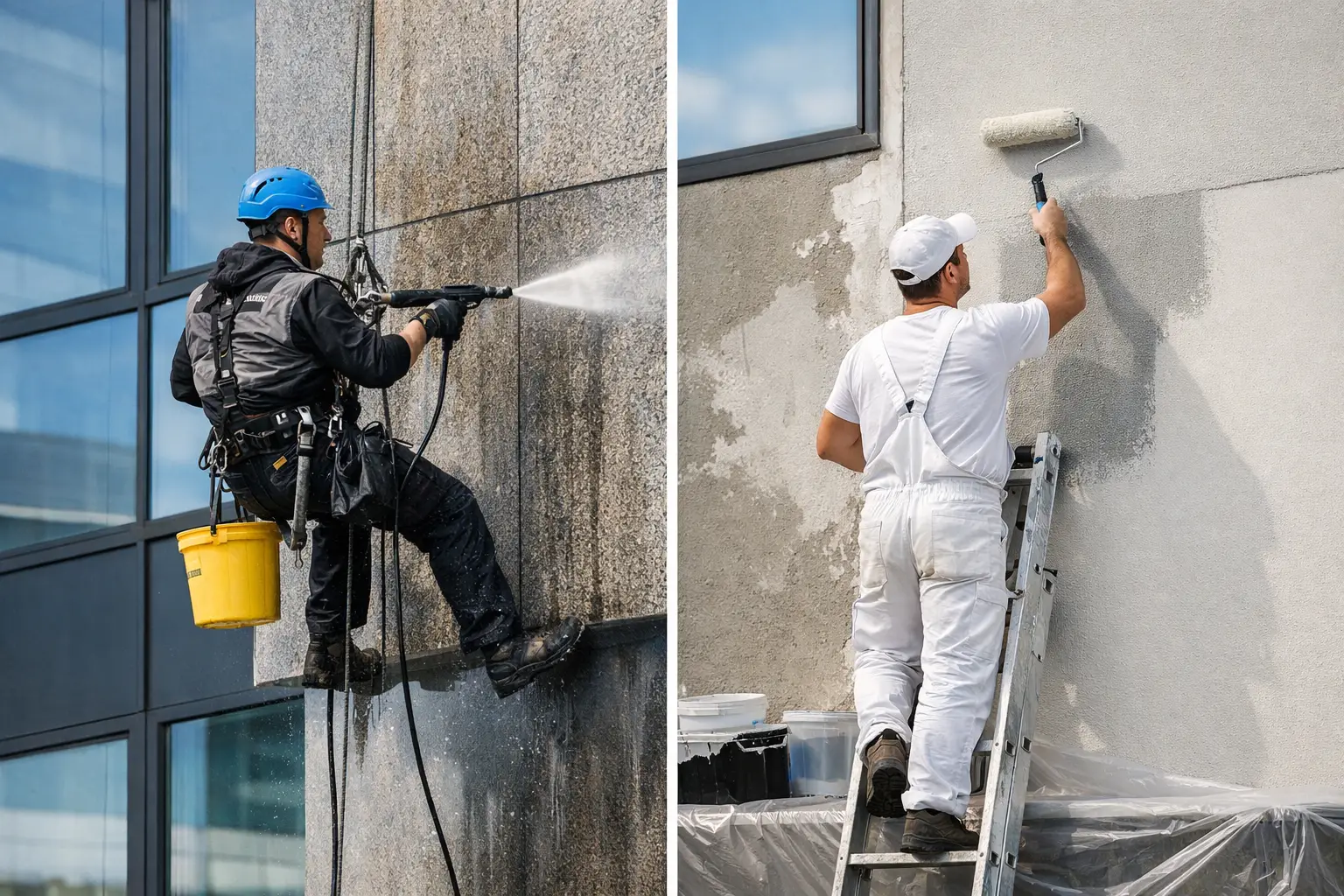
A facade can look tired long before its protective coating has failed. Dark runoff trails, traffic film, algae, and airborne dust often lead property teams to request repainting when the more appropriate first step is professional cleaning. In the decision between facade cleaning vs repainting, the visible condition matters, but the condition beneath the surface matters more.
For owners and managers of office towers, residential developments, and landmark properties, choosing correctly protects appearance, avoids premature work, and helps preserve the building envelope. The answer is rarely based on color alone. It requires an assessment of the facade material, the nature of the staining, the integrity of existing coatings, and the safe method of access.
Start With the Cause, Not the Appearance
Exterior surfaces in Malaysia are exposed to a demanding mix of high humidity, intense rainfall, UV exposure, urban pollution, and biological growth. These conditions can make a sound facade look neglected within a relatively short period. On painted concrete, metal cladding, stone, glass, or composite panels, surface contamination may be highly visible without indicating a need for replacement of the finish.
Cleaning is generally the right response when the existing coating remains bonded, intact, and capable of protecting the substrate. Repainting becomes necessary when the coating itself has degraded or when defects expose the building fabric to moisture and further deterioration.
This distinction is operationally significant. Cleaning addresses contamination. Repainting addresses coating failure. Treating one as the other can leave the underlying issue unresolved.
When Facade Cleaning Is the Better Option
Professional facade cleaning is appropriate when discoloration is primarily caused by deposits sitting on the surface. Common examples include dust, soot, rainwater streaks, mineral deposits, algae, mold, bird droppings, and residue from nearby construction activity.
A cleaned facade can restore a building’s intended appearance while retaining a coating that is still performing well. This is particularly relevant for high-rise properties, where regular cleaning supports presentation and can make inspections more effective. Dirt can conceal cracks, failed sealant, corrosion staining, and damaged panels. Once the surface is clean, maintenance teams can see what genuinely requires repair.
Cleaning may also be preferable for relatively new buildings or recently recoated properties that have accumulated pollution and biological growth. Repainting a dirty but sound surface does not eliminate the need for proper preparation. In fact, applying paint over contamination can lead to poor adhesion and early coating failure.
Signs That Cleaning May Be Enough
Look for uniform dirt accumulation, superficial streaking, localized biological growth, or stains that do not coincide with blistering, peeling, or cracking. If the paint color looks muted but the coating remains smooth, well-adhered, and free from extensive damage, a cleaning assessment is sensible.
The cleaning method must match the material. Glass, painted aluminum, natural stone, render, and composite cladding each respond differently to water pressure, detergents, brushing, and chemical treatments. An aggressive approach can etch surfaces, damage sealants, force water into joints, or strip a coating that was otherwise serviceable.
For this reason, a small test area is valuable before a full facade cleaning program begins. It confirms that the selected process removes contamination effectively without affecting the finish.
When Repainting Becomes Necessary
Repainting is not simply a visual upgrade. It is a protective maintenance measure when an existing coating no longer provides a reliable barrier against weathering and moisture.
Clear signs of coating failure include peeling, flaking, blistering, chalking, widespread fading, cracking, and loss of adhesion. Rust stains on painted metal elements may point to corrosion beneath or around the coating. On concrete surfaces, cracks, spalling, or persistent damp patches require investigation before any new paint is applied. A fresh coat can improve appearance temporarily, but it cannot correct moisture intrusion, substrate movement, failed waterproofing, or corrosion.
Where repainting is required, preparation determines the outcome. Loose coatings need to be removed, deteriorated areas repaired, cracks treated according to their cause, and the surface cleaned and dried before primer and compatible finish coats are applied. The chosen coating system must suit the substrate and exposure conditions, including UV intensity, rainfall, and vapor movement.
A facade that has reached this stage should not be treated as a cosmetic project. It is an opportunity to restore the exterior’s protective performance and address defects before they become more disruptive.
Facade Cleaning vs Repainting: The Decision Factors
The practical decision depends on four connected questions: What is on the surface? Is the existing coating intact? Is there evidence of moisture or substrate damage? Can the work be completed safely without compromising occupants or daily operations?
Surface contamination points toward cleaning. Coating deterioration points toward repainting. However, many facades need a combined approach. A building may have sound cladding panels that need cleaning, alongside painted concrete sections that require localized coating repairs. Treating the entire exterior with one method can be inefficient and may overlook material-specific needs.
Age alone is not a reliable guide. A well-maintained coating on an older building can outperform a neglected coating on a newer one. Exposure also varies across the same property. Elevations facing prevailing rain or heavy traffic may deteriorate faster, while sheltered sides may show more biological growth due to prolonged dampness.
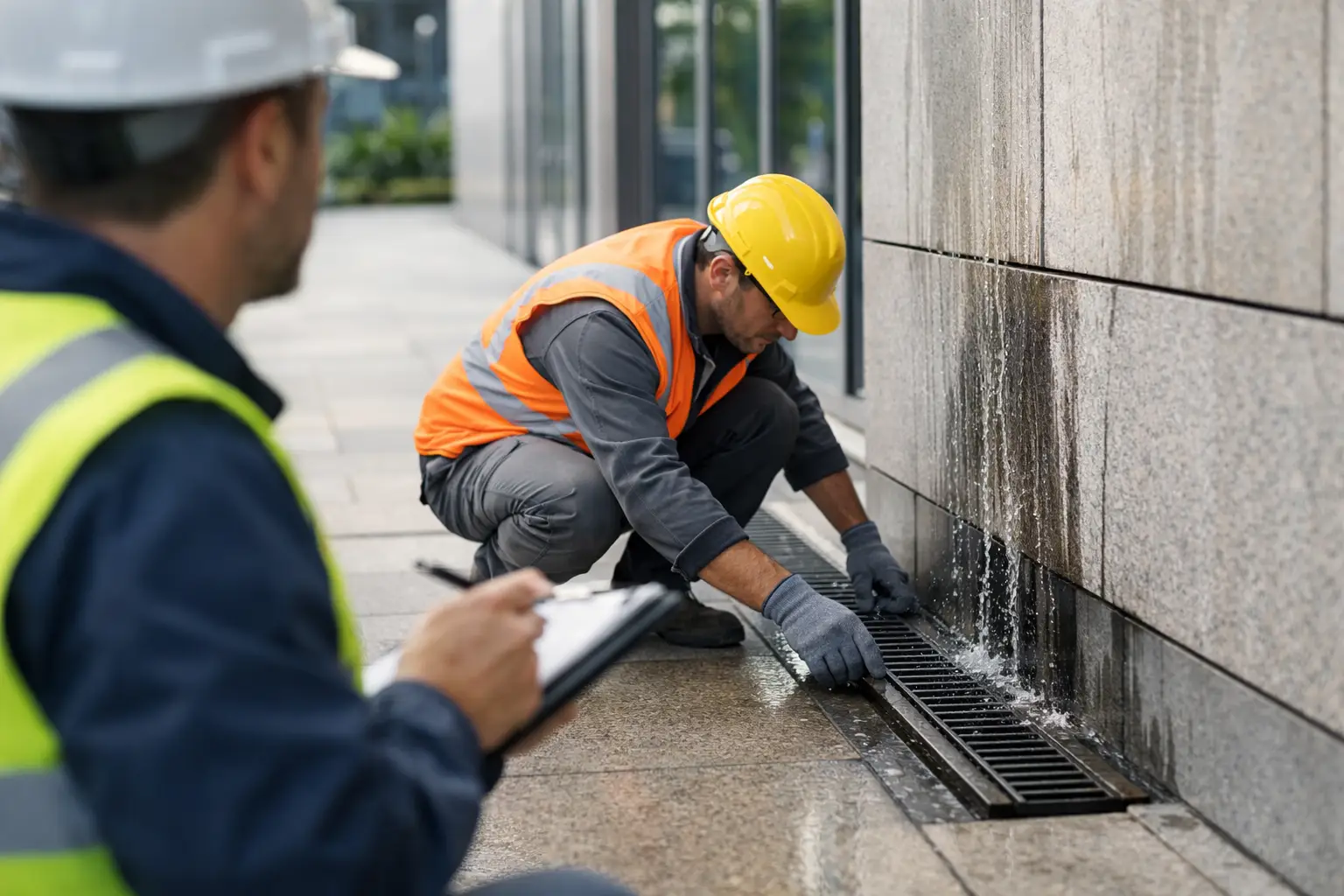
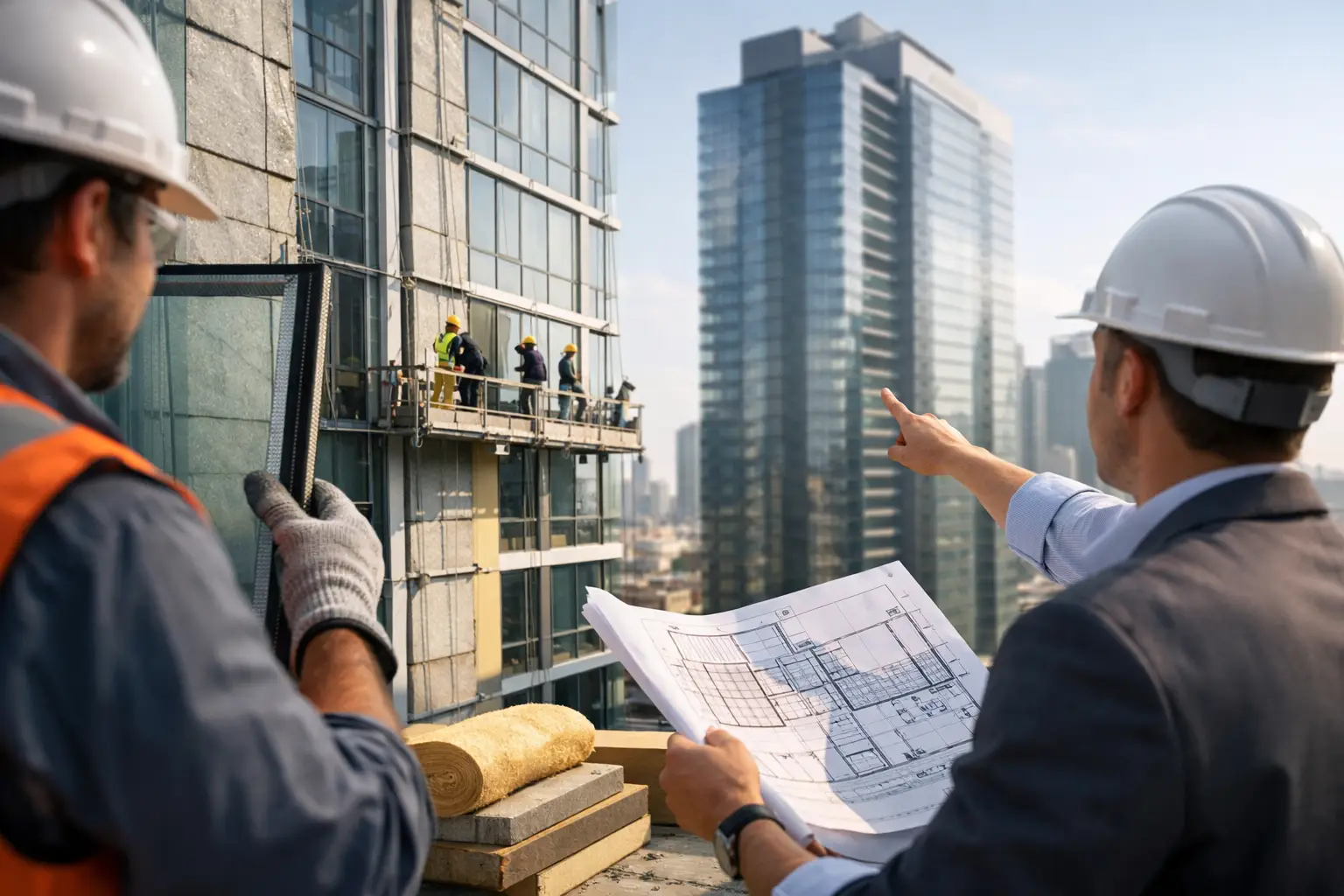
A condition survey helps separate these issues. It should review representative areas at different heights and orientations, including parapets, ledges, joints, window perimeters, balconies, and locations around drainage outlets. These are the areas where water movement and access limitations often reveal themselves first.
Do Not Paint Over an Unresolved Facade Problem
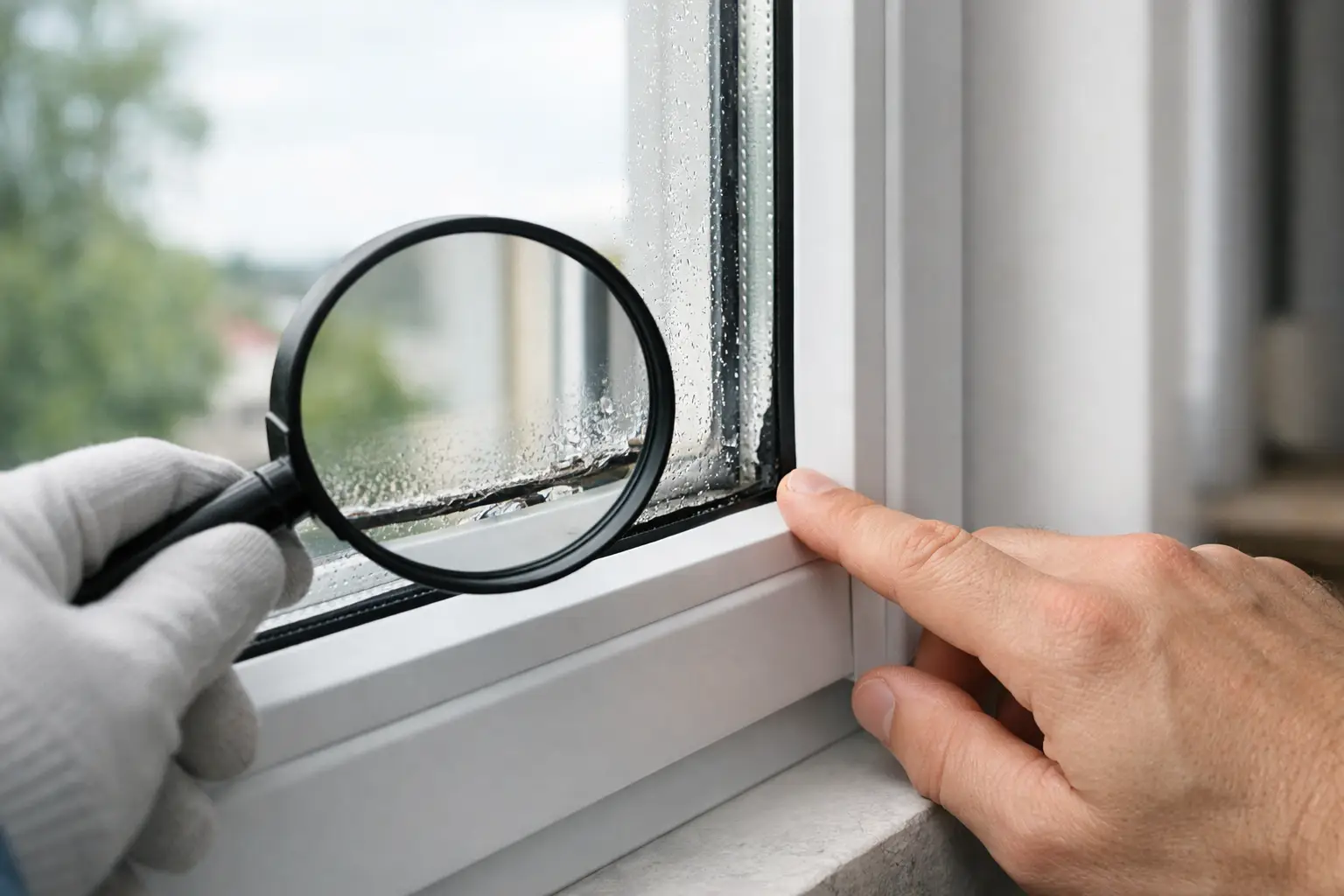
One of the most common maintenance mistakes is repainting before identifying why the surface has deteriorated. If paint is bubbling because moisture is entering through failed sealant joints, repainting alone will not stop the problem. If recurring brown marks come from corroding metal components, the source must be treated before the finish is restored.
The same principle applies to recurring algae and mold. Cleaning can remove visible growth, but persistent regrowth may indicate poor drainage, water ponding, shaded areas with limited drying, or facade details that retain moisture. Addressing these conditions can extend the interval between cleaning cycles and reduce future deterioration.
A professional assessment should therefore distinguish between symptoms and causes. Stains are symptoms. Cracks, leaking joints, failed coatings, blocked drainage paths, and corrosion can be causes. The maintenance plan should respond to both.
Access and Safety Shape the Right Maintenance Plan
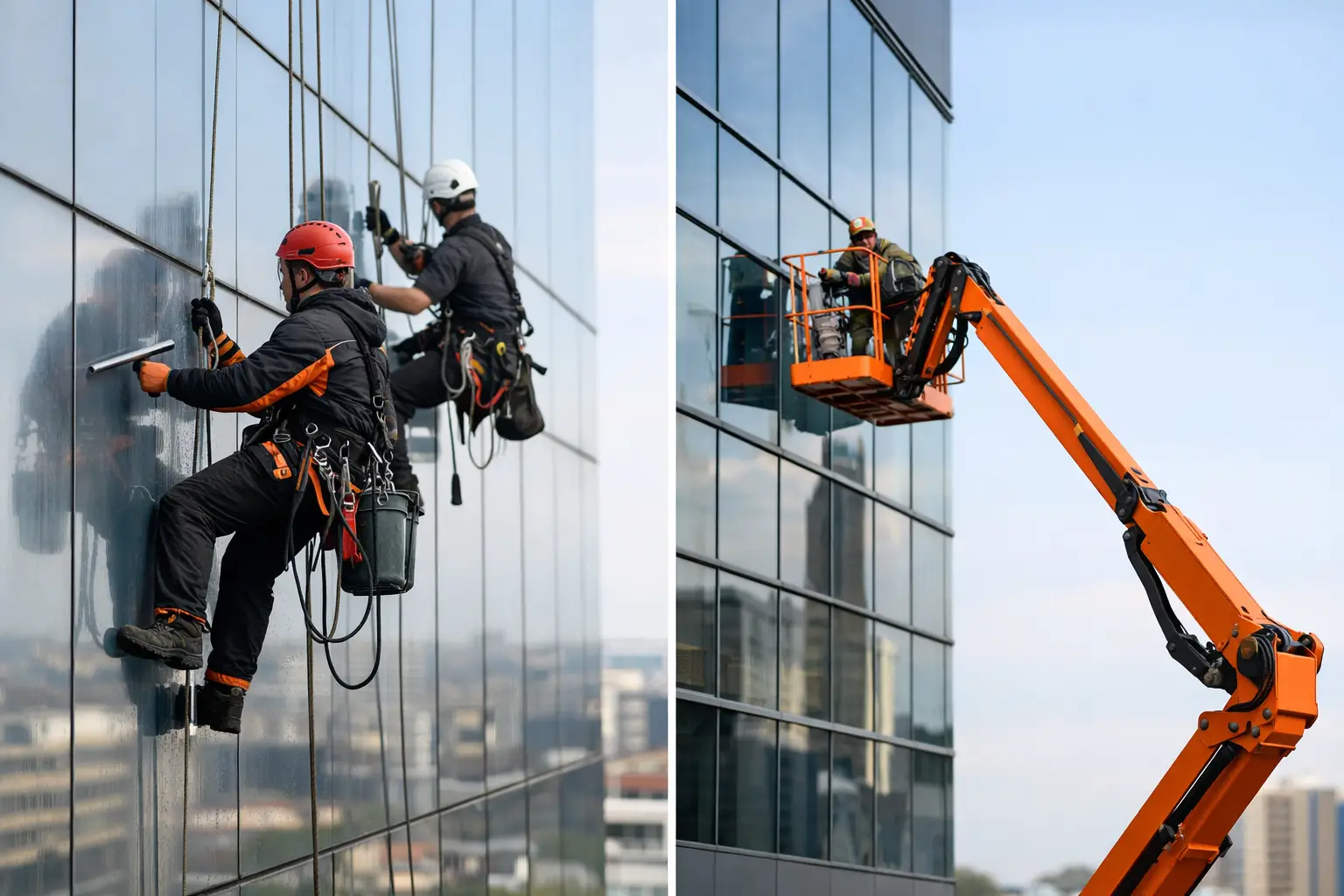
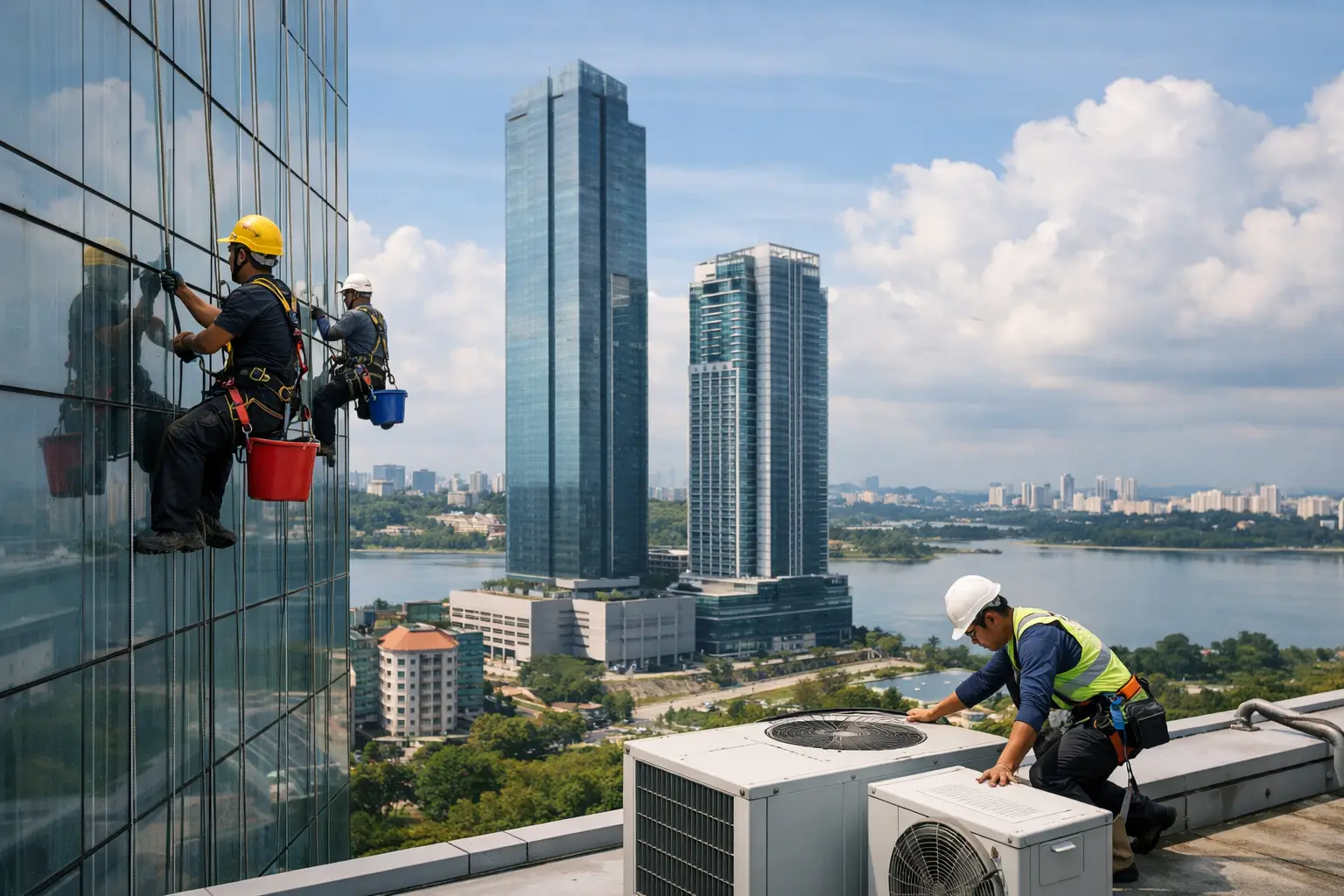
On mid-rise and high-rise buildings, safe access is part of the technical solution, not an afterthought. The right approach may involve rope access, building maintenance units, suspended platforms, or other controlled work-at-height methods, depending on the facade design and work scope.
Access planning influences how thoroughly surfaces can be inspected, cleaned, repaired, and recoated. It also affects tenant coordination, protection of surrounding areas, water management, and the ability to carry out work with minimal disruption. A facade that is difficult to reach should not be maintained only where access is convenient. Neglected upper elevations, recessed areas, and architectural projections can develop defects that remain unseen from ground level.
Experienced facade specialists plan access around the building’s geometry and material system. This allows teams to focus on the areas most exposed to deterioration while maintaining disciplined safety controls throughout the work.
A Better Long-Term Approach: Clean, Inspect, Repair, Protect
For many properties, the strongest maintenance strategy is not choosing cleaning or repainting as isolated events. It is creating a cycle that begins with inspection, uses cleaning to remove harmful deposits and reveal defects, completes targeted repairs where needed, and repaints only when the coating has reached the end of its useful service life.
This approach supports better documentation and more predictable planning. It also helps facility teams identify repeat issues, such as runoff staining below a failed joint or early coating breakdown on a heavily exposed elevation. Over time, those observations lead to better decisions about materials, drainage, sealants, and maintenance intervals.
Facade by Vertical Pro Sdn Bhd approaches exterior maintenance with this material-specific and access-led perspective, helping property stakeholders assess what their facade needs rather than applying a one-size-fits-all solution.
A clean facade sends a positive signal to tenants, visitors, and investors. More importantly, a properly assessed facade protects the structure behind it. Before specifying repainting, make sure the surface is not simply asking to be cleaned – and before cleaning, make sure visible staining is not warning of a deeper defect.
Discuss the next step
For advice on facade cleaning vs repainting, request a site assessment or quotation from Vertical Pro.
A technically correct repair can still be poorly planned if safe access is treated as an afterthought. DOSH Malaysia’s fall-prevention guidance provides a structured basis for the work-at-height plan.
Leave a Reply