
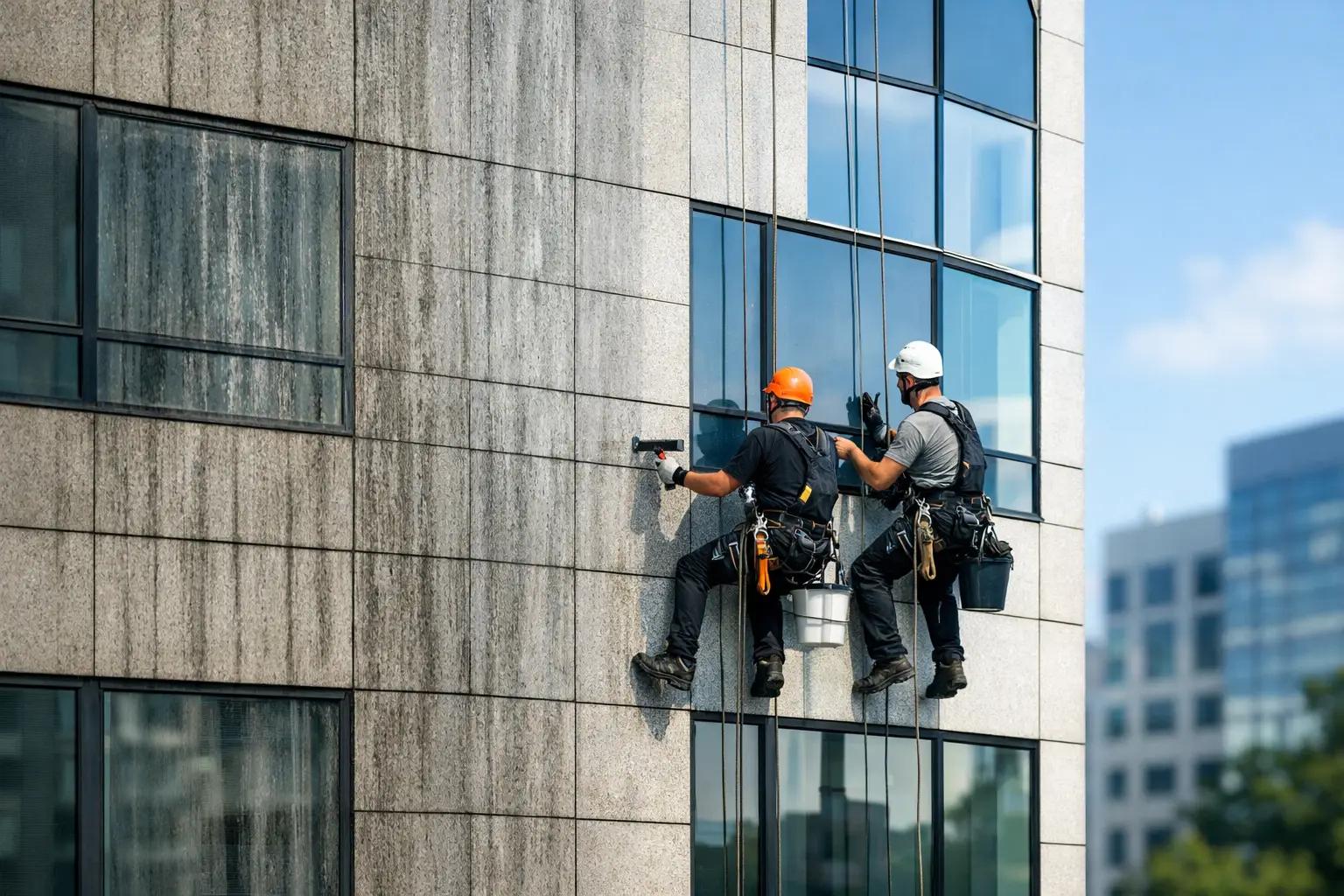
facade deterioration is usually gradual. Early signs include dull staining below window lines, dark streaks under ledges, algae taking hold on shaded elevations, or residue collecting where rainwater does not wash evenly. That is usually when building teams begin asking, when should facade be cleaned? The practical answer is not simply “when it looks dirty.” It should be cleaned before surface buildup begins to affect appearance, material condition, drainage behavior, or public perception.
For commercial and residential assets, facade cleaning is part of preventive maintenance. A clean exterior supports tenant confidence, protects finish performance, and helps maintenance teams spot developing defects early. In a tropical climate such as Malaysia, where humidity, rainfall, urban pollution, and biological growth work together, timing matters more than many owners expect.
When should facade be cleaned in practice?
The right schedule depends on exposure, facade material, building height, surrounding environment, and the standard of presentation expected for the property. A glass office tower beside a high-traffic roadway will not age the same way as a residential block set back from major pollution sources. A heritage facade also requires a different cleaning rhythm than a modern metal and glass envelope.
In practice, most buildings should not wait for heavy discoloration before action is taken. Once soiling becomes obvious from street level, buildup is often already well established on upper elevations, joints, recesses, and shaded zones. At that stage, cleaning is still possible, but the work may require more care because deposits can be more stubborn and material-sensitive areas may have been exposed for longer than ideal.
A better approach is condition-based planning. That means pairing regular facade inspections with a cleaning cycle suited to the building’s actual exposure. For many urban properties, annual or semiannual review is sensible, even if full cleaning is not needed every time.
The clearest signs your facade should be cleaned
Visual appearance is the first trigger, but it should not be the only one. By the time occupants, visitors, or management committee members are commenting on the exterior, the issue is already visible enough to affect perception.
Dark runoff lines under sills, slab edges, and facade projections are a common sign. These marks usually indicate uneven water movement carrying dirt and airborne contaminants across the surface. Green growth, especially in shaded or moisture-retentive areas, is another strong signal. Algae, mold, and similar organic buildup are not just cosmetic. They can retain moisture against the facade and accelerate staining or surface wear.
Glass that appears hazy after rain, cladding panels with patchy discoloration, and masonry that looks darker in isolated zones can also point to the need for cleaning. Sometimes the issue is not widespread dirt but localized concentration around drainage points, sealant lines, exhaust outlets, or architectural details that trap runoff.
There is also an operational reason to clean before buildup becomes severe. Dirt can hide cracks, sealant deterioration, failed joints, loose components, and corrosion staining. A neglected surface is harder to inspect accurately. Cleaning often reveals what the facade is actually doing.
Climate plays a major role
Malaysia’s climate creates a different maintenance pattern than drier regions. High humidity encourages biological growth. Frequent rain can help rinse loose dust from some surfaces, but it also creates streaking where water drains unevenly. Pollution, construction dust, vehicle emissions, and coastal salt exposure in some areas all add to the load on exterior surfaces.
This is why buildings in Kuala Lumpur, Selangor, Johor, and Penang may show different cleaning needs even when they use similar facade systems. Dense urban exposure can lead to faster grime accumulation. Coastal conditions may intensify salt-related deposits and surface stress. Shaded elevations often stay damp longer, which supports algae and mildew growth.
As a result, there is no single calendar date that suits every property. Timing should reflect local exposure patterns, not a generic assumption that rain will keep the building clean. Rain rarely cleans a facade evenly. It usually reveals where water flow is helping and where it is making the problem more visible.
Different facade materials need different timing
Material type changes both how quickly a facade looks dirty and how carefully it should be cleaned. Glass tends to show spotting, haze, and runoff marks quickly, especially on prominent office buildings where presentation standards are high. Metal cladding may hold airborne dust and pollution films in a way that reduces reflectivity or creates uneven color. Stone, render, and precast surfaces can trap dirt within texture, making staining more noticeable over time.
Porous materials often need earlier attention because contaminants can settle deeper into the surface. Smooth non-porous materials may appear easier to maintain, but they also show streaks and residue more clearly. Heritage facades deserve particular caution. Cleaning should be timed before aggressive buildup develops, because older materials and finishes are less forgiving if harsher methods are needed later.
This is one of the main trade-offs in facade care. Cleaning too late can mean more difficult removal and greater material sensitivity. Cleaning too often without a proper assessment can also be unnecessary or, if done poorly, counterproductive. The correct interval protects both appearance and substrate condition.
Cleaning should align with inspections, not replace them
A common mistake is treating facade cleaning as a cosmetic task only. For building managers and asset owners, it should also support inspection and maintenance planning. If access is being mobilized for cleaning, that is often the right time to observe sealants, anchors, glazing gaskets, movement joints, coatings, and drainage-related defects.
When should facade be cleaned? Ideally, before minor issues are masked by dirt and before access planning becomes urgent. Coordinating cleaning with periodic facade assessments helps teams identify whether stains are simply environmental or linked to a deeper defect such as water leakage, failed sealant, corrosion, or poor drainage detail.
This matters especially for high-rise buildings, where access complexity can delay reactive work. If teams wait until the facade looks neglected, they may also be postponing the detection of conditions that affect performance and safety.
Seasonal and operational timing matter too
The best time to clean is not only about dirt level. It is also about site operations, weather windows, and access control. Exterior cleaning should be planned around building activity so work can proceed safely and with minimal disruption to occupants, tenants, and visitors.
Periods following prolonged haze, nearby construction activity, or monsoon-driven staining often make sense as review points. Buildings that host corporate tenants, premium residences, hospitality operations, or high visitor traffic may also need cleaning scheduled ahead of major occupancy periods, handovers, inspections, or public-facing events.
That said, appearance should not be the sole driver. A building should not wait for a milestone event if biological growth is spreading, runoff staining is intensifying, or inspection visibility is declining. Operational convenience matters, but facade condition matters more.
Why delaying facade cleaning creates bigger problems
The immediate effect of delay is visual decline. The more serious concern is that long-standing buildup can hold moisture, obscure defects, and contribute to gradual material stress. On some surfaces, staining becomes harder to remove the longer it remains. On others, trapped dirt around joints and details can interfere with water shedding behavior or hide localized deterioration.
There is also a reputational cost. For office towers, mixed-use developments, and managed residential properties, facade condition shapes how the asset is perceived before anyone enters the building. Tenants and visitors may not know the technical cause of facade staining, but they will notice neglect.
From a management standpoint, that is why dependable cleaning schedules are more effective than reactive cleaning campaigns. Planned care supports consistency. It also gives building stakeholders better control over access, safety planning, and maintenance coordination.
A practical way to decide
If the building has visible staining, recurring algae, patchy runoff marks, or surfaces that no longer present well from normal viewing distance, the facade is already asking for attention. If the exterior has not been reviewed in a long period, that alone is reason to assess it. For high-rise and architecturally sensitive buildings, decisions should be based on inspection findings, exposure conditions, and material behavior rather than assumptions.
Facade by Vertical Pro Sdn Bhd approaches this as a building performance issue, not just a cleaning task. The goal is to clean at the point where appearance, protection, and safe maintenance access all align.
The best time to clean a facade is usually earlier than owners think and later than a purely cosmetic schedule would suggest. Not too late to allow buildup to settle into the surface, and not so often that maintenance loses purpose. The right answer is the one that keeps the building presentable, inspectable, and protected year after year.
Discuss the next step
For advice on facade cleaning indicators, request a site assessment or quotation from Vertical Pro.
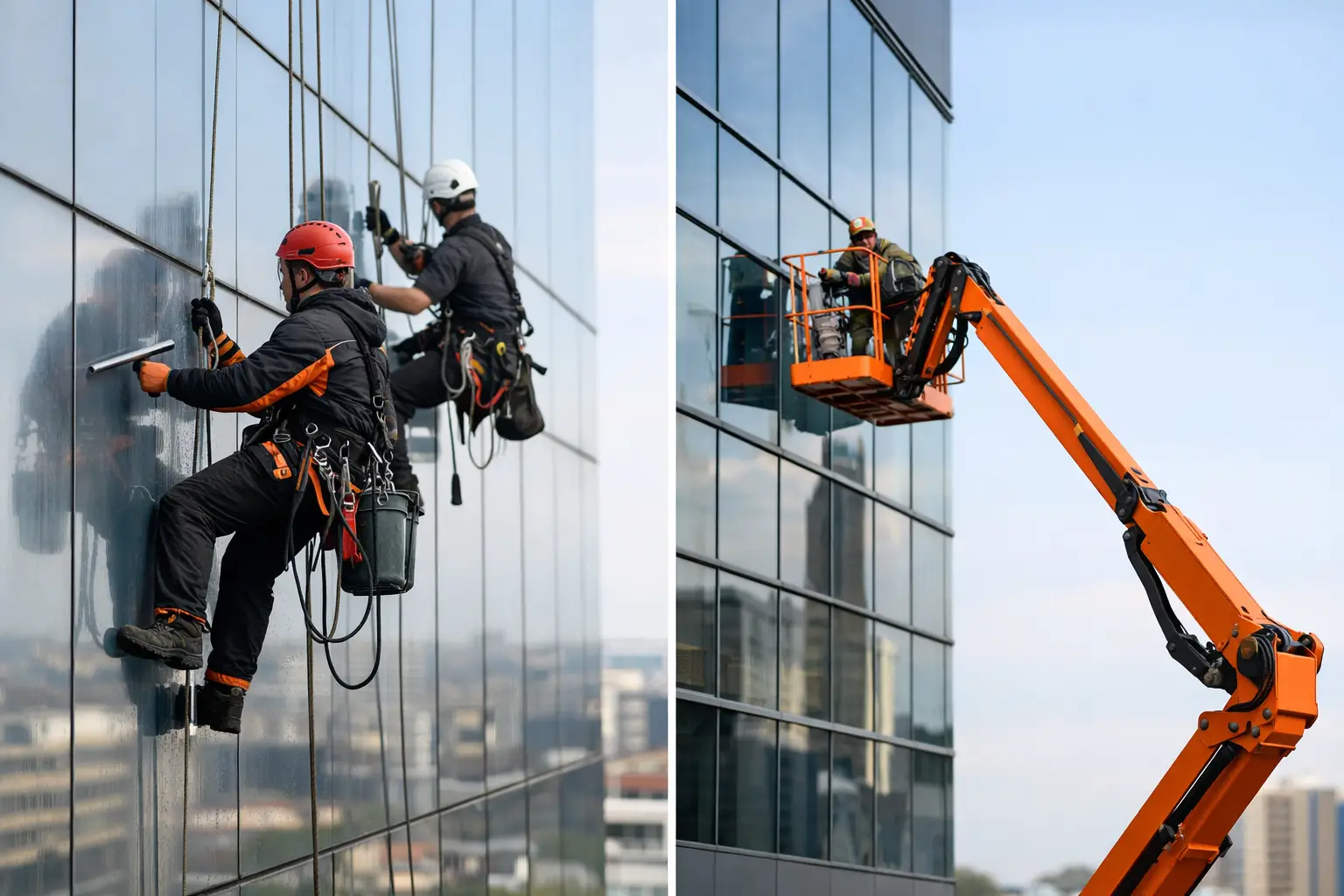
For work above ground level, the scope should include fall prevention and public protection—not only the technical task. See DOSH Malaysia’s fall-prevention guidance for the relevant safety framework.



Leave a Reply