
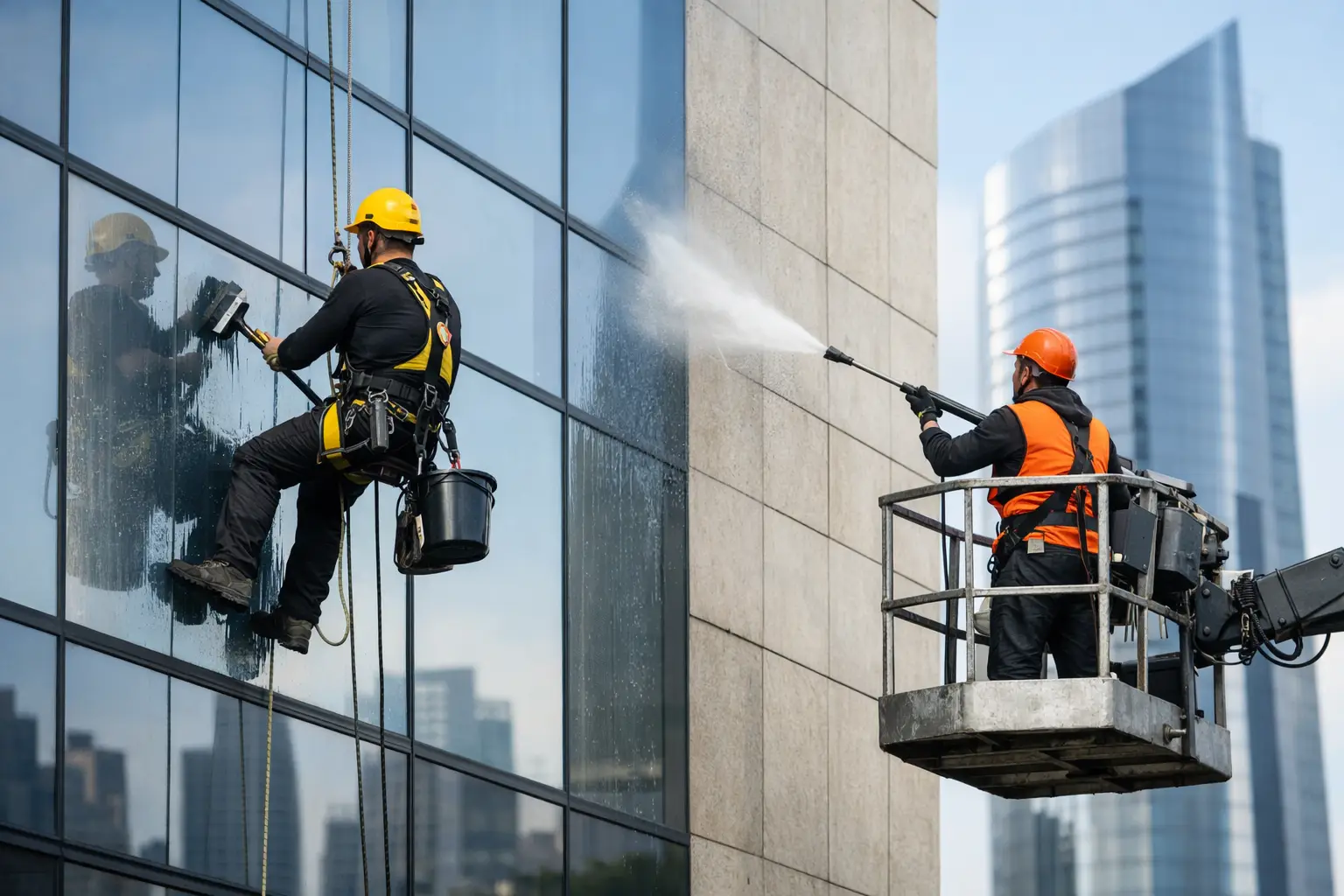
A stained facade rarely starts as a cosmetic issue alone. On high-rise offices, residential towers, and heritage properties, surface buildup often signals a larger maintenance concern – pollution, biological growth, trapped moisture, or material deterioration. That is why choosing the best facade cleaning methods matters. The right method protects appearance, extends material life, and reduces the risk of damage caused by aggressive or poorly matched cleaning.
For building owners and facility teams, the real question is not simply how to remove dirt. It is how to clean effectively without harming coatings, sealants, joints, glazing, stone, or metal panels. The answer depends on the facade material, the type of soiling, the building height, and the access strategy needed to carry out the work safely.
What determines the best facade cleaning methods?
There is no single method that suits every building. A glass curtain wall with urban pollution buildup requires a different approach from painted concrete affected by algae, or natural stone with embedded staining. Good facade cleaning starts with assessment, not equipment.
The first factor is the facade system itself. Glass, aluminum composite panels, precast concrete, brick, rendered surfaces, terracotta, and natural stone all respond differently to water pressure, chemical exposure, and brushing action. A method that works well on durable concrete may etch stone, strip protective coatings, or force water into weak joints.
The second factor is the contaminant. Dust and airborne grime are usually easier to remove than carbon staining, efflorescence, rust marks, fungal growth, bird droppings, or paint residue. Different contaminants bond to surfaces in different ways, so the cleaning process has to match the cause.
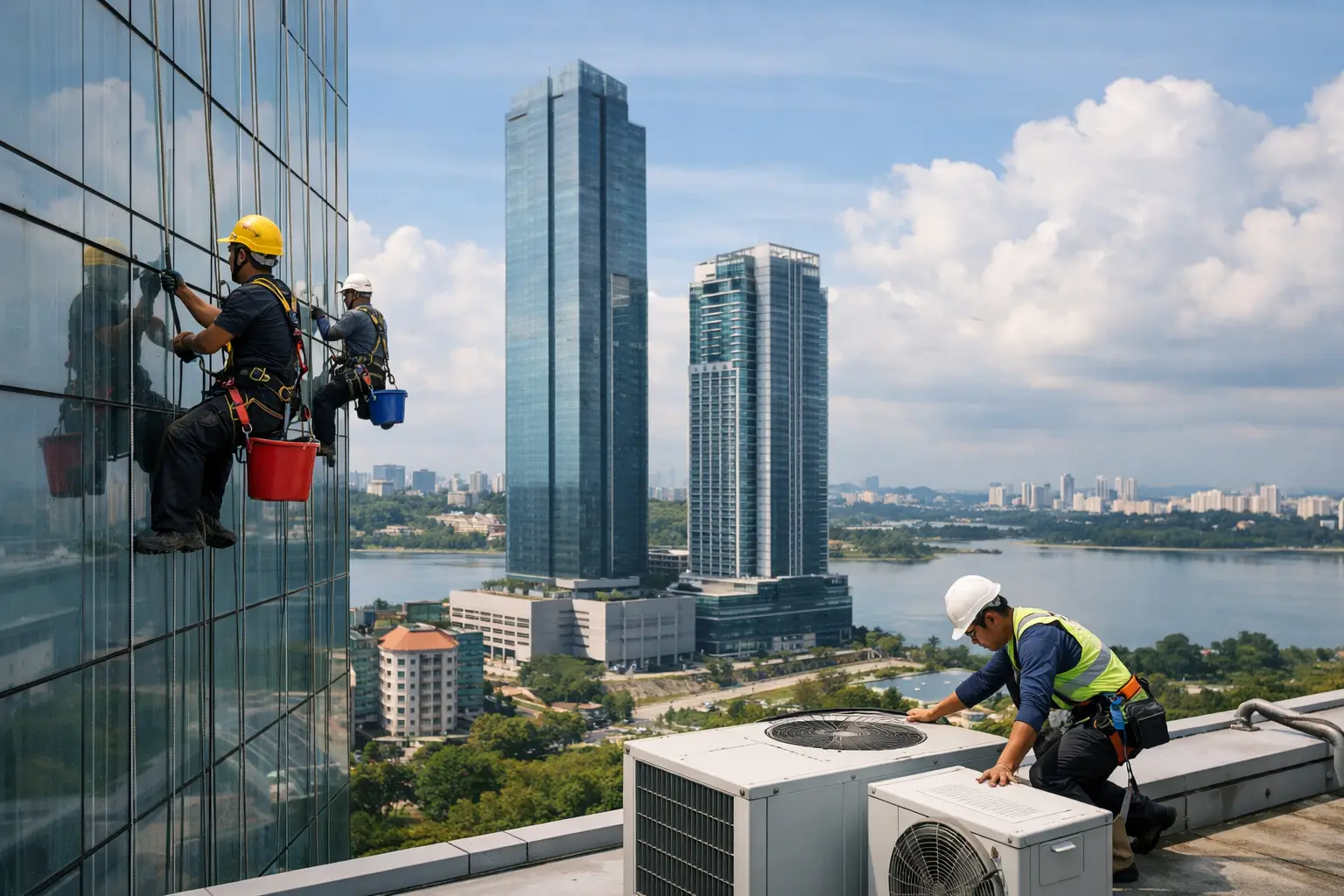
The third factor is access. On mid-rise and high-rise buildings, the cleaning result is closely tied to how the team reaches the work area. Rope access, gondolas, boom lifts, and suspended platforms each have operational implications. Safe access is not separate from cleaning quality. It directly affects control, coverage, and the ability to treat detailed facade areas properly.
Best facade cleaning methods by condition and material
Low-pressure water washing
Low-pressure water washing is one of the most widely used methods for routine facade cleaning. It is suitable for removing light dirt, dust, traffic film, and loose biological matter from surfaces that can tolerate moisture exposure. When used correctly, it is controlled, efficient, and less likely to damage finishes than high-pressure cleaning.
This method works well on many painted surfaces, sealed concrete, some metal cladding, and general exterior maintenance programs. It is often the preferred starting point because it allows teams to test how much soiling can be removed with minimal intervention.
Its limitation is that it will not solve every problem. Deep staining, oily deposits, and mineral buildup usually need more than water alone. On porous surfaces, excessive saturation can also create problems if drainage, sealants, or facade defects are already compromised.
Soft washing
Soft washing combines low-pressure water application with cleaning agents designed to break down organic growth, surface staining, and embedded grime. It is especially useful where algae, mold, mildew, and atmospheric buildup are recurring issues, which is common in humid tropical environments.
For buildings in Malaysia, this method is often effective on exterior walls exposed to repeated rain, shaded elevations, and areas with persistent moisture retention. It allows contaminants to be treated chemically rather than blasted off mechanically, which is safer for delicate finishes.
The trade-off is that chemical selection and rinse control matter a great deal. An unsuitable solution can affect coatings, nearby landscaping, or sensitive materials. This is why soft washing should never be treated as a casual spray-and-rinse process.
Detergent cleaning for glass and metal facades
Glass curtain walls and metal facade systems often respond best to controlled detergent cleaning with non-abrasive tools. This method is designed to remove urban grime, water marks, oily residue, and surface pollutants without scratching or dulling the finish.
On modern commercial buildings, appearance standards are high, so streaking, residue, and inconsistent finish quality are major concerns. Proper detergent cleaning uses facade-safe products, soft applicators, and careful rinse techniques to maintain clarity and surface integrity.
This method is highly effective for routine maintenance, but it depends on disciplined execution. Harsh pads, strong solvents, or incorrect dilution can damage anodized finishes, coated glass, and sealant edges. On high-rise properties, access quality also affects the result because uneven pressure or poor positioning can leave visible cleaning lines.
Brush agitation and manual detailing
Some facade areas need more than washing alone. Textured concrete, decorative elements, ledges, corners, and heavy localized staining often require manual brushing and spot treatment. This is where detail work becomes essential.
Manual cleaning is slower, but it gives operators better control over sensitive areas and stubborn deposits. It is often part of a broader cleaning program rather than a standalone method. For example, a facade may be pre-washed, then manually treated in areas with concentrated staining or biological growth.
The value of this method is precision. The downside is time and labor intensity. It is best used where targeted intervention produces a better result than applying a more aggressive method across the entire facade.
Steam cleaning for sensitive surfaces
Steam cleaning can be a strong option for certain delicate or historic materials where harsh pressure and abrasive action should be avoided. It uses heat and controlled moisture to loosen contaminants from the surface while reducing the need for stronger chemicals.
This approach may be suitable for some heritage facades, stone details, or areas where conservation concerns are part of the maintenance plan. It can remove biological matter and atmospheric grime effectively when carried out by teams familiar with material behavior.
However, steam cleaning is not automatically gentle in every context. Heat can affect fragile finishes, older repairs, or unstable substrates. On heritage and architecturally significant buildings, small-area testing is essential before wider application.
Specialized chemical cleaning
There are cases where staining cannot be removed without specialized chemical treatment. Rust runoff, efflorescence, cement haze, paint transfer, and carbon staining may require products formulated for a specific contaminant and substrate.
This is often where the most mistakes happen. A chemical that removes one type of stain effectively can discolor surrounding material or weaken surface protection if it is misapplied. The best results come from identifying the stain correctly, testing first, and controlling dwell time, agitation, and rinsing.
Chemical cleaning is sometimes necessary, but it should be selective. Stronger treatment is not always better. On facade maintenance, overcleaning can become its own form of damage.
Methods to avoid or use with caution
High-pressure washing is the clearest example of a method that is often overused. It may seem efficient, but on many building facades it creates unnecessary risk. Strong pressure can drive water into joints, loosen sealants, erode paint, scar render, and damage soft masonry.
Abrasive cleaning also demands caution. Aggressive pads, blasting methods, and harsh scraping may remove stains quickly, but they can permanently alter the surface texture and appearance. On premium commercial buildings and heritage assets, that trade-off is rarely acceptable.
The better approach is controlled cleaning matched to the material condition. The goal is not the fastest visible result. It is a clean, intact facade that performs well after the work is done.
Why access strategy is part of the cleaning method
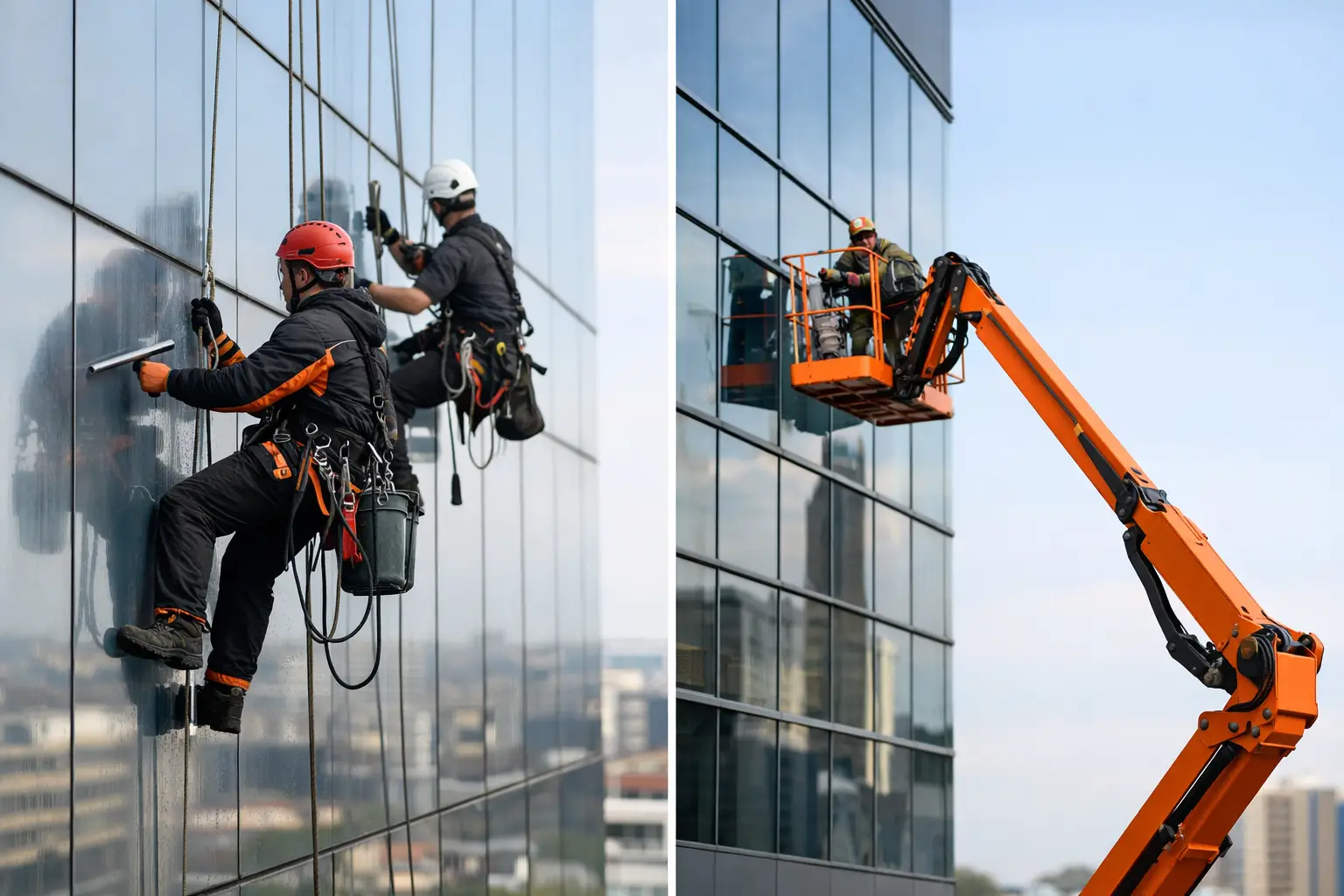
For high-rise properties, the best facade cleaning methods are only as effective as the access plan behind them. Rope access, for example, allows skilled technicians to reach complex elevations, recessed facade zones, and architecturally detailed surfaces with minimal disruption to building operations. It is particularly useful where fixed access systems are limited or where precision work is needed.
Other buildings may be better suited to gondolas or elevated platforms, especially on broad and repetitive elevations. The right access method depends on building height, facade geometry, surrounding site conditions, and the cleaning tasks involved.
This matters because facade cleaning is not just about removing dirt. It is about doing so consistently, safely, and with enough control to protect the envelope. Companies such as Facade by Vertical Pro Sdn Bhd focus on this intersection of facade expertise and safe high-rise access because one without the other leads to compromised results.
How to choose the right facade cleaning plan
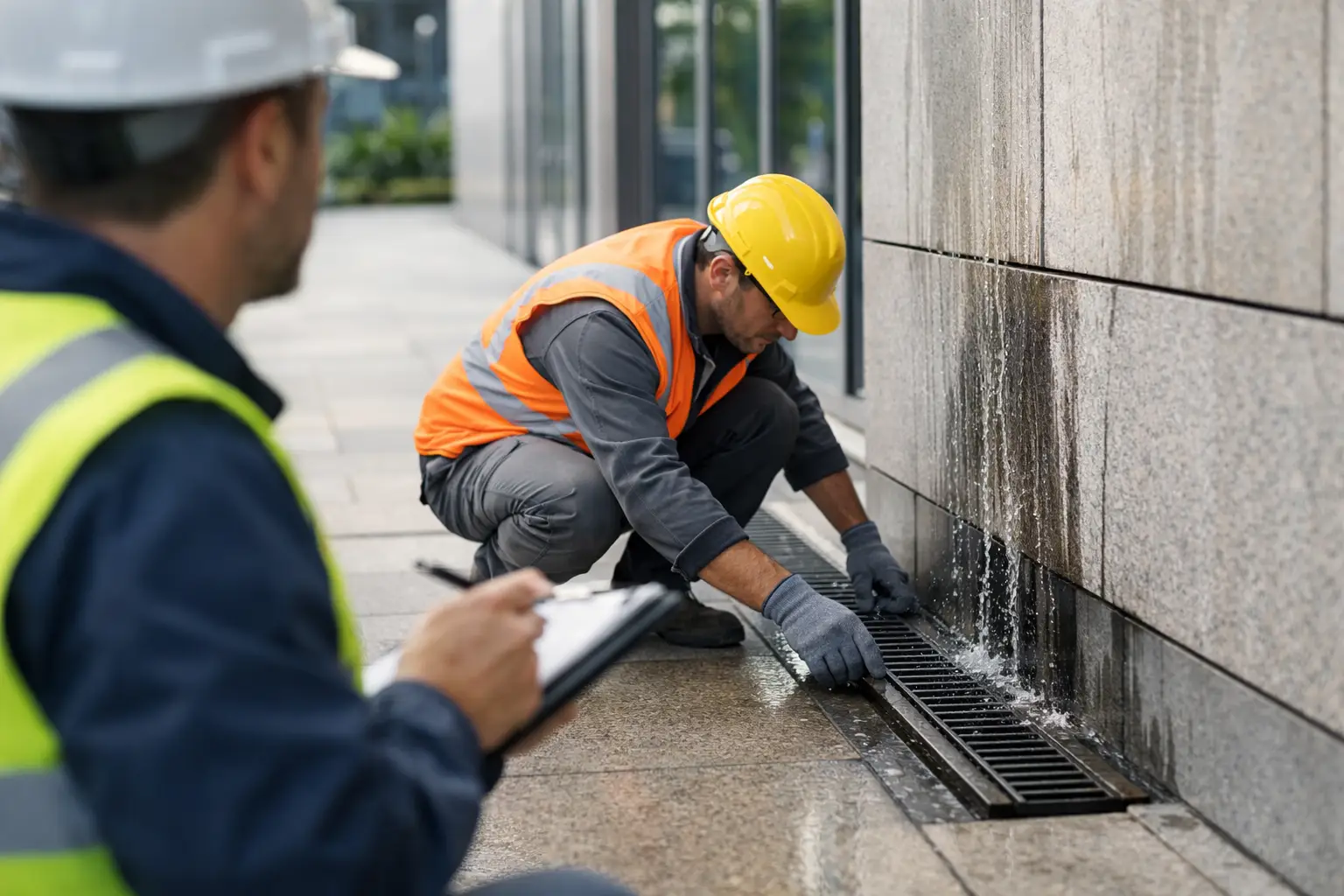
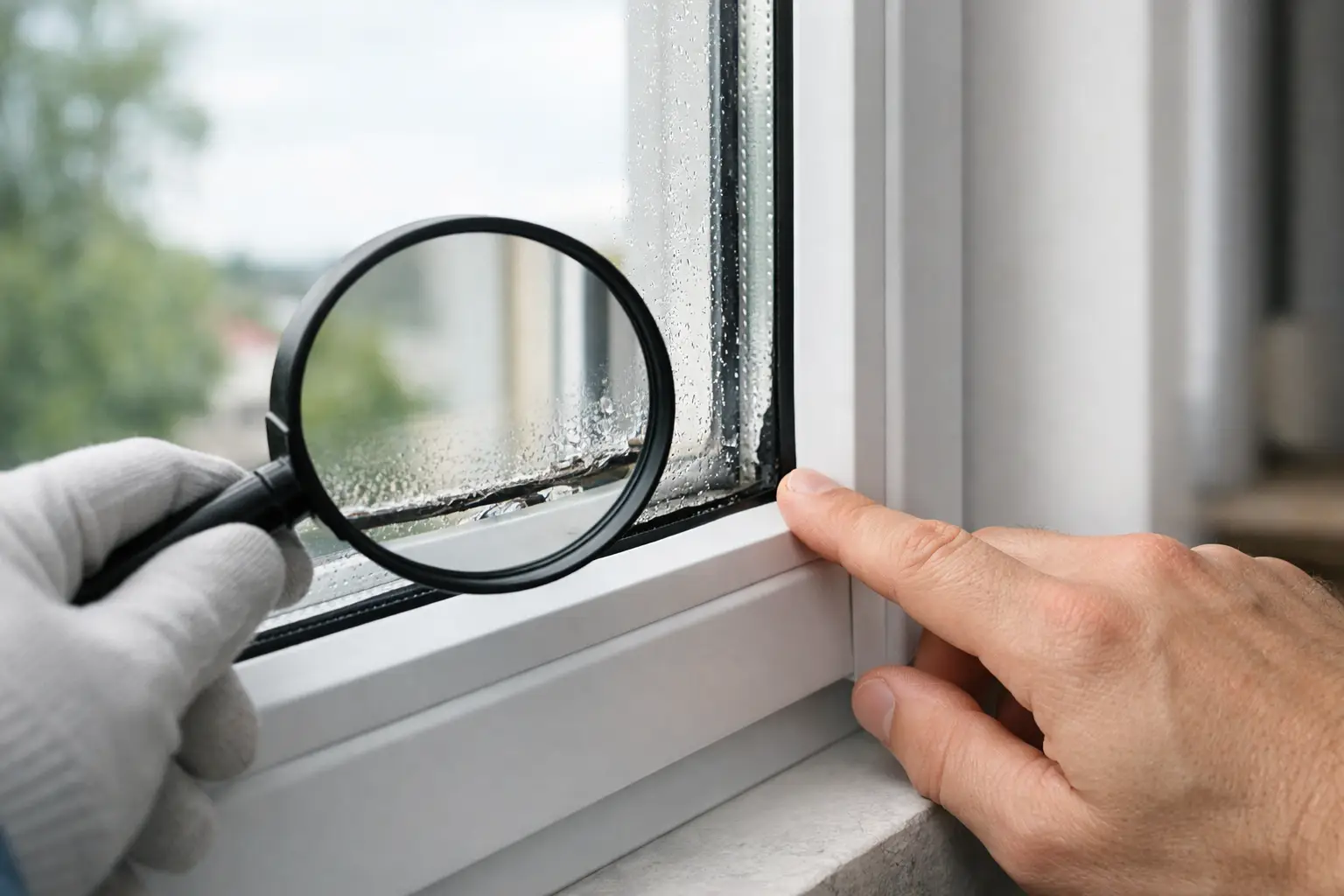
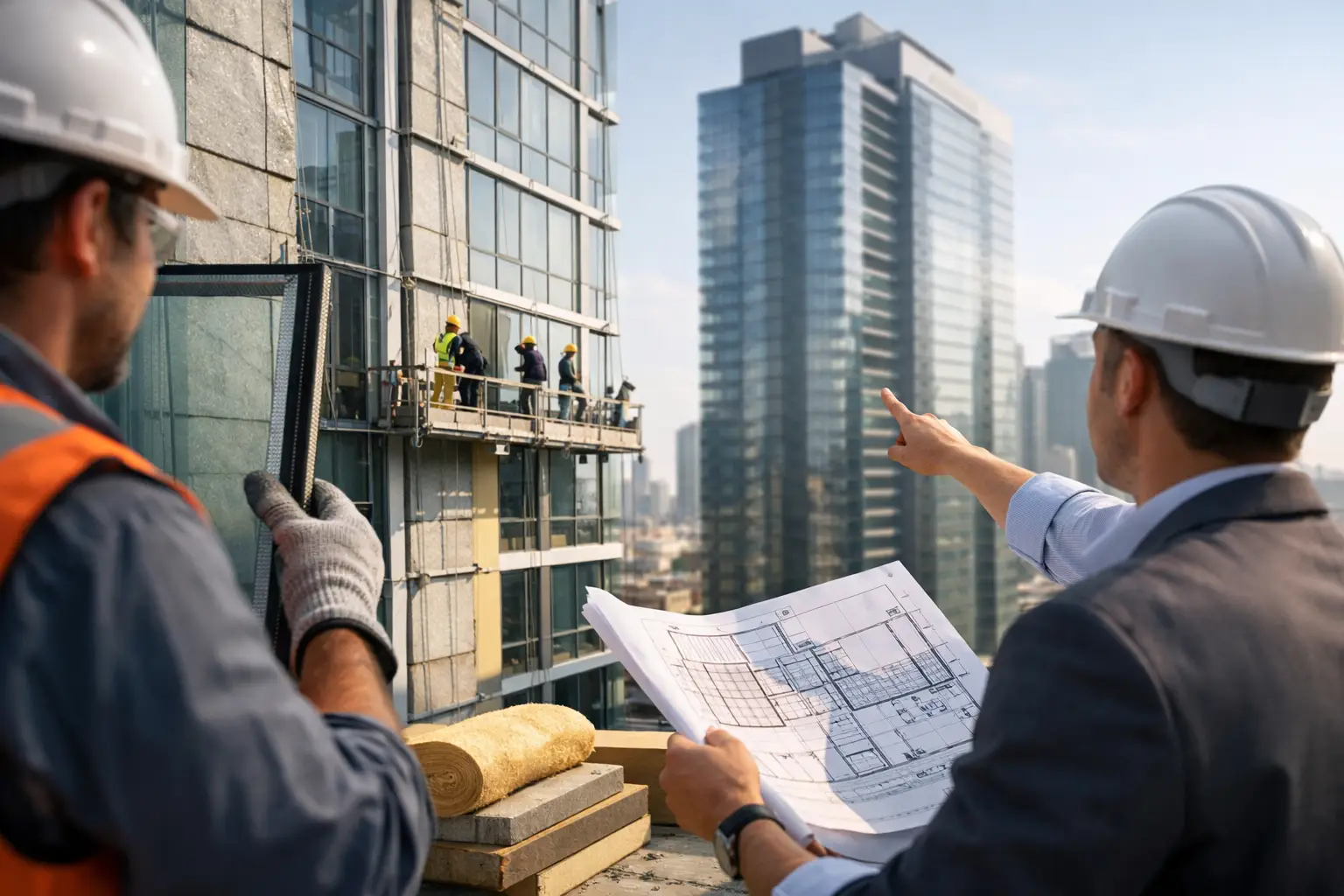
A reliable cleaning plan starts with inspection. Before any method is selected, the team should review material types, existing damage, staining patterns, sealant condition, water entry risks, and access constraints. Small test patches help confirm whether the proposed method will clean effectively without causing visual or physical damage.
It also helps to think beyond a one-time cleaning cycle. Buildings exposed to traffic emissions, coastal air, heavy rainfall, or shaded moisture-prone conditions may need a maintenance schedule that prevents buildup from becoming harder to remove. Regular cleaning is usually less invasive than waiting until contamination becomes severe.
The best long-term outcomes come from treating facade cleaning as part of asset preservation, not just appearance management. A well-maintained exterior supports tenant confidence, protects materials, and helps facility teams spot defects earlier.
If you are weighing cleaning options for a commercial or high-rise property, the right question is simple: what method cleans this facade thoroughly while preserving its materials and reducing future risk? That is the standard worth applying before any work begins.
Discuss the next step
For advice on facade cleaning methods, request a site assessment or quotation from Vertical Pro.
Where inspection or maintenance involves work at height, access planning should follow a documented risk-control process. DOSH Malaysia’s fall-prevention guidance is a useful reference for that planning.
Leave a Reply