

Good high rise building envelope upgrades planning is site-specific. It should reflect facade condition, recurring defects, weather exposure and safe access requirements.
High Rise Building Envelope Upgrades: What to Check on Site
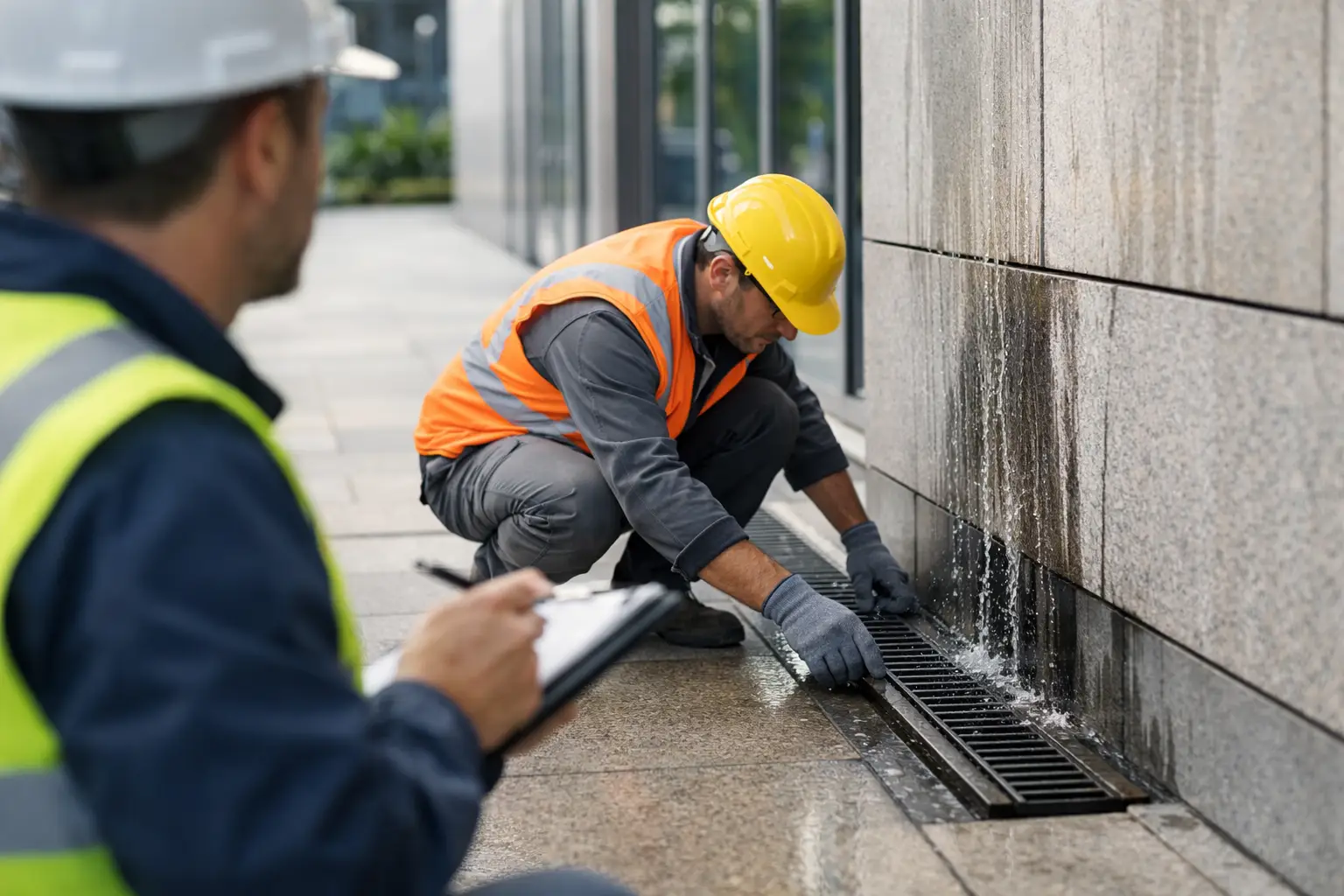
Document what can be seen from ground level, then confirm inaccessible areas with the appropriate close-access inspection before finalising the work scope.
A stained facade, recurring water marks around windows, or unexplained dampness in occupied spaces is rarely just a cosmetic issue. These are often early warnings that the building envelope is no longer managing water, heat, air, and movement as intended. The best building envelope upgrades address those risks at their source, protecting a high-rise asset while preserving its appearance, occupant comfort, and long-term serviceability.
For property managers and asset owners, the right upgrade is not necessarily the most visible one. It is the intervention that responds to verified conditions in the facade, roofing, glazing, joints, and drainage paths. In Malaysia’s hot, humid, high-rainfall environment, that requires a practical understanding of how exterior systems age under ultraviolet exposure, wind-driven rain, pollution, biological growth, and thermal movement.
Start With a Building Envelope Assessment
An envelope upgrade should begin with investigation, not assumptions. Water entering at a window may be caused by failed perimeter sealant, but it may also be linked to blocked drainage, cracked render, deteriorated waterproofing, displaced cladding, or an issue several floors above the visible stain.
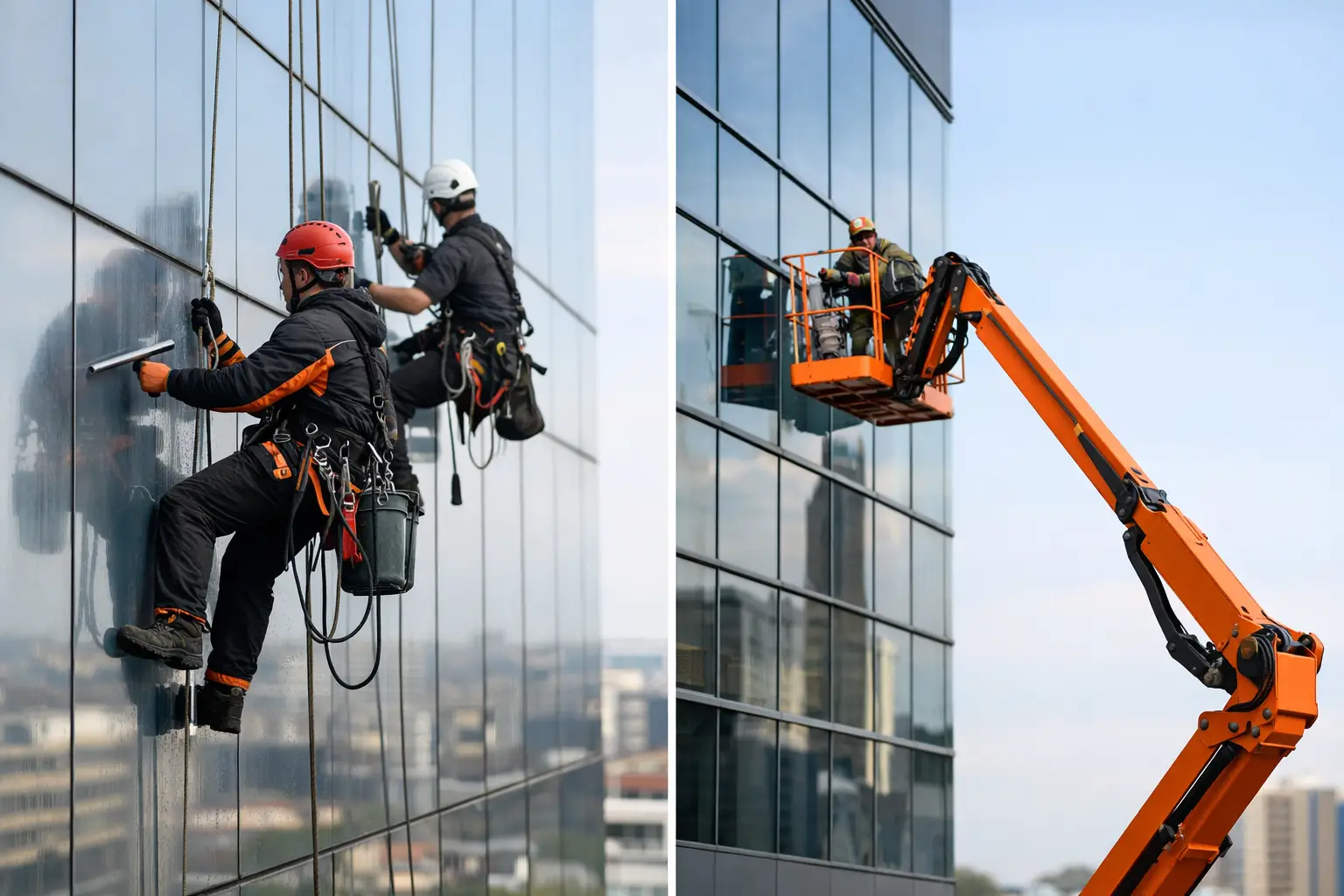
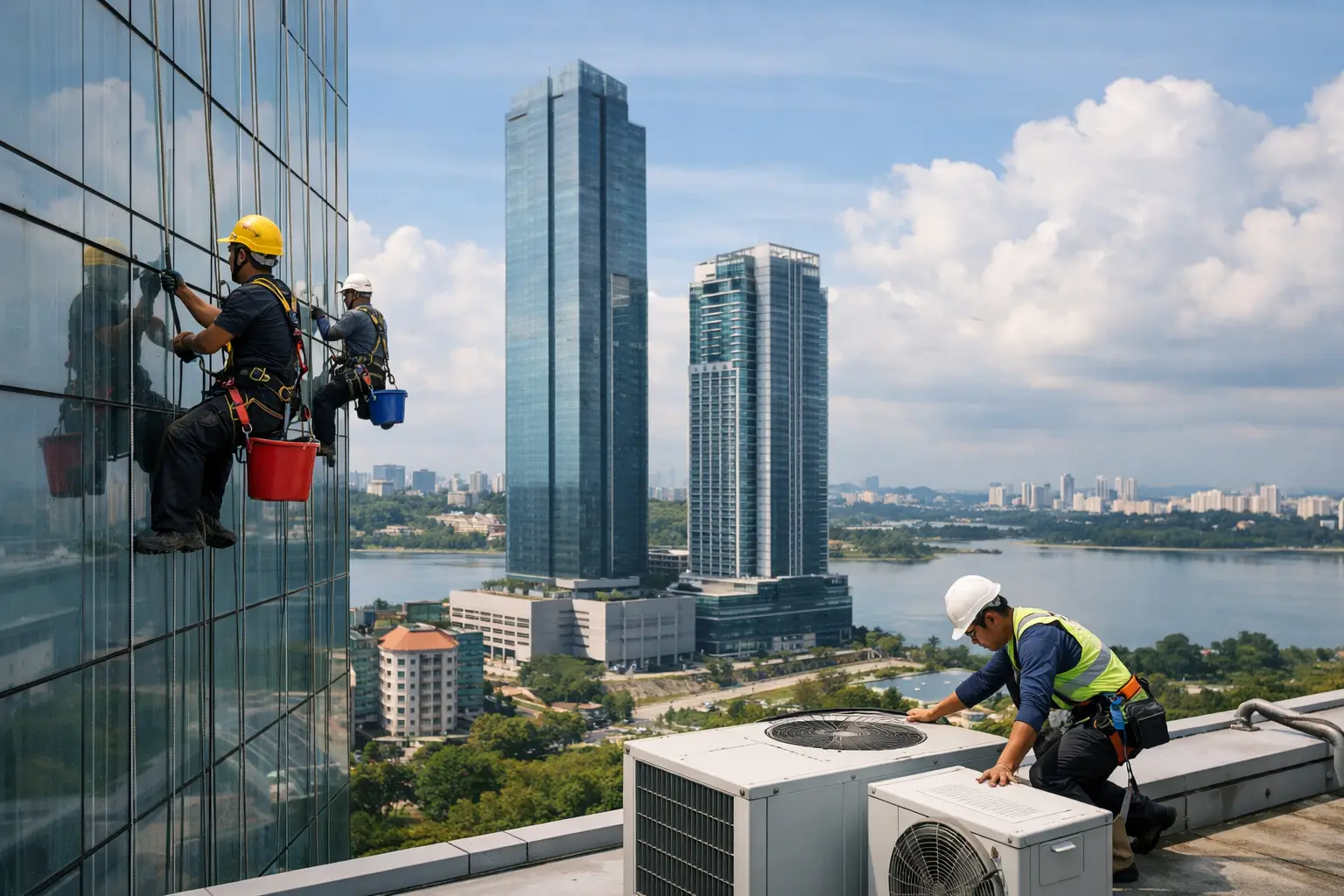
A professional assessment examines the facade as a connected system. This typically includes close visual inspection, review of joints and interfaces, checks around windows and penetrations, evaluation of facade finishes, and investigation of drainage details. For tall buildings, rope access can provide efficient, close-range access to difficult elevations without the disruption associated with full scaffolding.
The findings should help the management team separate urgent defects from planned renewal work. This matters because indiscriminate repairs can create inconsistent finishes, overlook hidden causes, and consume maintenance budgets without improving envelope performance.
1. Renew Failed Sealants and Movement Joints
Sealant renewal is among the most effective building envelope upgrades when joints have hardened, cracked, detached, or lost elasticity. Sealants around windows, curtain wall panels, precast elements, expansion joints, and service penetrations are designed to accommodate movement while preventing water intrusion.
Over time, ultraviolet exposure and repeated expansion and contraction reduce their effectiveness. In high-rise buildings, wind pressure and rain can force water through even small gaps, particularly on exposed elevations.
A proper renewal program involves more than applying new material over old sealant. Deteriorated sealant must be removed, joint edges prepared, backing material assessed, and a compatible sealant selected for the substrate and expected movement. The result is a more reliable weather barrier and a cleaner, more consistent facade appearance.
2. Repair Cracks Before Water Reaches the Substrate
Cracks in concrete, render, masonry, and coating systems should be assessed according to their cause, width, location, and behavior. Some are superficial shrinkage cracks. Others indicate movement, corrosion-related expansion, failed interfaces, or long-term weathering that can allow moisture to reach vulnerable materials behind the surface.
Targeted crack repair can prevent a small defect from becoming spalling concrete, corrosion of embedded reinforcement, or internal water damage. The repair method depends on the condition. Flexible systems may suit active movement areas, while structural or localized repairs may be required where the substrate has deteriorated.
The key is not to treat every crack as identical. A facade specialist should determine whether the repair needs to bridge movement, restore material integrity, or form part of a broader waterproofing strategy.
3. Restore Protective Facade Coatings
Exterior coatings do more than improve color and visual presentation. A compatible coating system can reduce moisture absorption, protect rendered or concrete surfaces from weathering, and help limit the accumulation of dirt and biological growth.
Coating restoration is particularly valuable where existing finishes are chalking, peeling, fading unevenly, or showing widespread hairline cracking. Before recoating, surfaces must be cleaned and prepared correctly. Applying a new coating over contaminated, damp, or unstable material can lead to early failure and trap problems beneath the finish.
The appropriate coating depends on the facade material and building exposure. Breathable systems may be necessary where moisture vapor needs to escape from the wall assembly. In other cases, stronger water-shedding performance is the priority. The right specification balances protection with the building’s existing construction and maintenance needs.
4. Upgrade Window Perimeters and Glazing Interfaces
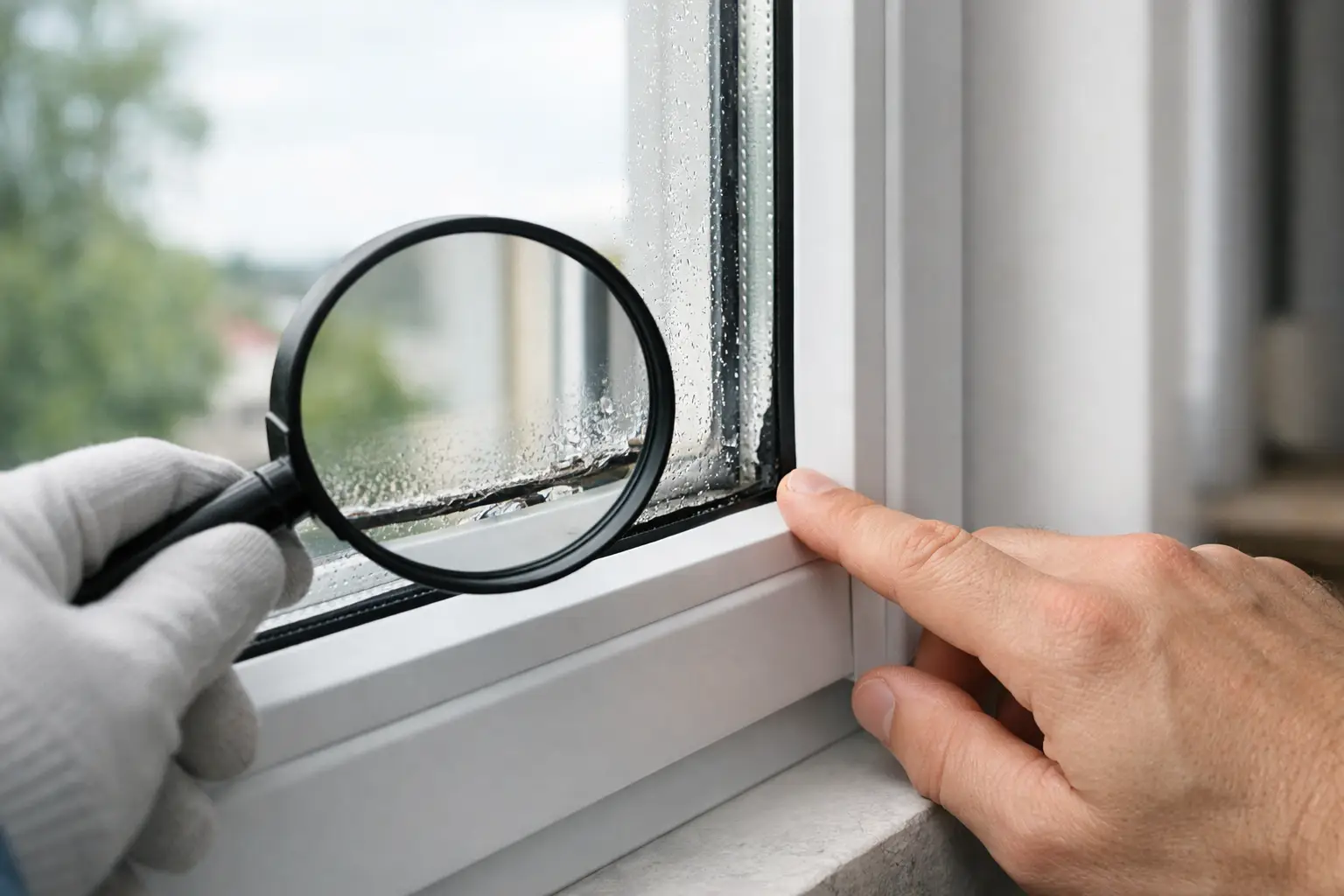
Windows are common weak points in the building envelope because they join different materials and must perform under movement, weather exposure, and pressure changes. Failed gaskets, aging perimeter sealants, loose trims, blocked weep paths, and poorly maintained glazing interfaces can all contribute to leaks.
An upgrade may involve renewing seals, repairing localized frame conditions, improving drainage paths, or replacing components that no longer maintain a dependable weather seal. Curtain wall systems require particular care because one visible leak may originate at a mullion, transom, panel joint, or drainage chamber some distance from where water appears indoors.
For occupied commercial and residential towers, planned window and glazing-interface maintenance can reduce disruptive leak complaints during heavy rain while supporting indoor comfort and tenant confidence.
5. Improve Roof, Parapet, and Drainage Transitions
The facade does not end at the top floor. Roof edges, parapets, flashings, gutters, and drainage outlets are critical envelope transitions. When these areas fail, water can travel behind facade materials and emerge far from the original entry point.
Parapet coping joints, roof-to-wall flashings, and overflow arrangements deserve close attention, especially after severe storms. Blocked outlets or poorly directed water can stain elevations, saturate wall finishes, and accelerate deterioration at lower levels.
Upgrades in these areas often deliver strong preventive value because they control water before it reaches more complex facade assemblies. They should be coordinated with roof maintenance rather than handled as isolated repairs.
6. Address Deteriorated Cladding and Fixings
Cladding systems add another layer of complexity. Panels, stone, tiles, aluminum composite materials, and architectural screens depend on secure fixings, sound backing materials, properly detailed joints, and effective drainage behind the outer surface.
Signs of concern include loose panels, staining at joints, open gaps, corrosion at visible components, cracked tiles, and localized distortion. These conditions can affect both weather protection and public safety. On high-rise properties, even a small loose component requires prompt assessment because of the potential risk to occupants and pedestrians below.
The best building envelope upgrades for cladding are often selective rather than wholesale. A detailed survey can identify whether the issue is limited to sealants, fixings, isolated panels, backing materials, or a wider system condition. This supports a repair scope that is proportionate to the risk.
7. Combine Cleaning With Preventive Maintenance
Facade cleaning is often treated as an appearance service, but it also supports building-envelope management. Removing pollution deposits, algae, mold, and accumulated dirt makes it easier to identify cracks, failed joints, staining patterns, and material deterioration that might otherwise remain concealed.
Regular cleaning should use methods suited to the facade material. Excessive pressure, incompatible chemicals, or poor runoff control can damage coatings, seals, stone, and surrounding elements. Professional access planning is equally important, particularly on occupied high-rises where work must be conducted safely and with minimal disruption.
A planned maintenance program can combine periodic cleaning, condition checks, and targeted repairs. This approach helps management teams act on early defects before they become more disruptive water-ingress or safety concerns.
How to Prioritize the Right Upgrade
Prioritization should be based on risk, not simply on what looks most worn. Water ingress affecting occupied areas, loose facade components, widespread failed joints, and defects near critical transitions should receive immediate attention. Cosmetic fading or localized staining may be scheduled alongside planned maintenance if the underlying protective system remains sound.
It also depends on the building’s age, construction type, exposure, and maintenance history. A coastal property, a tower beside heavy traffic, and a heritage facade will face different forms of deterioration and require different repair methods. Documentation from inspections, previous repairs, and recurring leak locations can help reveal patterns that guide better decisions.
For complex facades, a specialist partner such as Facade by Vertical Pro Sdn Bhd can help translate inspection findings into safe, practical work scopes for difficult-to-access areas. The goal is not to replace materials unnecessarily. It is to preserve performance, manage risk, and extend the useful life of the exterior systems already in place.
A well-maintained building envelope is quiet when it works properly: rain stays outside, finishes remain stable, occupants stay comfortable, and the property continues to present itself with confidence. That outcome starts with treating facade care as a planned asset-protection responsibility, not a response to the next visible leak.
Discuss the next step
For advice on high rise building envelope upgrades, request a site assessment or quotation from Vertical Pro.
The access method must be planned with the same care as the repair or cleaning method. DOSH Malaysia’s fall-prevention guidance sets out practical controls for preventing falls at work.
Leave a Reply