
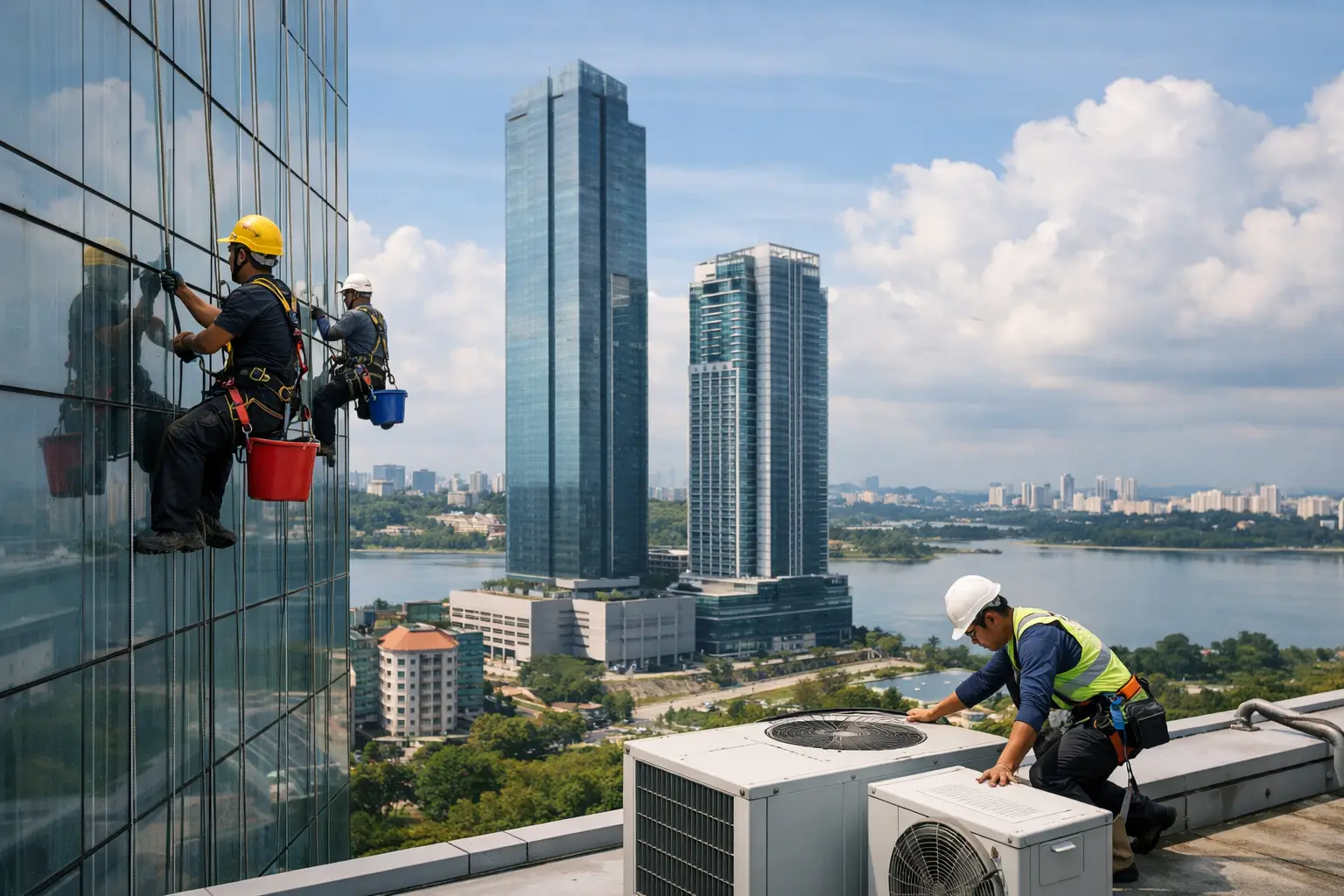
A small water stain below a window, a loose sealant joint, or algae spreading across a shaded wall can look like an isolated defect. On a high-rise building, it may be the first visible sign that moisture, movement, and weather exposure are affecting the exterior system. Johor building envelope maintenance gives asset owners and building managers a structured way to identify these issues before they spread into occupied spaces, disrupt operations, or compromise the building’s appearance.
Johor Building Envelope Maintenance: What to Check on Site
Set priorities by consequence. Loose material, active water entry and failed joints normally require attention before general appearance work.
The building envelope is more than the facade finish. It includes external walls, glazing, windows, sealants, expansion joints, cladding, roofs, waterproofing interfaces, and drainage details that separate the interior from the weather. In Johor’s hot, humid, and rain-intensive conditions, each of these elements must perform together. A well-maintained envelope protects both the asset and the people using it.
Why Johor’s Climate Accelerates Exterior Wear
Johor buildings face repeated cycles of intense rainfall, high humidity, strong sunlight, and airborne contaminants. These conditions place constant stress on facade materials and the joints between them. Water does not need a large opening to enter a building. It can travel through degraded sealant, cracked render, failed gaskets, blocked drainage paths, or poorly performing interfaces around windows and penetrations.
Humidity adds another layer of concern. Exterior surfaces that remain damp for extended periods can develop algae, mold, and staining. This is especially common on shaded elevations, areas below ledges, and surfaces where drainage is ineffective. Beyond visual deterioration, biological growth can retain moisture against the facade and make early signs of material damage harder to see.
Thermal movement also matters. Metal panels, glazing systems, sealants, and concrete expand and contract at different rates as surface temperatures change. Over time, this movement can fatigue joints and fixings. A maintenance plan should account for these predictable pressures instead of treating each defect as a one-off repair.
What Building Envelope Maintenance Should Cover
Effective maintenance begins with a clear understanding of the building’s facade systems, materials, age, exposure, and previous repair history. A glazed office tower requires different inspection priorities from a painted residential block, a stone-clad commercial property, or a heritage structure with older finishes.
For most mid-rise and high-rise properties, a professional program should assess the condition and performance of the following areas:
- Cladding panels, render, coatings, stone, tiles, and their visible fixings
- Curtain walls, windows, glazing gaskets, frames, and drainage channels
- Sealant joints around facade elements, movement joints, and service penetrations
- Roof-to-wall interfaces, parapets, balconies, ledges, and waterproofing terminations
- Signs of water ingress, corrosion, cracking, staining, loose materials, and biological growth
The goal is not merely to create a defect list. Building managers need to understand the likely cause, the risk of deferring action, the appropriate repair method, and how access can be managed safely. A crack may be cosmetic, for example, or it may signal substrate movement and allow water behind the finish. Diagnosis determines the right response.
Start With a Condition Assessment, Not a Cleaning Schedule
Cleaning is a valuable part of exterior care, but it should not be the only maintenance activity. A facade can appear clean while sealant joints are failing behind cover trims or while window drainage systems are obstructed. Conversely, stains may be caused by water runoff from a failed flashing rather than surface dirt alone.
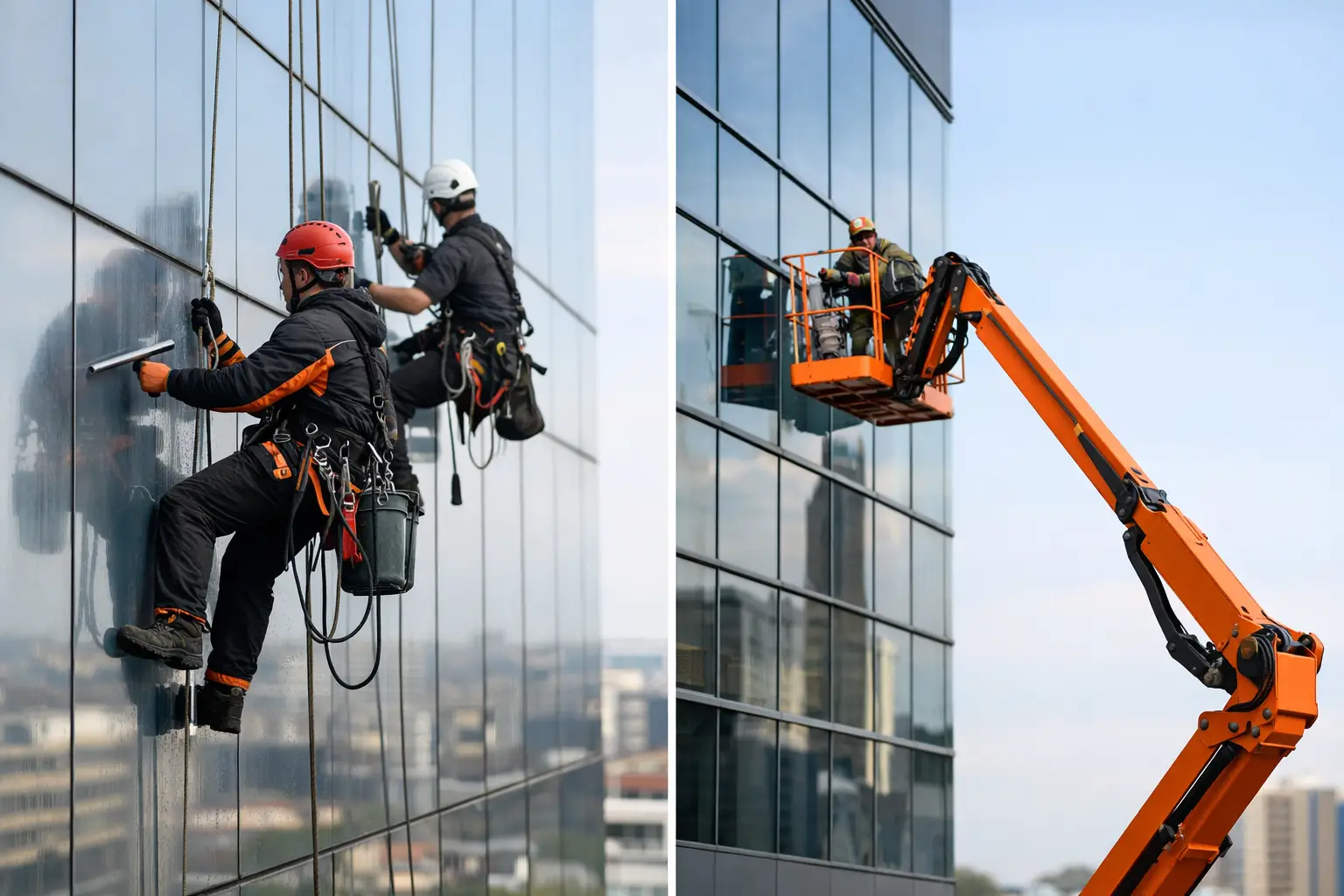
A condition assessment provides a reliable baseline. It typically combines visual inspection from accessible areas with close-range examination of elevated sections using suitable work-at-height methods. Rope access is often particularly effective for high-rise buildings because it allows technicians to inspect specific areas closely without the footprint and disruption associated with larger access systems. The best method depends on the building geometry, the scope of work, surrounding space, and operational constraints.
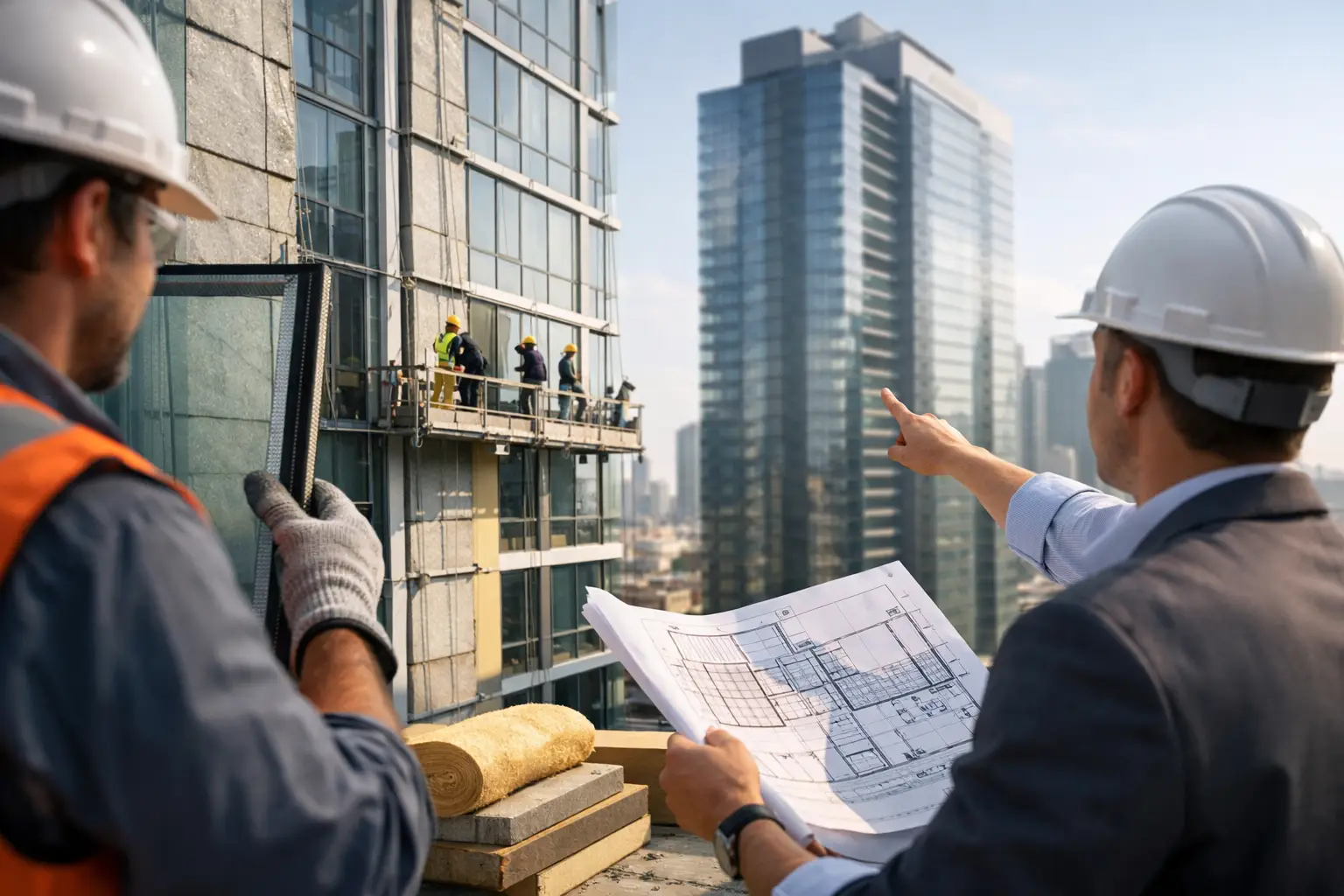
Inspection findings should be recorded by elevation and location. Clear photographs, defect descriptions, and repair priorities help building teams plan work logically. They also create a useful maintenance record when ownership teams change, tenant concerns arise, or recurring leaks need to be investigated.
Separate Urgent Risks From Planned Works
Not every exterior defect requires the same response time. Loose cladding, unstable facade components, exposed sharp edges, or active water ingress near electrical systems require prompt action. These are safety and operational concerns, not cosmetic issues.
Other findings can be addressed through planned maintenance. Localized coating deterioration, early sealant aging, moderate staining, or small areas of biological growth may not require emergency work, but they should not be ignored until the next major refurbishment. Timely localized repair is usually less disruptive than waiting for deterioration to affect a larger area.
This prioritization helps facility teams direct attention where it has the greatest protective value. It also prevents a reactive cycle in which maintenance only begins after tenants report leaks or visible facade defects become difficult to overlook.
Cleaning Protects More Than Visual Appearance
A clean facade supports tenant confidence, visitor perception, and the overall presentation of a commercial or residential property. Yet the operational value of cleaning goes beyond appearance. Controlled cleaning removes pollutants, dust, mineral deposits, and organic growth that can conceal defects or contribute to surface degradation.
The cleaning method must suit the material. High-pressure washing may be inappropriate for aging sealants, delicate coatings, loose tiles, or certain stone surfaces. Chemical selection, water pressure, dwell time, and rinse procedures should be assessed carefully to avoid etching, discoloration, residue, or water entry through vulnerable joints.
For buildings near busy roads, industrial activity, or coastal influences, cleaning frequency may need to be adjusted based on actual exposure rather than a fixed calendar. Northern and shaded elevations may also need more attention than areas that dry quickly after rainfall. A practical plan recognizes that every elevation experiences the environment differently.
Maintain Sealants and Drainage Before Leaks Escalate
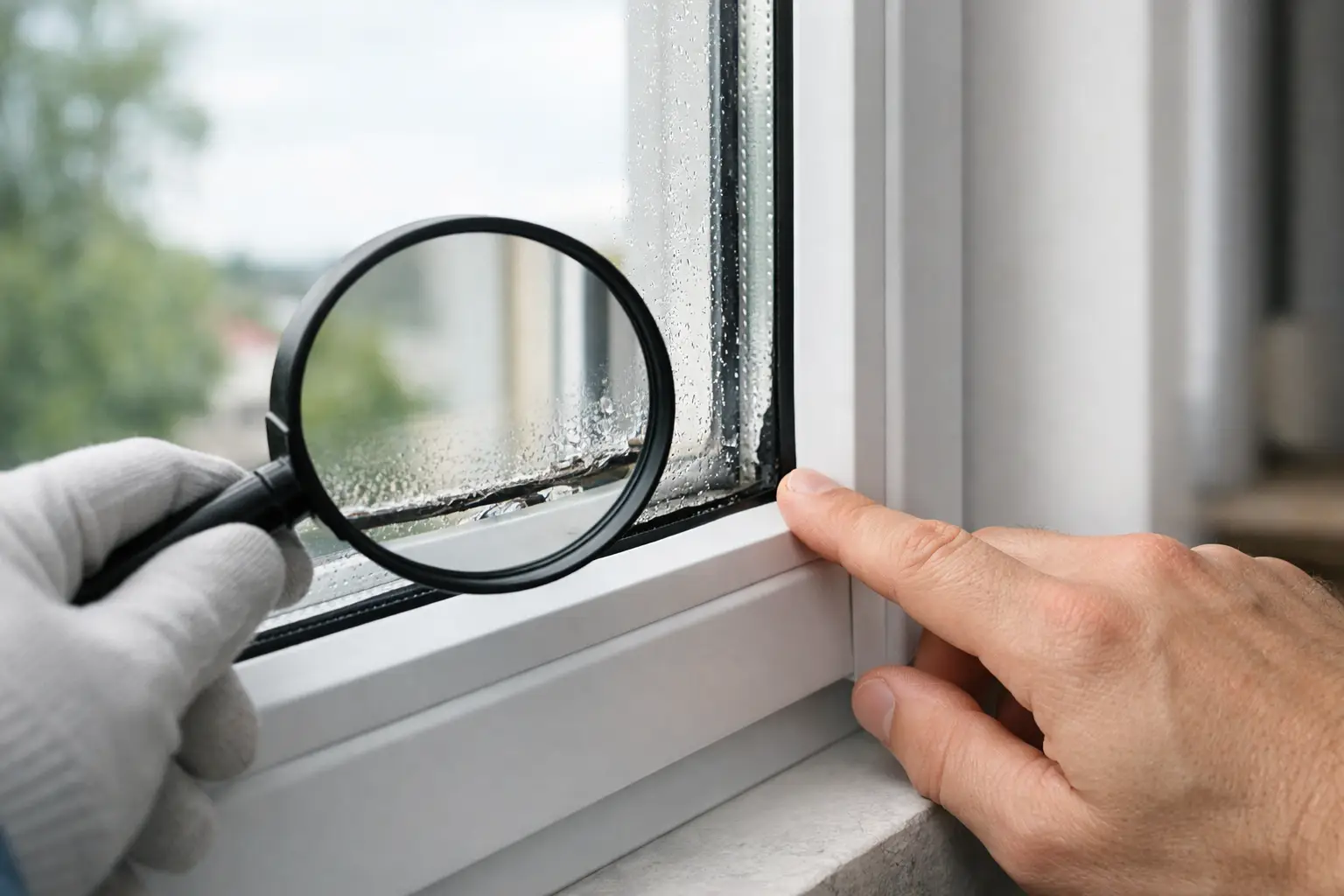
Sealants are often among the most overlooked elements in a building envelope. They are small compared with wall panels or glazing, but they perform a critical role at joints where different materials meet. As sealant ages, it can shrink, crack, lose adhesion, or become too rigid to accommodate movement.
Replacing failed sealant is not simply a matter of applying new material over an old joint. The existing sealant may need to be removed, joint surfaces prepared, backing materials checked, and the correct sealant type selected for the required movement and substrate compatibility. Poor preparation can cause a new joint to fail prematurely.
Drainage deserves the same attention. Window systems, balconies, ledges, and facade cavities are designed to manage water, not necessarily keep every drop from entering an outer layer. When weep holes, gutters, channels, or outlets become blocked, water can overflow into places where it was never intended to remain. Regular checks are a straightforward way to reduce this risk.
Make Access Safety Part of the Maintenance Plan
Exterior defects often occur in the hardest places to reach: above podium roofs, around setback levels, behind architectural features, and across upper elevations. Access planning should be considered before work begins, not after a defect has become urgent.
A qualified work-at-height team evaluates anchor arrangements, drop zones, weather conditions, rescue planning, public protection, and the condition of access equipment. Rope access can provide precise, efficient access for inspections, localized repairs, facade cleaning, and restoration work where appropriate. However, it is not automatically the right solution for every task. Larger repair areas, heavy materials, or complex replacement work may require suspended platforms, scaffolding, or other engineered access methods.
For property stakeholders, the priority is a method that protects workers, occupants, and the public while allowing the required work to be completed to the correct standard. The access method should support the repair strategy, not dictate it.
Build a Maintenance Cycle That Matches the Asset
There is no single inspection interval that suits every building in Johor. A newer tower with quality records and limited exposure may need a different level of intervention than an older property with recurring leaks, extensive facade staining, or multiple material types. The maintenance cycle should reflect condition, risk, warranty obligations, building use, and the consequences of failure.
As a practical approach, building teams should monitor visible exterior condition routinely, arrange periodic professional inspections, and schedule cleaning and minor repairs before wet-season exposure worsens known defects. After major storms or unusual water ingress reports, targeted checks can identify damage that may not be visible from ground level.
Documentation is central to this process. When inspections, cleaning records, repairs, and photographs are retained in one place, managers can identify repeat problem areas and make better decisions about restoration. It also provides evidence that exterior safety and asset care are being managed systematically.
A building envelope cannot be treated as a static finish applied at handover. It is an active protective system that needs informed attention throughout the life of the property. Early assessment, suitable access, material-appropriate cleaning, and timely repair give building teams greater control over risk while preserving the exterior standard tenants, residents, and visitors expect.
Discuss the next step
For advice on Johor building envelope maintenance, request a site assessment or quotation from Vertical Pro.
For work above ground level, the scope should include fall prevention and public protection—not only the technical task. See DOSH Malaysia’s fall-prevention guidance for the relevant safety framework.

Leave a Reply