

A joint sealant failure can begin as a narrow crack along a window frame, panel edge, or expansion joint. From the ground, it may look minor. At height, however, that opening can allow rainwater behind cladding, stain facade finishes, compromise interior walls, and create a larger maintenance issue. Knowing when should facade sealant be replaced helps building managers act before visible water damage becomes a costly disruption.
Facade sealant is not a permanent component. It is a flexible weatherproofing material designed to accommodate movement between facade elements while blocking water and air infiltration. Its service life depends on the sealant type, joint design, installation quality, facade exposure, and maintenance history. For high-rise properties, replacement decisions should be based on condition and performance, not a fixed calendar date alone.
What Facade Sealant Is Designed to Do
Sealant is commonly installed around windows, curtain wall systems, precast panels, aluminum composite panels, stone cladding, louvers, and movement joints. It creates a continuous barrier where different materials meet or where building components move at different rates.
A properly functioning joint must remain adhered to both sides of the joint, stretch and compress with thermal movement, and resist ultraviolet exposure, rain, humidity, and airborne pollutants. In Malaysia’s hot, wet climate, these demands are constant. Intense sun can harden exposed sealant, while repeated rain and humidity can expose even small adhesion failures.
When sealant loses flexibility or separates from the substrate, water can bypass the exterior surface. The resulting leak may appear far from the actual failed joint, which is why a professional facade assessment is often needed to identify the source accurately.
When Should Facade Sealant Be Replaced?
Facade sealant should be replaced when it no longer forms a flexible, fully bonded, weather-tight joint. This may happen at isolated locations or across a wider elevation. A building does not always require complete sealant replacement because one joint has failed, but scattered failures can indicate that the material is approaching the end of its useful service life.
Age is a useful starting point, not a final answer. Many high-performance facade sealants can last for years when specified and installed correctly. Yet harsh weather exposure, poor joint preparation, incompatible materials, excessive building movement, and previous patch repairs may shorten that period significantly. Sealant on west-facing or highly exposed elevations often deteriorates sooner than material in protected areas.
For this reason, building managers should include sealant condition in routine facade inspections. A condition survey can determine whether localized repairs remain practical or whether a planned replacement program is the better long-term approach.
Cracking, Splitting, and Surface Breakdown
Fine surface crazing may be an early sign of weathering, particularly on older sealant exposed to strong sunlight. More serious signs include deep cracks, splitting through the sealant bead, missing sections, or a brittle surface that breaks when gently tested by a qualified inspector.
Cracked sealant cannot reliably accommodate movement. During heat, rain, and structural movement, those cracks can widen and become direct pathways for water ingress. Replacing deteriorated material early is generally more controlled than responding after leaks have affected occupied spaces.
Adhesion Loss at the Joint Edges
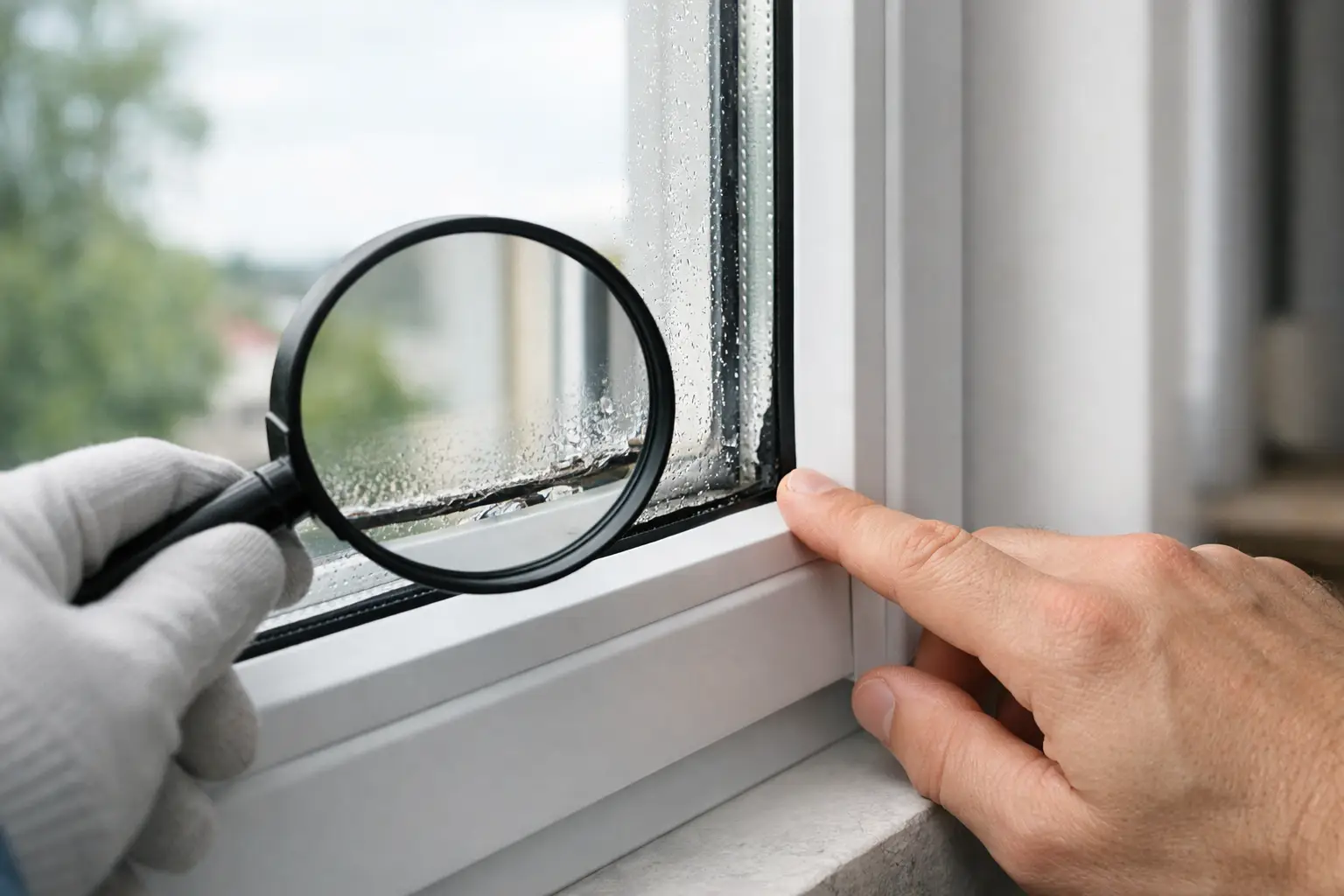
Adhesion failure occurs when sealant pulls away from one or both sides of the joint. It may show up as a visible gap at a window perimeter or panel edge. In some cases, the sealant bead appears intact but has detached beneath the surface.
This is one of the clearest reasons for replacement. Applying fresh sealant over an unprepared failed joint rarely solves the underlying problem. The existing material must be removed, the joint substrates cleaned and assessed, and the correct primer or bond-breaker detail used where required.
Sealant Has Become Hard, Shrunken, or Distorted
Flexible sealant should not look excessively shrunken, rigid, or pulled tightly across the joint. Loss of elasticity reduces its ability to accommodate normal facade movement. This can cause cohesive tearing within the bead or separation at the edges.
Bulging, sagging, or uneven sealant may also point to installation issues, inadequate joint depth control, or unsuitable material selection. These conditions warrant investigation even where water leakage has not yet been reported.
Water Stains, Leaks, and Interior Moisture
Water staining around windows, damp patches on interior finishes, mold growth, or recurring leaks after heavy rain should trigger a facade investigation. Sealant failure is a common cause, but it is not the only possible source. Defective flashings, drainage paths, glazing gaskets, cracks in adjacent finishes, and roof interfaces can produce similar symptoms.
A reliable diagnosis matters. Replacing sealant without identifying the complete water path can leave the building vulnerable to repeat leaks. Testing methods and close-up inspections allow specialists to separate a failed joint from a broader facade or waterproofing issue.
Why Visual Checks From the Ground Are Not Enough
Ground-level observations can reveal obvious discoloration or large joint gaps, but they rarely show the full condition of a high-rise facade. Sealant defects are often small, concealed by facade geometry, or located in areas that are difficult to see from below.
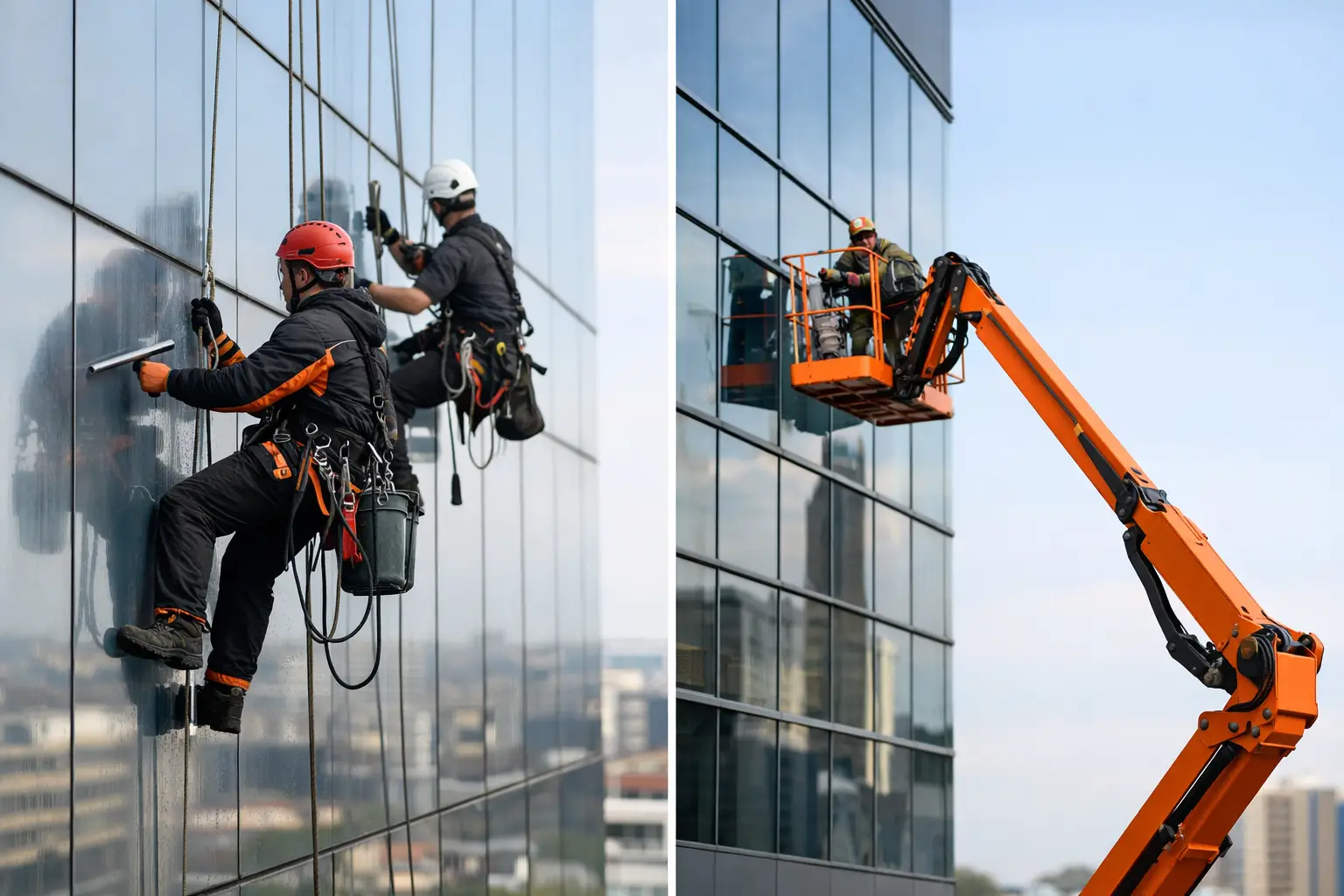
Rope access enables close inspection of joints around windows, facade transitions, parapets, and elevated architectural features without relying on broad assumptions. It also allows technicians to assess the continuity of previous repairs, substrate condition, and the extent of deterioration across different elevations.
For property teams, this approach supports a more defensible maintenance decision. Instead of reacting to isolated tenant complaints, managers can prioritize work based on actual risk, exposure, and defect patterns.
Repair or Full Replacement: Choosing the Right Scope
Localized repair is appropriate when failures are limited, the surrounding sealant remains elastic and well bonded, and the original joint design is performing as intended. This option can address accidental damage, isolated adhesion loss, or deterioration concentrated on a particularly exposed area.
A broader replacement program is more suitable when failures appear repeatedly across several elevations, the sealant has hardened throughout the building, or patch repairs have become frequent. Widespread replacement also creates an opportunity to correct recurring detailing problems, such as improper joint dimensions or incompatible materials.
The trade-off is operational planning. Larger programs require careful access sequencing, tenant communication, weather monitoring, and quality control. For occupied commercial and residential towers, phased work can reduce disruption while ensuring the facade remains protected throughout the project.
What Proper Sealant Replacement Involves
Sealant replacement is not simply applying a new bead over an old one. The existing sealant must be cut out without damaging adjacent facade surfaces. Joint edges need to be cleaned, sound substrates verified, and any failed backer rod or joint filler addressed.
The replacement material must suit the facade substrate, expected joint movement, exposure conditions, and surrounding finishes. Correct joint geometry is equally important. Backer rod placement controls sealant depth and helps create the intended hourglass profile, allowing the sealant to move effectively without bonding to the back of the joint.
Quality workmanship includes checking adhesion, maintaining clean joint lines, protecting nearby finishes, and inspecting completed areas before access equipment is removed. On high-rise buildings, safety planning and controlled rope access are essential parts of the work, not secondary considerations.
Build Sealant Inspections Into Facade Maintenance
The most effective time to identify sealant deterioration is before a major leak occurs. Periodic facade inspections should pay particular attention to exposed elevations, window perimeters, movement joints, transitions between dissimilar materials, and locations with a history of water ingress.
Inspections after severe weather, facade cleaning work, renovation activity, or reports of interior dampness can also reveal emerging defects. Recording joint conditions over time gives asset managers useful evidence for maintenance planning and helps distinguish isolated damage from progressive system-wide aging.
Facade by Vertical Pro approaches sealant concerns as part of the building envelope, not as a standalone cosmetic repair. That perspective helps ensure the condition of surrounding cladding, glazing interfaces, and access requirements is considered before work begins.
A sealant joint rarely announces its failure at a convenient time. A disciplined inspection program, followed by timely and properly specified replacement, keeps small openings from becoming persistent water problems and protects the facade performance that tenants, visitors, and owners depend on.
Sealant decision checklist
- Confirm whether failure is isolated or repeated across an elevation.
- Check adhesion at both joint edges, not only the visible surface.
- Review joint width, depth, movement and backing material.
- Identify water paths before assuming the sealant is the only cause.
- Prepare and test a representative replacement area.
Frequently asked questions
Can new sealant be applied over old sealant?
A durable replacement normally requires removal of failed material and proper joint preparation. Applying a surface layer may hide poor adhesion without correcting it.
Does every leak mean the window sealant has failed?
No. Water may enter through glazing interfaces, flashings, cracks, drainage paths or adjacent cladding. Diagnosis should precede replacement.
Arrange a sealant inspection
Read about facade sealant systems or request a building-envelope assessment from Vertical Pro.
Weather exposure should be considered when reading stains, leaks and coating failure. METMalaysia’s explanation of Malaysia’s climate describes the humidity and rainfall patterns behind much of that exposure.



Leave a Reply