
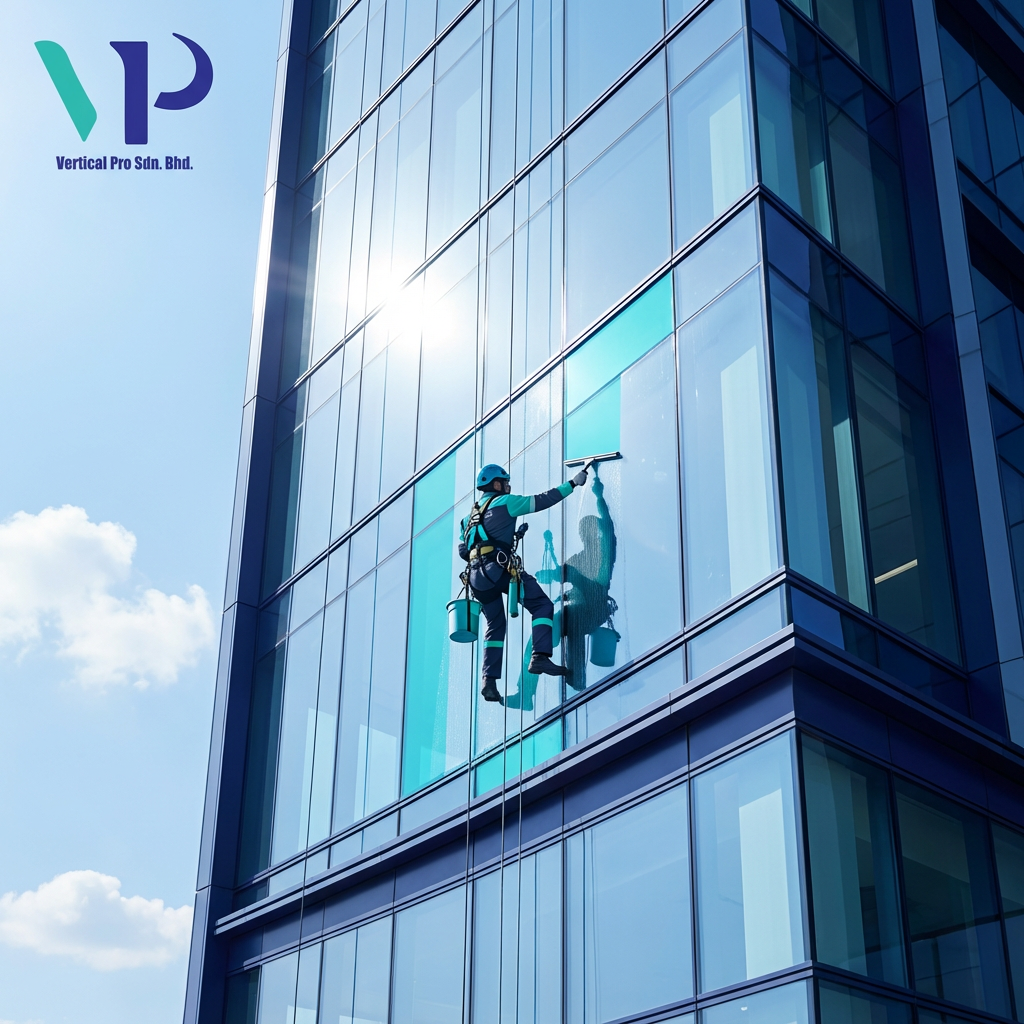
A stained curtain wall, a loose sealant joint, or a hairline crack near a parapet rarely stays minor for long in a tropical urban environment. A proper facade maintenance checklist helps building owners and managers catch these issues early, reduce safety risk, and protect the long-term performance of the exterior envelope before small defects become expensive repair work.
For commercial towers, residential developments, and heritage properties, facade maintenance is not just a cleaning issue. The facade is a working system exposed to rain, heat, UV, wind, humidity, airborne pollutants, and movement over time. When maintenance is inconsistent, the visible problem is often only part of the story. Water ingress, material failure, corrosion, and falling hazards can develop behind the surface.
What a facade maintenance checklist should actually do
A useful checklist is not just a list of defects to look for during a site walk. It should help your team answer three practical questions. What condition is the facade in now, what risks are developing, and what action should be scheduled next?
That means the checklist must support routine observation, planned inspection, and maintenance decision-making. For a low-rise property, the process may be relatively straightforward. For a high-rise or architecturally complex building, access strategy matters just as much as the defect itself. If an issue cannot be safely reached, properly assessed, or documented, it cannot be managed well.
Core areas in a facade maintenance checklist
Every building has its own facade system, exposure level, and maintenance history, but most checklists should cover the same core categories.
Surface condition and cleanliness
Start with the most visible indicators. Look for dirt buildup, algae or fungal growth, staining, efflorescence, rust marks, and discoloration. In Malaysia’s humid and polluted environments, facade soiling is not only cosmetic. It can trap moisture, mask cracks, and accelerate material deterioration.
The right response depends on the facade material. Glass, aluminum, stone, render, painted finishes, terracotta, and metal cladding all age differently and require different cleaning methods. Aggressive cleaning can damage coatings or sealants, while delayed cleaning can allow deposits to become harder to remove. The checklist should record where contamination is occurring and whether the pattern suggests runoff, leakage, poor drainage, or environmental exposure.
Cracks, spalling, and material deterioration
Cracks deserve close attention, but context matters. A superficial hairline crack in a rendered wall is different from progressive cracking around movement joints, slab edges, or window perimeters. Your checklist should note crack location, approximate width, direction, and whether there are signs of moisture entry or expansion.
Spalling concrete, loose render, failed coatings, and detached facade elements should be treated with urgency because they can quickly become safety hazards. Even when the defect appears localized, the cause may be broader. Water ingress, reinforcement corrosion, thermal movement, and poor previous repairs often show up as repeating defects across elevations.
Sealants, joints, and weatherproofing
Sealant failure is one of the most common entry points for moisture. Check perimeter sealants around glazing, movement joints, panel joints, and penetrations. Hardened sealant, gaps, splitting, loss of adhesion, and uneven patch repairs are all signs that the weather barrier may be compromised.
This part of the facade maintenance checklist is especially important after years of sun exposure and heavy rain cycles. Failed sealants can lead to internal leaks, staining, corrosion of embedded elements, and deterioration of adjacent finishes. If the building has undergone piecemeal repairs over time, joint consistency should also be reviewed because mixed materials do not always perform well together.
Glazing, frames, and cladding attachments
For curtain wall and window systems, inspect glass condition, gaskets, framing, drainage paths, and visible fixings. Clouding, chipped edges, displaced gaskets, corroded components, and blocked weep holes can all point to deeper performance issues.
Cladding systems require another level of attention because the visible panel is only part of the assembly. Loose panels, distorted sections, rattling components, staining around anchors, and movement at connection points should be documented carefully. On high-rise buildings, these checks should never rely on ground observation alone when the facade system includes concealed fixings or difficult access zones.
Water management points
Many facade defects are really drainage defects in disguise. The checklist should include parapets, copings, ledges, drip edges, balconies, canopies, podium transitions, and interfaces between facade materials. Water that is not directed away properly tends to reappear as staining, blistering paint, mold growth, or internal complaints from occupants.
It is worth checking whether water marks align with architectural features or mechanical penetrations. That often reveals whether the source is facade leakage, rain splashback, condensate discharge, or blocked drainage.
Inspection frequency depends on risk, not habit
One of the most common mistakes in facade care is setting inspection frequency based only on budget cycles or annual routine. A better approach is to match the inspection schedule to building height, age, exposure, facade type, occupancy profile, and known defect history.
A newly completed building with stable facade systems may only need routine observation and scheduled professional review. An older high-rise with recurring leaks, heavy pollution exposure, or visible material aging needs more frequent and more detailed inspections. Buildings in coastal or dense urban environments often deteriorate faster because of salt, moisture, and airborne contaminants.
In practice, there is a difference between frequent visual checks and formal facade inspections. Visual checks help identify obvious changes early. Formal inspections provide the technical basis for maintenance planning, repair scopes, and safety decisions.
Access planning is part of the checklist
A facade issue that cannot be inspected closely is still an unresolved risk. That is why access should not be treated as a separate operational matter after defects are found. It belongs inside the maintenance planning process from the start.
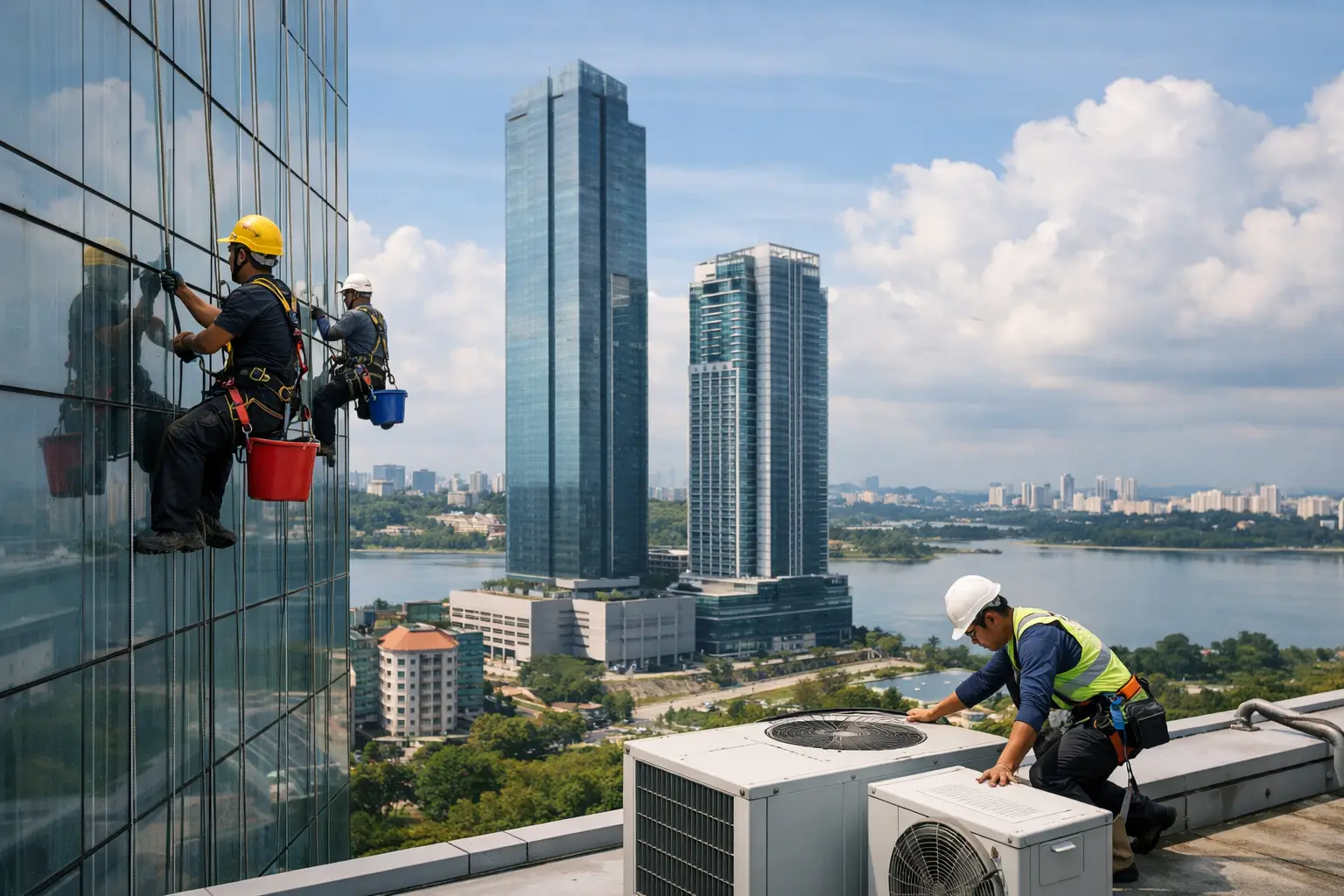
For taller buildings, access may involve rope access, gondolas, boom lifts, or temporary platforms depending on the facade design and site constraints. The best method depends on reach, safety, disruption, inspection detail required, and cost efficiency. Rope access is often the most practical option for targeted inspection and repair in difficult areas, especially where ground-based equipment cannot reach or where building operations need minimal interruption.
This is one area where specialist capability matters. A facade checklist is only useful when the building team can convert observations into safe, actionable work.
How to use the facade maintenance checklist for planning
The checklist should lead to prioritization, not just record keeping. Once defects are documented, sort findings into three categories: immediate safety concerns, short-term maintenance needs, and longer-term capital planning items.
Immediate concerns include loose materials, active water ingress affecting occupied space, and components at risk of detachment. Short-term needs may include failed sealants, localized cracks, biological growth, blocked drainage paths, or surface cleaning that is beginning to affect appearance and material life. Longer-term items usually involve coating renewal, larger restoration works, facade upgrading, or systematic replacement of aging joint systems.
This approach helps avoid two costly extremes. The first is overreacting to cosmetic issues without understanding root cause. The second is underestimating recurring minor defects until they require major restoration.
Common signs your current process is falling short
If facade maintenance is largely reactive, the same problems tend to return. You may notice repeat staining in the same zones, leak complaints during heavy rain, inconsistent patch repairs, or a widening gap between cleaning work and actual envelope performance.
Another warning sign is poor documentation. If the team cannot easily track defect location, progression, previous repairs, and access history, maintenance decisions become slower and less accurate. For buildings with multiple stakeholders, that lack of clarity often delays approvals and increases long-term cost.
A dependable process should create a visible record of facade condition over time. That record supports budgeting, contractor coordination, safety management, and asset protection.
Why professional facade review adds value
A checklist is essential, but not every issue can be judged accurately from routine observation alone. Some symptoms that appear minor on the surface point to deeper system failure, while some dramatic-looking stains may be relatively manageable once the source is identified.
Professional facade specialists bring technical assessment, material understanding, and access capability together. That combination is especially valuable for high-rise properties, mixed-material facades, and buildings where appearance, public safety, and occupancy continuity all matter at once. Facade by Vertical Pro works in exactly this space, where maintenance decisions need to balance safety, efficiency, and long-term building performance.
For property owners and managers, the goal is not to create a longer checklist. It is to create a smarter one – one that reflects the way facades actually age, the way risks develop, and the way high-rise maintenance needs to be executed. When your checklist supports timely inspection, safe access, and informed repair planning, facade care becomes far more predictable, and that is what protects both building value and operational confidence over time.
Discuss the next step
For advice on facade maintenance checklist, request a site assessment or quotation from Vertical Pro.
Facade work should not begin until access, exclusion zones, supervision and rescue arrangements are clear. These controls are covered in DOSH Malaysia’s fall-prevention guidance.




Leave a Reply