
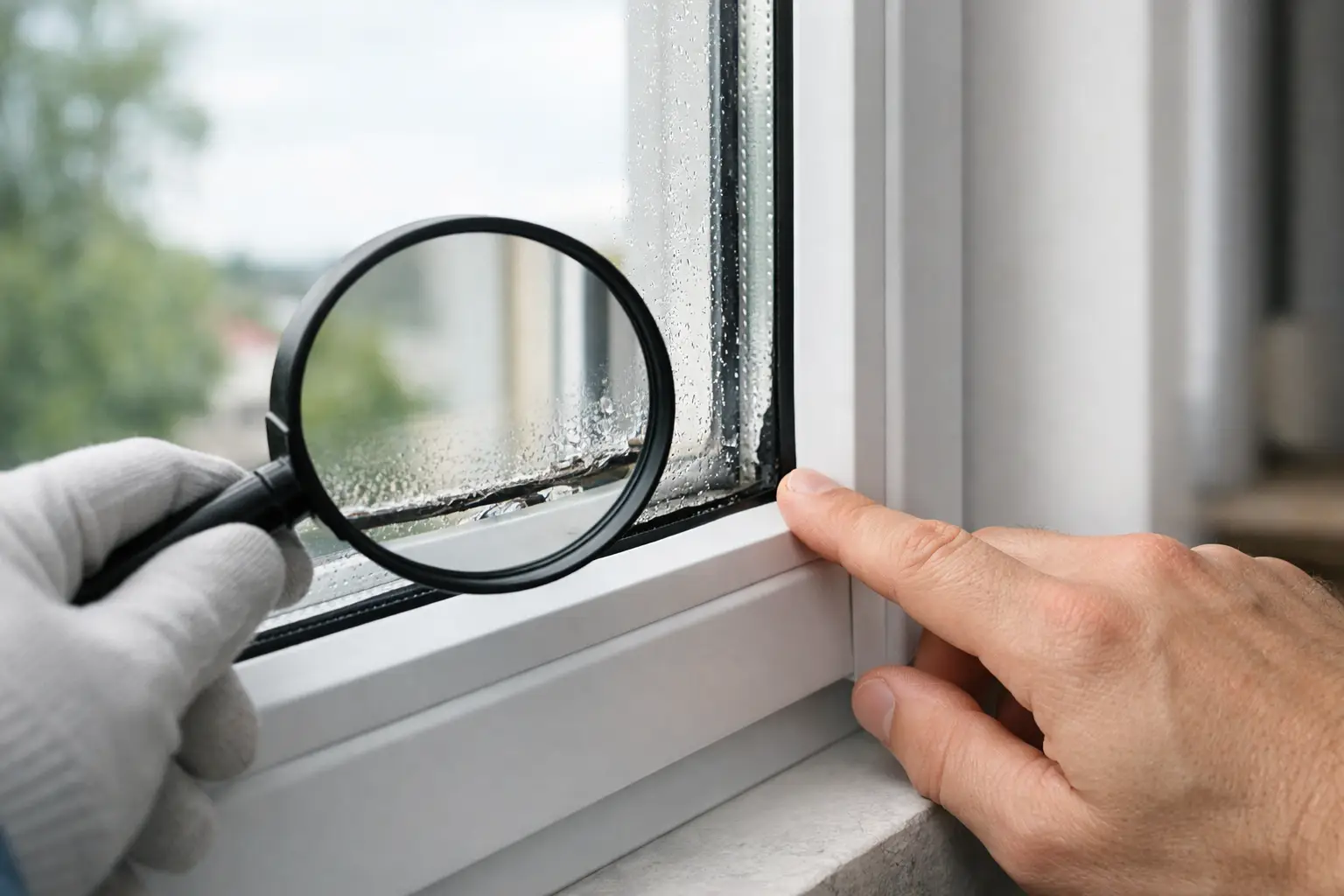
A stained interior wall beside a window is rarely just a cleaning issue. On a high-rise building, it can be the visible result of a failed joint that has allowed water to travel behind cladding, glazing, or exterior panels. Properly specified and maintained facade sealant systems are a first line of defense against this kind of moisture entry, particularly in Malaysia’s frequent rain, high humidity, intense UV exposure, and year-round temperature changes.
For property owners and facility teams, sealants are easy to overlook because they occupy narrow joints rather than large visible surfaces. Yet their condition has a direct effect on water resistance, facade appearance, occupant comfort, and the durability of materials behind the exterior finish. Treating sealant work as a planned facade maintenance task, rather than a response to a leak, helps protect the building as an operating asset.
What Facade Sealant Systems Are Designed to Do
A facade sealant system is more than a bead of material applied around a window or between panels. It is a coordinated joint assembly that typically includes the sealant, joint dimensions, backing material, bond surfaces, primers where required, and the design of the adjoining facade components.
Its primary purpose is to prevent uncontrolled water and air penetration while allowing building elements to move. Curtain walls, precast concrete panels, aluminum frames, glass, masonry, and metal cladding all expand, contract, deflect, and settle differently. A joint must remain bonded and flexible through that movement. If it is too rigid, poorly adhered, or incorrectly shaped, it may crack, tear, or pull away from the substrate.
This is why a sealant that appears intact from ground level may not be performing as intended. Surface discoloration, loss of elasticity, edge separation, pinholes, and open joints can all signal that the weather seal has reached the end of its serviceable condition.
Where Sealant Failures Commonly Begin
Sealant problems often develop at transitions, not on broad uninterrupted elevations. Window perimeters, curtain wall joints, expansion joints, panel interfaces, parapets, roof-to-wall junctions, louvers, and penetrations for services all require careful detailing. These areas experience concentrated movement and repeated exposure to water.
In tropical urban environments, UV radiation can gradually degrade exposed sealant surfaces, while wind-driven rain tests every weak point in the joint. Pollution deposits and biological growth may also conceal early deterioration. On buildings near busy roads or coastal areas, contaminants and salt-laden air can add to the maintenance burden.
Application quality is another major factor. Sealant requires clean, dry, properly prepared surfaces to achieve dependable adhesion. Installing material over dust, old degraded residue, damp substrates, or incompatible coatings may create a joint that looks acceptable initially but fails prematurely. Incorrect joint depth can cause the same problem. Without the right backing material and geometry, the sealant may be forced to stretch in ways it was not designed to handle.
Choosing the Right Sealant Is a System Decision
There is no universal sealant for every facade joint. Silicone, polyurethane, hybrid, and other specialist products have different movement capabilities, adhesion characteristics, weathering performance, staining risks, and compatibility requirements. The appropriate selection depends on the facade material, joint design, exposure conditions, expected movement, and the surrounding finishes.
For example, a glazed curtain wall joint may call for a different solution than a joint between precast concrete panels. Natural stone and porous finishes require particular care because some sealants can cause staining or visual changes. Similarly, a replacement product should never be selected solely because it is readily available or appears similar in color to the existing joint.
Compatibility deserves close attention. Adjacent coatings, gaskets, membranes, insulation components, and cleaning chemicals can affect sealant performance. A technically sound scope considers the entire assembly, including whether old sealant must be fully removed and whether a primer is needed to support adhesion.
Movement capability matters
Every facade moves, but not every joint moves by the same amount. Thermal expansion in aluminum framing, structural movement in concrete, wind-related deflection, and differential movement between materials all place stress on perimeter and panel joints. A sealant must be selected and installed to accommodate anticipated movement without losing adhesion or cohesion.
This is also why joint geometry cannot be treated as a minor detail. A correctly sized joint with an appropriate backer rod allows the sealant to flex in a controlled way. A joint that is too deep, too shallow, or bonded on three sides may restrict movement and increase the likelihood of failure.
A Practical Process for Sealant Assessment
Before specifying repairs, building teams should understand the condition and pattern of deterioration across the facade. A single recurring leak does not always mean every joint requires replacement. Equally, treating only the visibly damaged area may be insufficient if the same material and installation condition exist across multiple elevations.
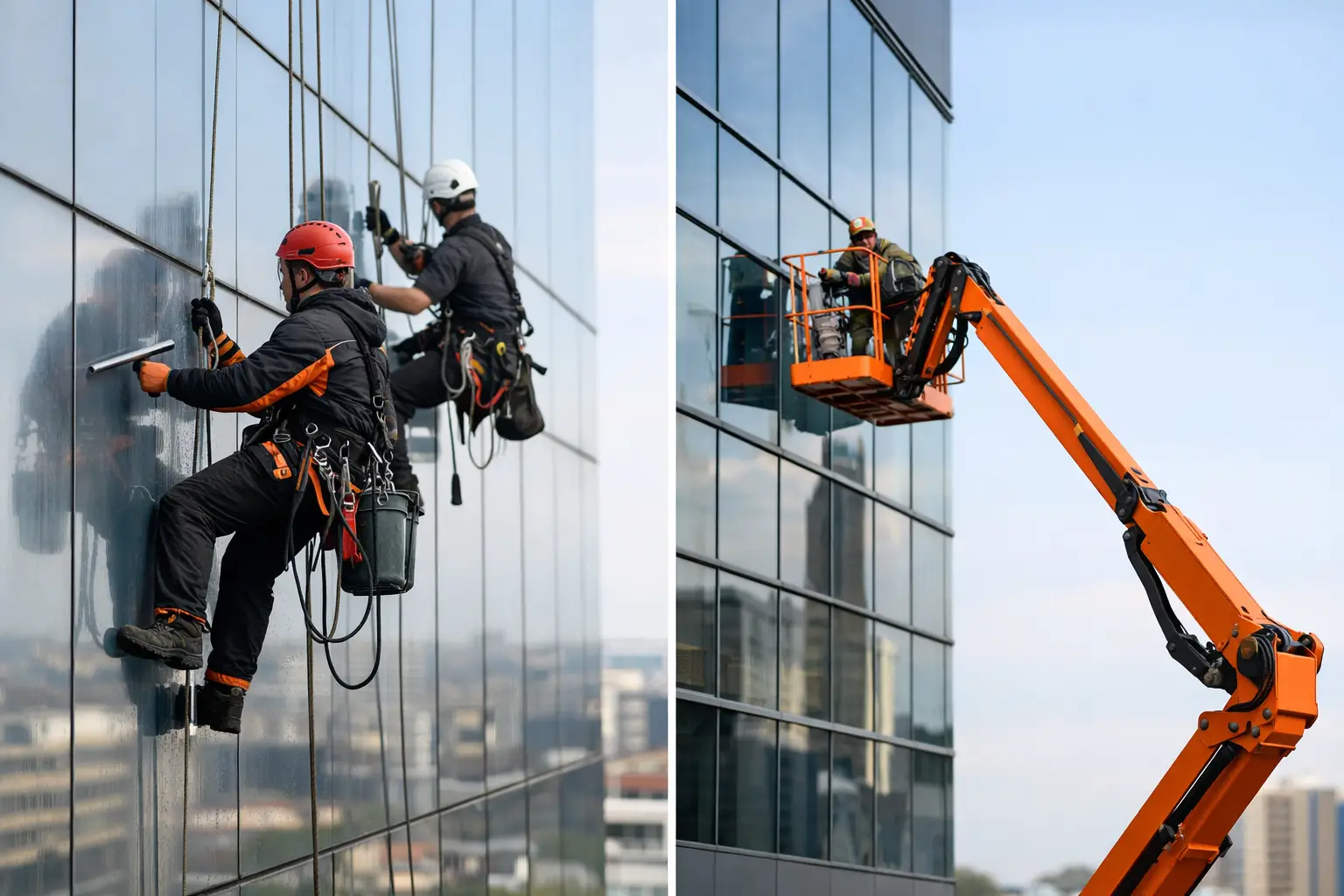
A professional assessment normally begins with a visual survey of accessible areas, followed by close-up inspection at representative zones. On mid-rise and high-rise properties, rope access can provide direct, efficient access to joints that cannot be accurately assessed from the ground. Inspectors can check adhesion, joint continuity, hardening, cracking, surface deterioration, failed repairs, and conditions around windows and facade interfaces.
Water testing may be appropriate where leakage has been reported but the entry path is unclear. This should be controlled and methodical. Water can travel within a facade assembly before appearing indoors, so the point where moisture is observed is not always the point of failure.
The findings should be translated into a clear maintenance strategy. That may involve localized repair, phased replacement by elevation, treatment of high-risk interfaces, or a broader renewal program. The right approach depends on the facade type, age, failure pattern, occupancy needs, and access requirements.
Installation Quality Determines Long-Term Performance
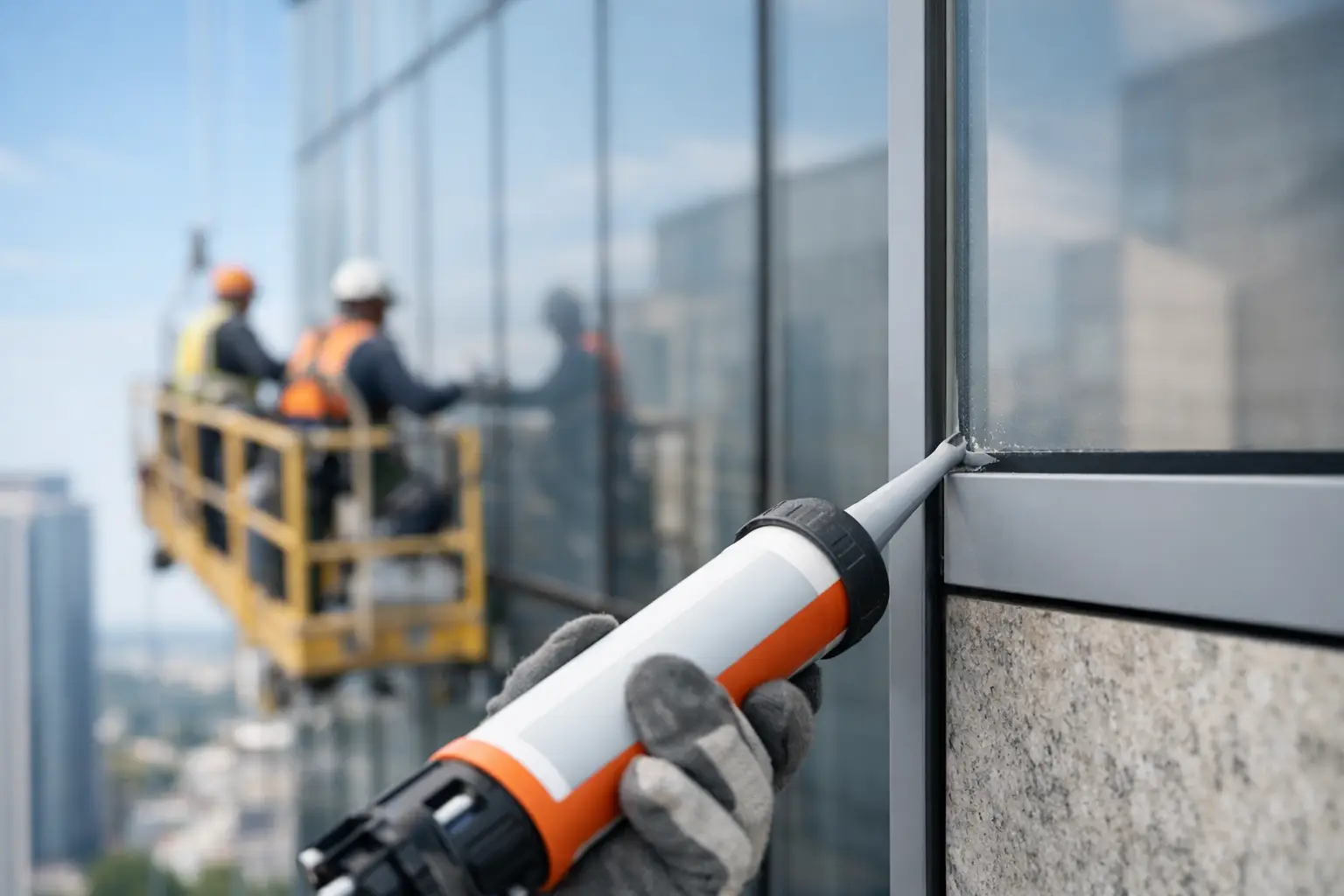
Even a high-performing sealant can fail when installation controls are weak. The existing joint must be prepared thoroughly, which often means removing failed material, cleaning bond surfaces, addressing contaminants, and confirming that the substrate is sound. If moisture or damaged backing materials are present, these conditions need to be corrected before new sealant is applied.
Installers should use the specified backer rod or bond-breaker tape to establish the intended joint depth and prevent unwanted three-sided adhesion. Sealant must then be applied continuously, without voids, and tooled properly to ensure contact with both joint faces. Weather conditions also matter. Rain, excessive substrate moisture, and unsuitable surface temperatures can compromise adhesion and curing.
For occupied buildings, execution planning is just as important as technical application. Work zones, rope access routes, public protection, tenant communication, and material handling should be coordinated to reduce disruption. Experienced facade contractors treat safety and access as part of the sealant system’s successful delivery, not as separate concerns.
Maintaining Facade Sealant Systems Before Leaks Escalate
Sealant maintenance does not always mean immediate replacement. Regular inspection can identify joints that are beginning to lose flexibility or adhesion before water reaches interior finishes, insulation, or structural interfaces. This allows building managers to prioritize repairs based on condition and exposure rather than waiting for complaints after severe weather.
Facade cleaning also supports inspection quality. Dirt, algae, and pollution buildup can hide open joints and surface degradation, especially around horizontal ledges and water-shedding details. Cleaning should be performed with methods that suit the facade material and do not damage sealants, coatings, or glazing components.
A useful maintenance record documents inspected elevations, observed defects, repair locations, sealant type, installation dates, and any leakage history. Over time, this information helps facility teams recognize trends and plan work around building operations. It also creates a stronger basis for decisions when a facade begins to show wider signs of aging.
When Specialist Access Makes the Difference
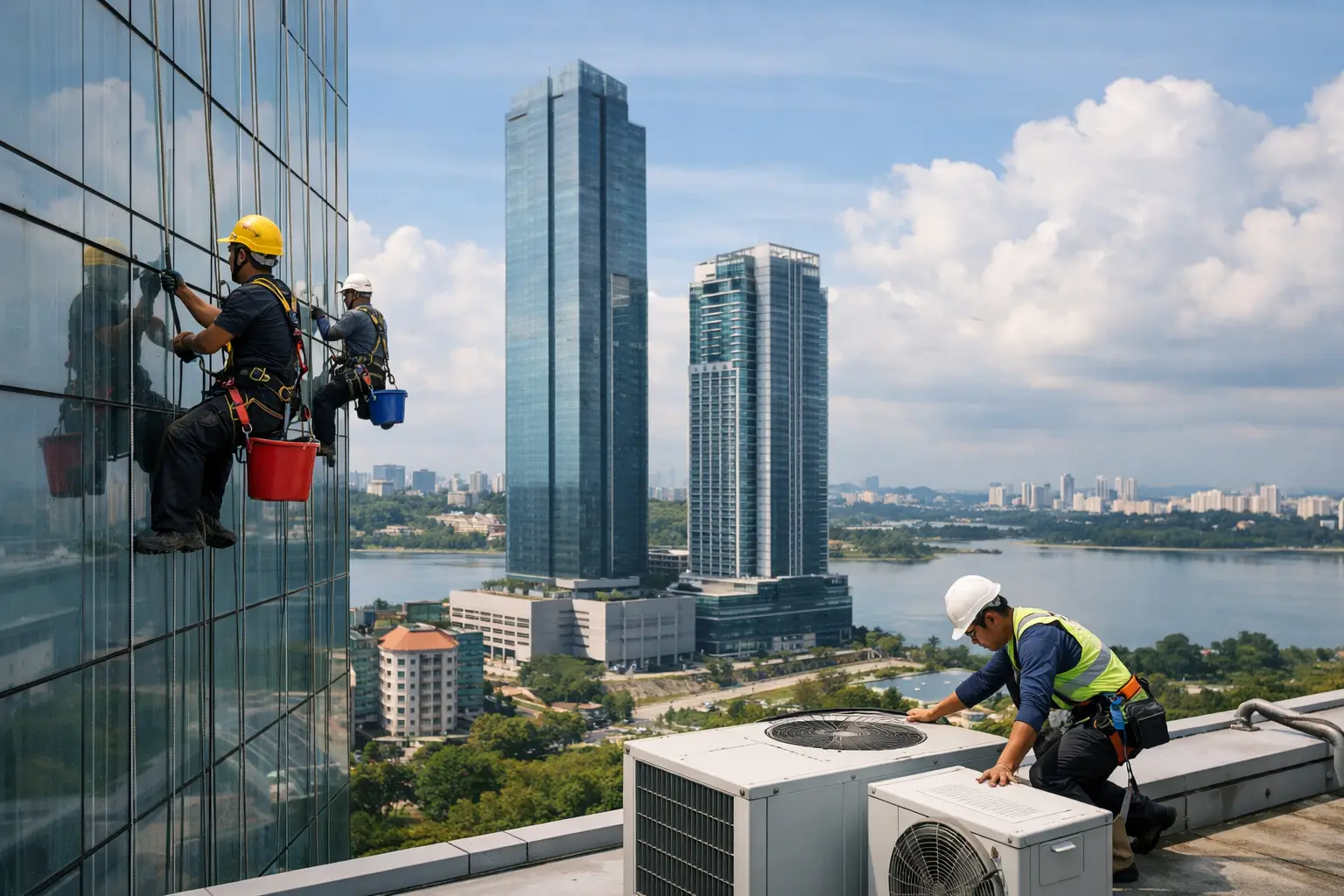
High-level sealant defects cannot be managed reliably through occasional visual checks from the ground. Many critical joints are located at slab edges, tower corners, recessed windows, upper parapets, and difficult facade transitions. Rope access enables trained technicians to inspect and repair these areas with direct contact while avoiding the prolonged setup associated with some alternative access methods.
The method must still be selected based on the building, the scope, and safety requirements. Rope access is highly effective for targeted surveys, localized repairs, and phased works, while larger renewal programs may require a different combination of access solutions. The objective is not simply to reach the joint, but to complete preparation, application, quality checks, and site protection to a professional standard.
A facade is exposed every day, including when no one is looking at it closely. Keeping its joints in sound condition is one of the most practical ways to reduce moisture-related surprises and preserve the performance expected from the building envelope.
Discuss the next step
For advice on facade sealant systems, request a site assessment or quotation from Vertical Pro.
Inspection and maintenance intervals should reflect local exposure. METMalaysia’s explanation of Malaysia’s climate notes the country’s high humidity and abundant rainfall, both of which affect exterior surfaces.


Leave a Reply