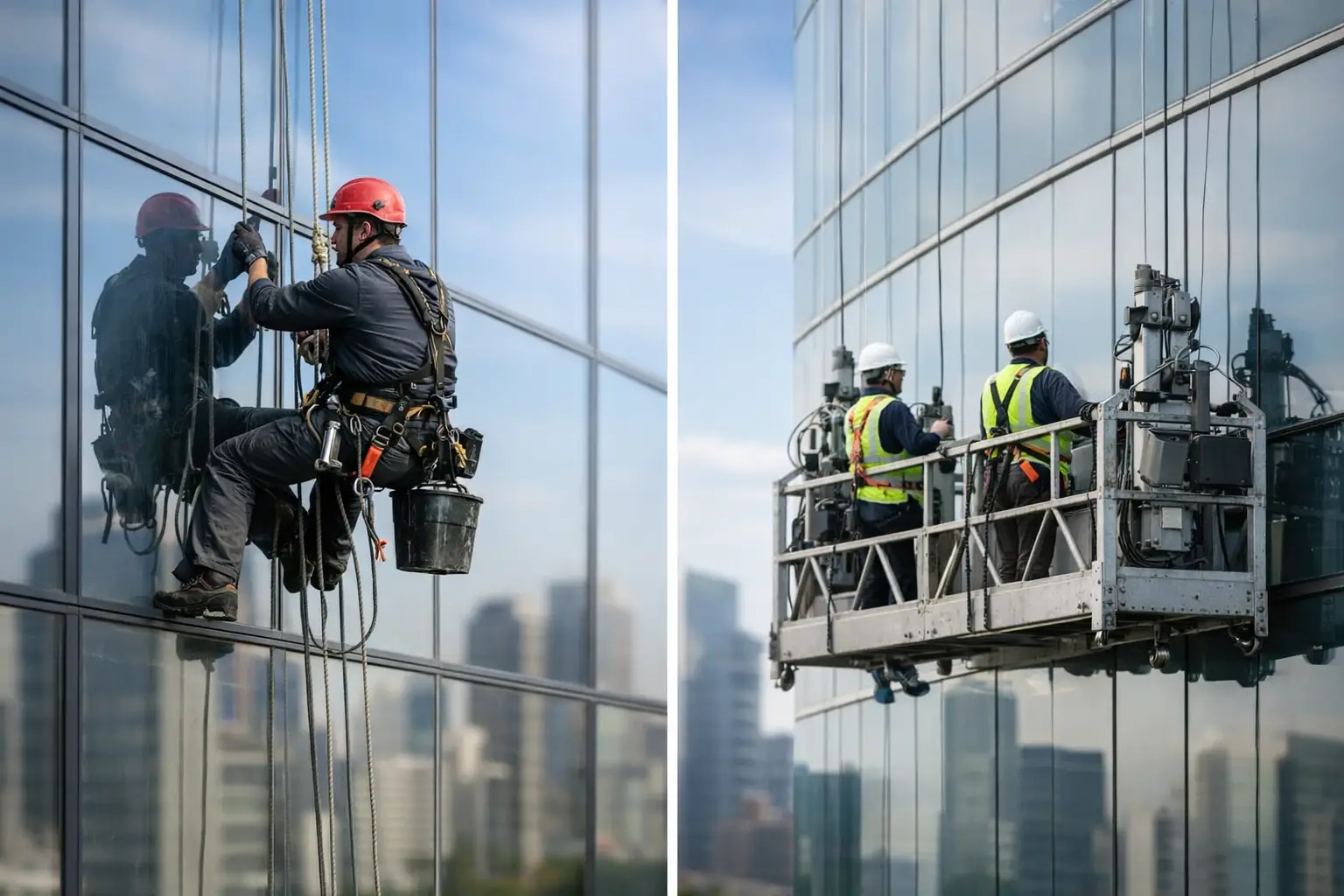
When a facade issue appears 30 stories up, access is no longer a logistics detail – it becomes the decision that shapes safety, speed, and the quality of the work itself. In the rope access vs gondola discussion, the right answer depends on the building, the scope of work, and how precisely technicians need to reach the facade.
For property owners and building managers, this choice affects more than task execution. It influences disruption to occupants, access to difficult architectural features, and the long-term condition of the building envelope. A system that works well for broad cleaning on a simple tower may be the wrong fit for targeted repairs on a stepped facade, podium edge, or decorative exterior element.
Rope access vs gondola: what is the real difference?
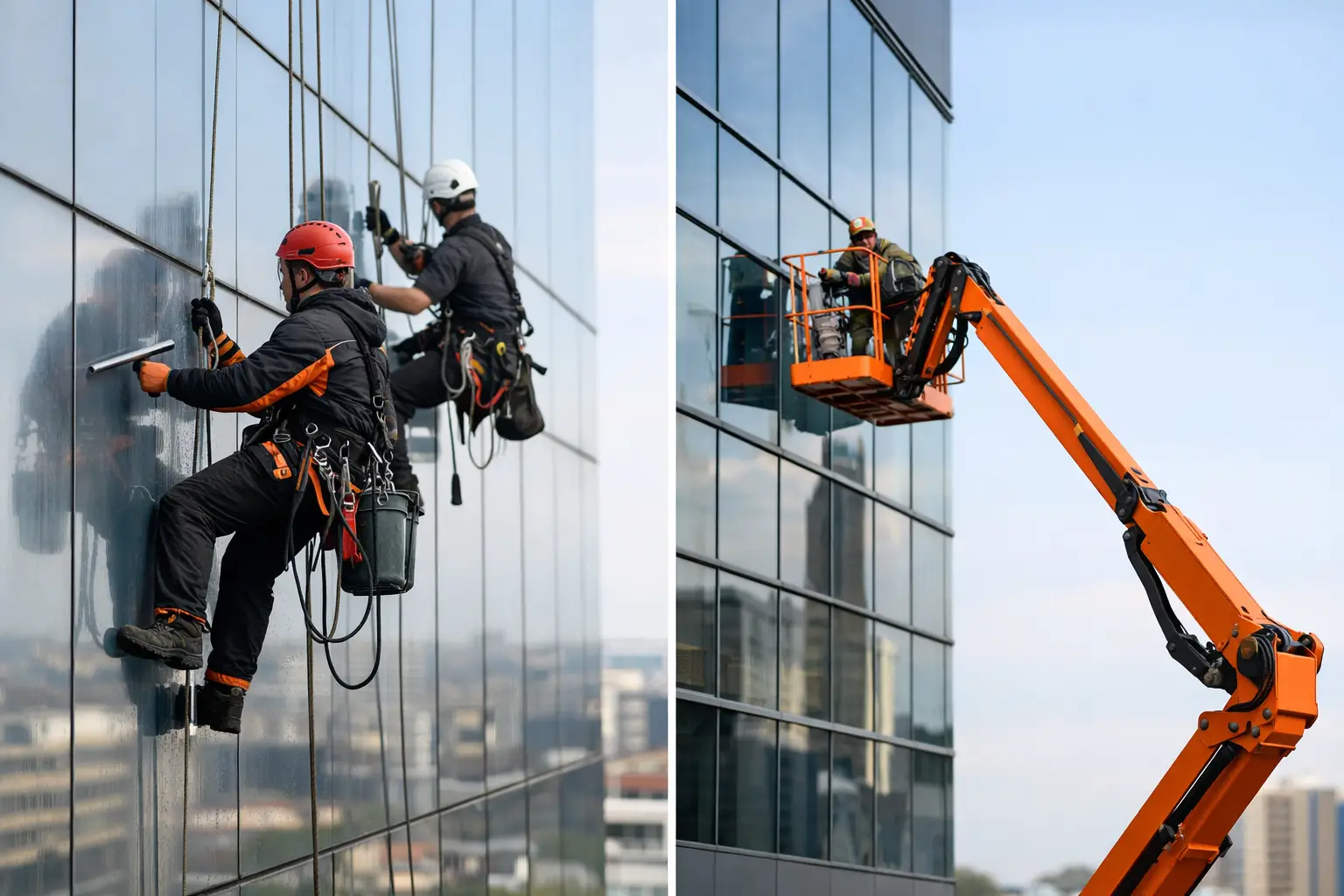
At a basic level, gondolas use suspended platforms to move workers vertically along a building facade. They are commonly associated with window cleaning and repetitive access across flat elevations. Rope access, by contrast, uses certified technicians working on ropes with specialized safety systems to descend, position, and move across exterior surfaces with a high degree of control.
That difference matters in practice. A gondola is a larger access platform designed for stable working positions over broader facade sections. Rope access is a more agile method that allows technicians to reach narrow setbacks, recessed areas, spandrels, fins, crowns, and irregular facade details that platforms may not reach efficiently.
Neither option is automatically better in every case. The best method depends on what needs to be done once the team gets there.
Where gondolas make sense
Gondolas are often effective on buildings with straightforward vertical elevations and consistent facade lines. If the objective is routine cleaning over large exterior zones, a suspended platform can provide a practical working area for crews, tools, and cleaning equipment.
For some towers, especially those designed with permanent building maintenance units or dedicated gondola systems, platform access is already part of the maintenance strategy. In those situations, using the existing system can support planned facade cleaning and scheduled exterior care with a predictable workflow.
Gondolas also provide an advantage when workers need a broader standing surface for certain tasks. If the work benefits from a platform setup and the facade geometry is uncomplicated, this method can be suitable.
But that suitability can narrow quickly. Buildings with deep recesses, sloped faces, projecting fins, canopies, transfer levels, and mixed materials often create blind spots or difficult angles for gondola access. A platform may cover the main face while leaving critical trouble areas harder to inspect or maintain.
Where rope access performs better
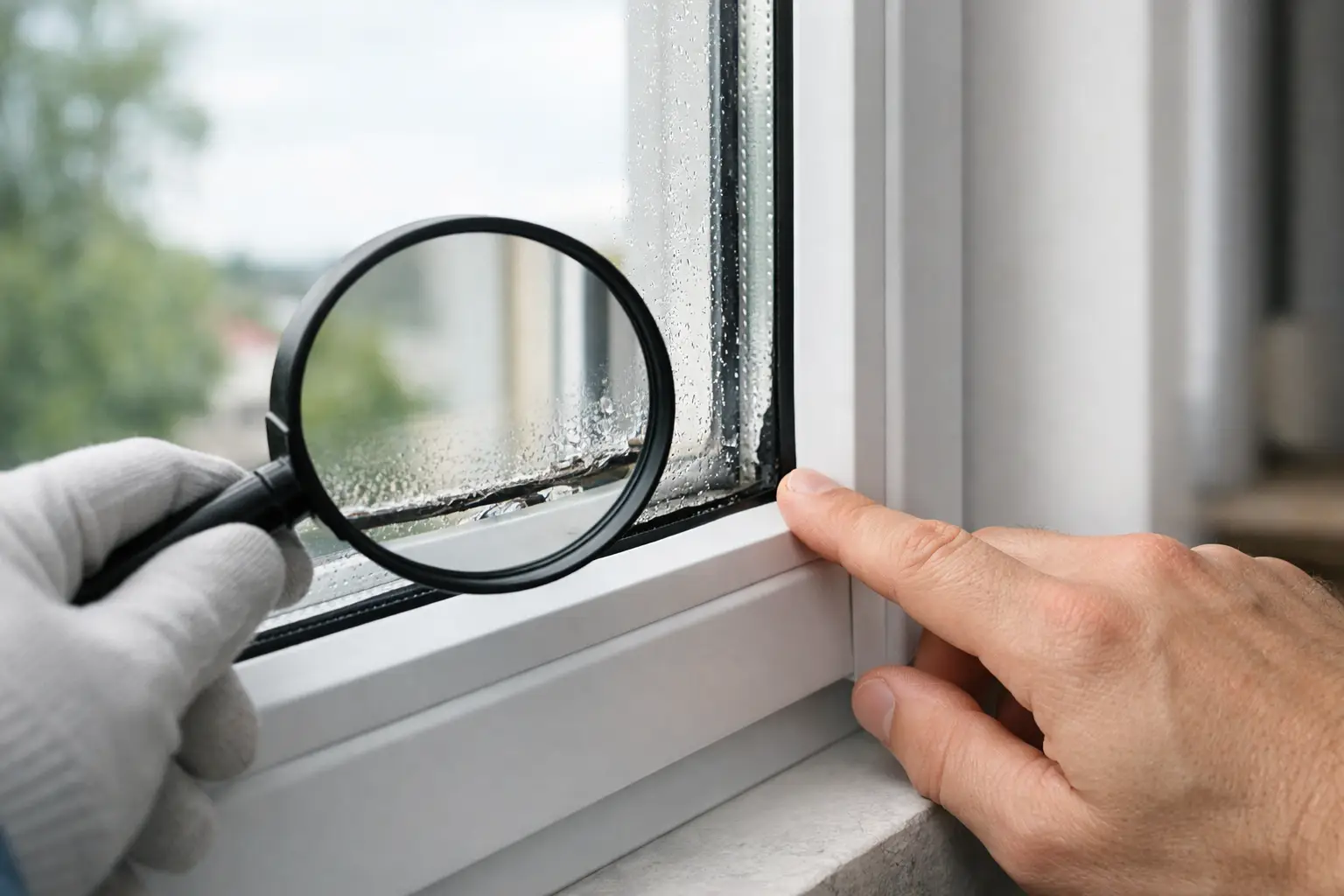
Rope access is particularly valuable when facade work requires precision rather than broad coverage alone. This includes close-up inspections, sealant checks, crack assessment, isolated repairs, water ingress investigations, and localized cleaning on difficult exterior sections.
Because technicians can position themselves directly at the work area, rope access is often the more effective choice for complex facade geometry. High-rise residential towers, office buildings with architectural features, and heritage-sensitive exteriors frequently present conditions where flexibility matters more than platform width.
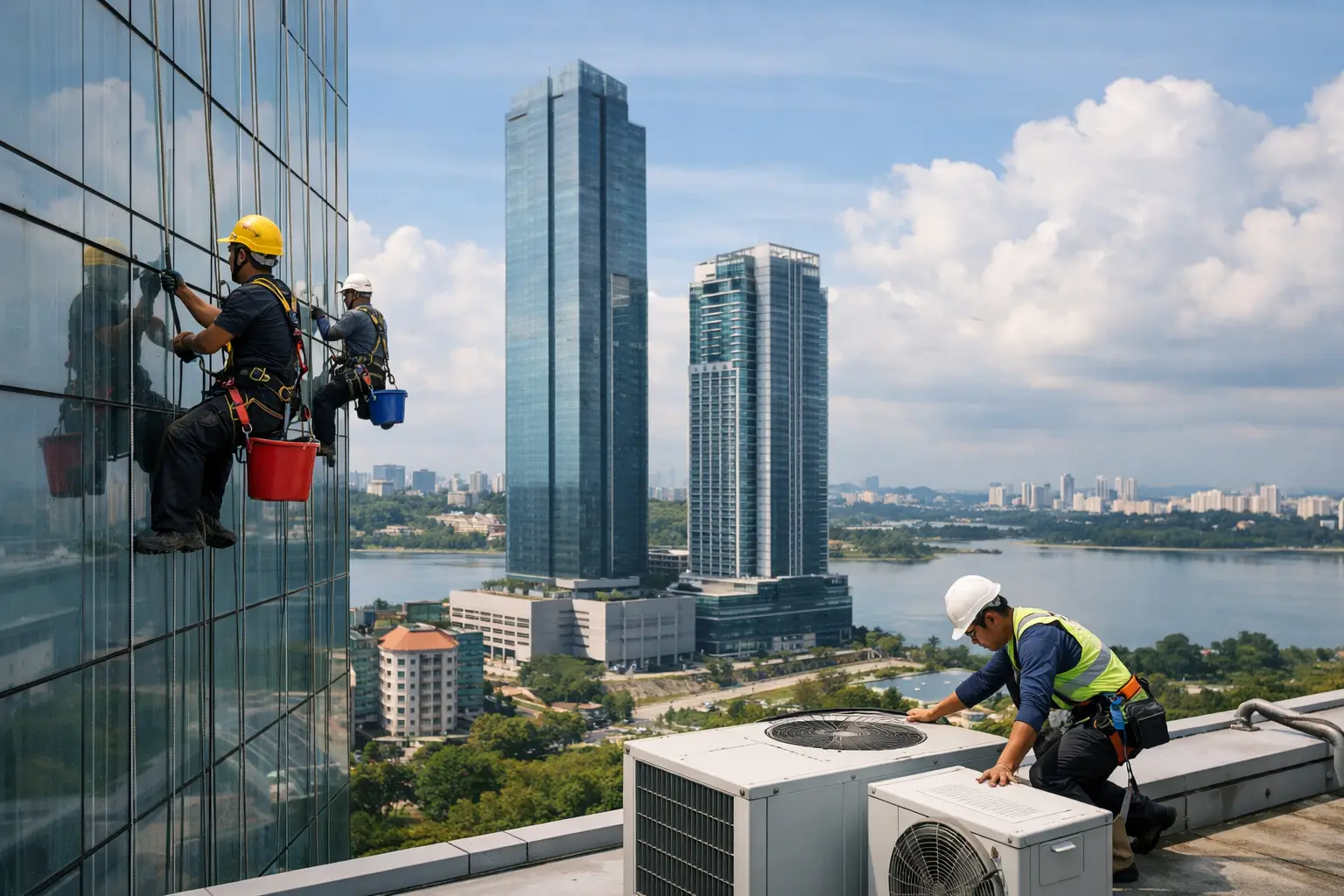
In Malaysia, that flexibility is especially relevant. Tropical rainfall, humidity, pollution exposure, and biological growth can affect facades unevenly. Deterioration does not always appear in neat vertical strips. It may concentrate around joints, corners, shaded recesses, or transition zones where water collects. Rope access allows technicians to target those areas directly instead of working around the limitations of a larger platform system.
This method can also reduce the need for bulky access equipment on sites where roof setup space, surrounding obstructions, or operational constraints make platform deployment less practical.
Safety is not about the method alone
In any rope access vs gondola comparison, safety should be assessed through planning, competency, equipment suitability, rescue readiness, and site-specific control measures – not assumptions.
A gondola is not automatically safer because it feels more substantial. Rope access is not automatically riskier because it appears less familiar to non-specialists. Both methods can support safe facade work when managed by qualified professionals under strict procedures.
What matters is whether the access method matches the building and the task. An unsuitable platform arrangement on a complex facade can create its own hazards through awkward positioning, incomplete reach, or repeated repositioning. The same applies to rope access used without proper planning, edge protection, supervision, and rescue systems.
For responsible asset management, the better question is not which method looks safer from the ground. It is which method allows trained personnel to reach the facade securely, perform the required work correctly, and maintain control throughout the operation.
Access quality affects maintenance quality
This is where many building teams underestimate the issue. Access is not separate from facade outcomes. If technicians cannot position themselves properly, inspection quality drops, defects are easier to miss, and repairs may become less precise.
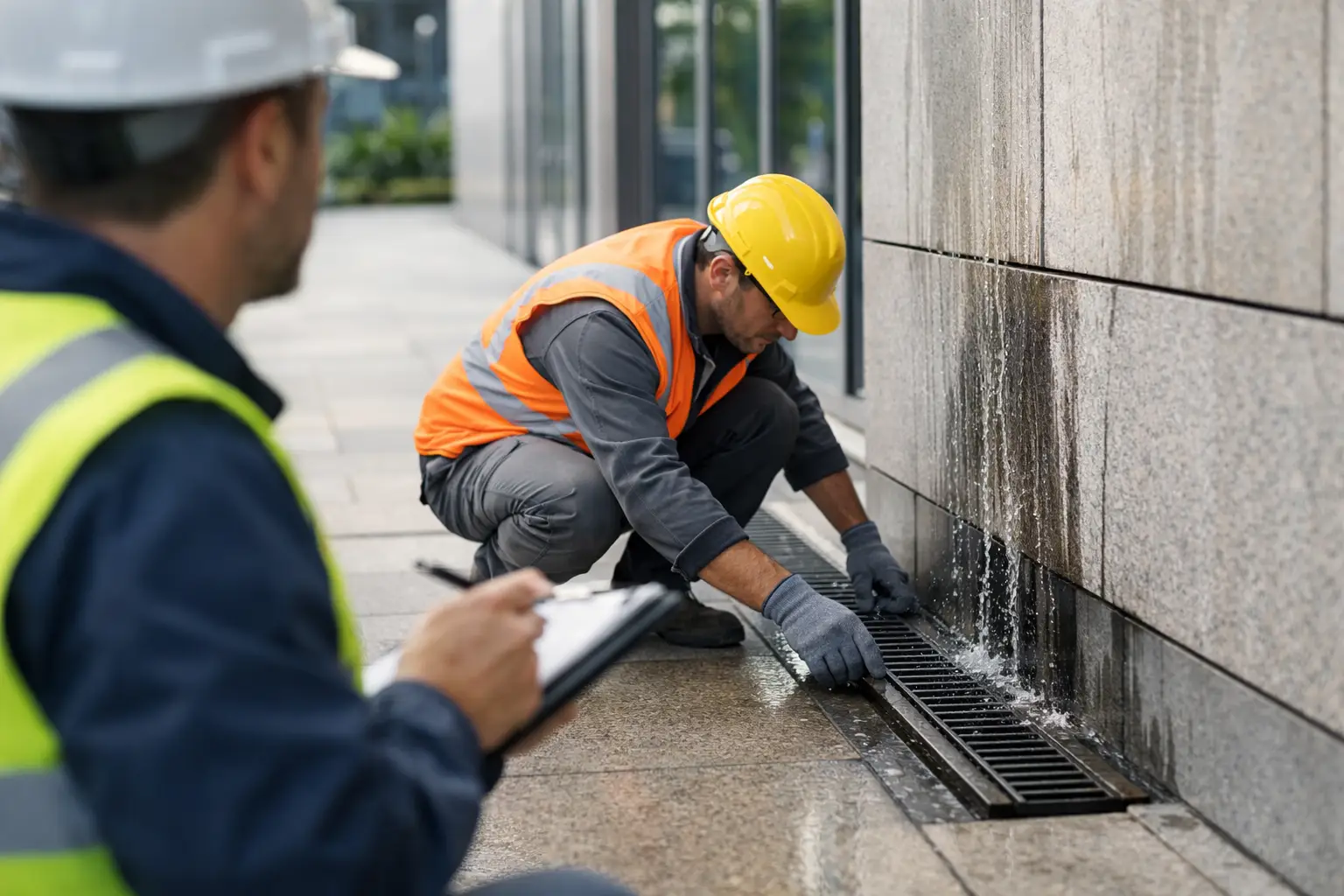
A gondola may be sufficient for general washing on a flat facade, but if the building has movement joints behind fins, failing sealant at recessed windows, or staining around hard-to-reach drainage paths, broader access may not be enough. Technicians need to get close, assess conditions at the right angle, and work directly on the affected detail.
Rope access is often stronger in this kind of facade maintenance because it supports close-contact work. That can be critical when dealing with localized defects before they expand into water ingress, coating failure, corrosion, or falling material risk.
Building shape usually decides the answer
If a building has long, uninterrupted elevations and a maintenance system designed around suspended platforms, gondolas may remain a practical part of the facade strategy. If the facade is highly articulated, includes offsets and projections, or combines different exterior materials, rope access often provides better coverage.
Modern urban buildings rarely stay simple all the way up. Mechanical floors, sky terraces, feature frames, crown structures, facade lighting elements, and irregular roof edges all affect access planning. Even on buildings that use gondolas for standard cleaning, rope access may still be the better method for specialist inspections and repair works.
That is why experienced facade teams do not treat access as one fixed decision for the life of the building. Different maintenance scopes may call for different methods at different times.
Rope access vs gondola for common facade tasks
For routine glass and facade washing on accessible, uniform elevations, gondolas can be effective. For close inspection, defect mapping, sealant replacement, minor facade repairs, and work on irregular surfaces, rope access often provides better positioning.
For restoration projects, the answer is usually more nuanced. Some scopes benefit from a combination approach, where platform access supports one phase and rope access supports another. The objective is not to favor one system on principle. It is to align the access method with the actual condition of the facade and the precision the work requires.
This is especially relevant for buildings where appearance and envelope performance are closely linked. Dirt buildup, staining, failed sealants, surface cracks, and coating deterioration rarely remain cosmetic issues forever. Access methods that support thorough inspection and targeted intervention help protect the building over time.
What building managers should evaluate before choosing
The smartest starting point is to assess the facade, not the equipment. Look at the building geometry, roof constraints, surface condition, work type, and whether the task involves broad repetitive coverage or targeted technical intervention.
It is also important to consider how much of the facade truly needs attention. If the concern is isolated to specific elevations or hard-to-reach defect zones, a flexible access solution may be more appropriate than a system designed for full-face coverage. If the building has operational sensitivities, occupied units, restricted drop zones, or complex site surroundings, those practical conditions should be part of the decision as well.
Most of all, choose a contractor that understands facade behavior, not just access equipment. Exterior maintenance is not simply about reaching a wall. It is about recognizing material risk, identifying deterioration pathways, and carrying out work in a way that supports the building’s long-term performance. That is where a specialized facade team adds real value.
The better question is not which is best
The better question is which method is right for this facade, this defect, and this maintenance objective. In many cases, rope access offers the adaptability needed for modern high-rise facade care, especially where access is complicated and precision matters. In other cases, gondolas remain useful for planned exterior cleaning on suitable elevations.
A dependable maintenance strategy does not force every building into the same access model. It starts with the facade condition, matches the method to the work, and keeps safety and building performance at the center of every decision.
If your building exterior is becoming harder to maintain, that usually means the access strategy deserves a closer look, not just the facade itself.
Discuss the next step
For advice on rope access vs gondola, request a site assessment or quotation from Vertical Pro.
A sound rope access plan connects the task, rescue arrangements, supervision and technician competence. These principles are described in IRATA International’s overview of rope access.
Leave a Reply