

The causes of facade cracks are easier to separate when cracks are mapped by location, width, direction, moisture exposure and any recent movement or repair history.
Causes Of Facade Cracks: What to Check on Site
Plan how the completed work will be checked. Photographs, defect maps and agreed acceptance criteria help the building team verify the result.
A hairline crack beside a window may look cosmetic during a routine site walk. After repeated rain, heat, and building movement, however, that same line can become a route for moisture, staining, corrosion, and localized facade failure. Understanding what causes facade cracks helps building managers decide when to monitor a condition and when to arrange a professional inspection.
Facade cracks are not one single defect. They are visible symptoms that can originate in render, concrete, brickwork, sealant interfaces, coatings, or the building structure behind them. The pattern, location, width, direction, and rate of change all matter. A sound maintenance decision begins with identifying the cause rather than simply filling and repainting the crack.
What Causes Facade Cracks?
Most facade cracking results from a combination of material movement, water exposure, installation conditions, and long-term weathering. In high-rise buildings, access limitations can allow early defects to remain unnoticed until they spread across a larger area or begin affecting internal spaces.
Thermal expansion and contraction
Facade materials expand in heat and contract as temperatures fall. Concrete, metal framing, glass systems, masonry, render, and sealants all move at different rates. Where movement joints are missing, blocked, poorly detailed, or past their service life, that movement is transferred into more rigid finishes.
This often creates straight or stepped cracks near slab edges, window openings, panel joints, and transitions between different materials. In Malaysia’s tropical climate, frequent solar heating followed by heavy rain can place repeated stress on exposed elevations. West-facing walls and unshaded upper levels commonly experience more pronounced thermal cycling.
Moisture penetration and trapped water
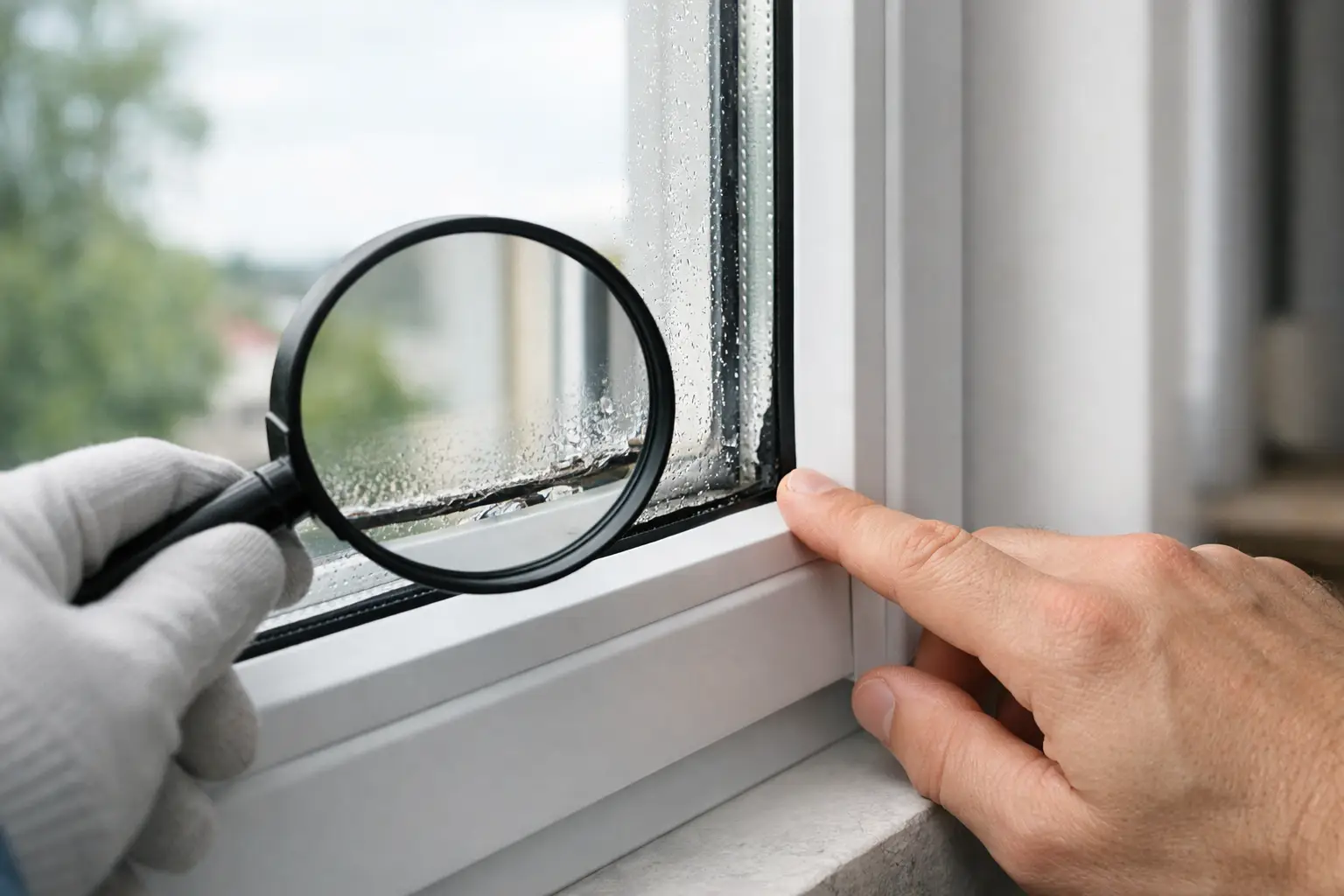
Water is one of the most persistent causes of facade deterioration. It can enter through failed sealant, open joints, cracks, defective flashings, poorly maintained gutters, or penetrations around mechanical equipment. Once moisture reaches the substrate, it can weaken render adhesion, encourage efflorescence, stain finishes, and accelerate corrosion in embedded metal components.
Moisture-related cracks do not always begin as wide openings. Fine cracks may first appear with damp patches, algae growth, peeling paint, rust staining, or hollow-sounding render. The important question is not only where the crack is visible, but where the water is entering and whether it is being retained behind the external finish.
Building settlement and structural movement
All buildings experience some movement over time. Minor settlement can occur after construction, while structural movement may also result from changes in loading, ground conditions, adjacent excavation, foundation issues, or deflection in structural elements. These movements can produce diagonal cracks extending from window and door corners, long vertical cracks, or cracks that continue through several floors.
Not every structural crack signals an immediate emergency, but recurring, widening, or displaced cracks require prompt evaluation. If the two sides of a crack are no longer level, or if cracking is accompanied by sticking doors, internal wall cracks, water ingress, or spalling concrete, the issue should be assessed by qualified building and structural professionals. Cosmetic repairs alone may hide evidence needed to diagnose the underlying condition.
Shrinkage in concrete, render, and mortar
Cement-based materials naturally shrink as they cure and dry. If concrete, plaster, render, or mortar dries too quickly, is mixed inconsistently, applied too thickly, or cured inadequately, shrinkage cracking can develop. Fine random cracks, often described as crazing, may be limited to the surface. Larger shrinkage cracks can occur where the finish is restrained by corners, openings, or different substrate materials.
The distinction matters. Surface crazing may primarily affect appearance and coating performance, while a deeper crack can admit water and undermine the bond between the facade finish and substrate. Sounding surveys and close visual inspection help determine whether the affected layer remains securely attached.
Poor detailing or installation defects
Facade systems depend on correct detailing at their most vulnerable points: movement joints, window perimeters, parapets, ledges, balcony edges, service penetrations, and changes in material. Small workmanship errors at these locations can become significant after years of exposure.
Examples include insufficient joint widths, incompatible sealants, inadequate backing materials, weak adhesion between coatings and substrate, or missing reinforcement in render at stress points. Cracks may also develop where repairs were completed with materials that are harder or less flexible than the surrounding facade. A repair should accommodate the building’s expected movement, not simply cover it.
Corrosion and concrete spalling
Reinforced concrete can crack when steel reinforcement corrodes. As steel rusts, it expands and exerts pressure on the surrounding concrete. This can create linear cracks along reinforcement lines, rust-colored staining, delamination, and eventually pieces of concrete breaking away.
This condition is particularly important on high-rise facades because loose concrete creates a public safety risk below. It also indicates that moisture and contaminants may have reached the reinforcement. Early investigation can help define the extent of deterioration before repairs become more disruptive and complex.
Environmental exposure and building use
Urban pollution, airborne salts, biological growth, wind-driven rain, and repeated wet-dry cycles gradually affect facade finishes. Buildings near busy roads, coastal areas, or industrial zones may face faster coating breakdown and contamination. Persistent dirt can also obscure hairline cracks and early moisture paths during routine visual checks.
Building alterations can create additional stress. New signage, exterior equipment, unauthorized penetrations, changes to drainage, or modifications to balcony enclosures may compromise waterproofing details or introduce concentrated loads. Maintenance teams should record exterior changes so future inspections can assess their effect on facade performance.
Reading the Pattern of a Facade Crack
Crack appearance provides useful clues, but it is not a substitute for diagnosis. Hairline random cracking in a coating may suggest aging or shrinkage. Diagonal cracks from opening corners can indicate concentrated stress or movement. Horizontal cracks at floor lines may relate to slab edge movement, corrosion, or interface failure. Vertical cracks can occur at material junctions, movement joints, or structural lines.
Width alone does not determine severity. A narrow crack that is actively widening or allowing water into an occupied space can require more attention than a wider but stable, superficial finish crack. Building teams should document the date, location, length, width, nearby staining, and any signs of displacement. Clear photographs taken from the same reference point make changes easier to identify over time.
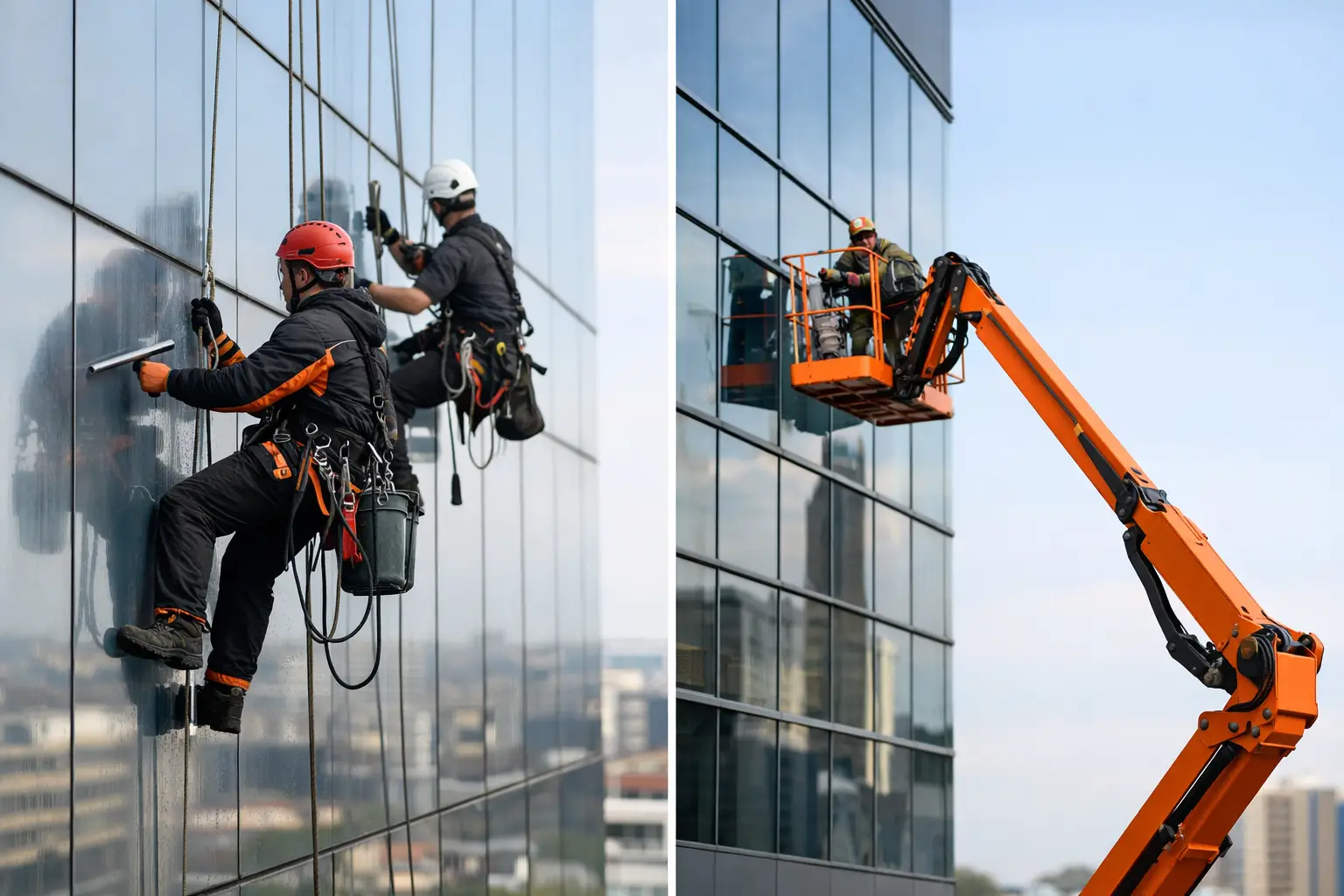
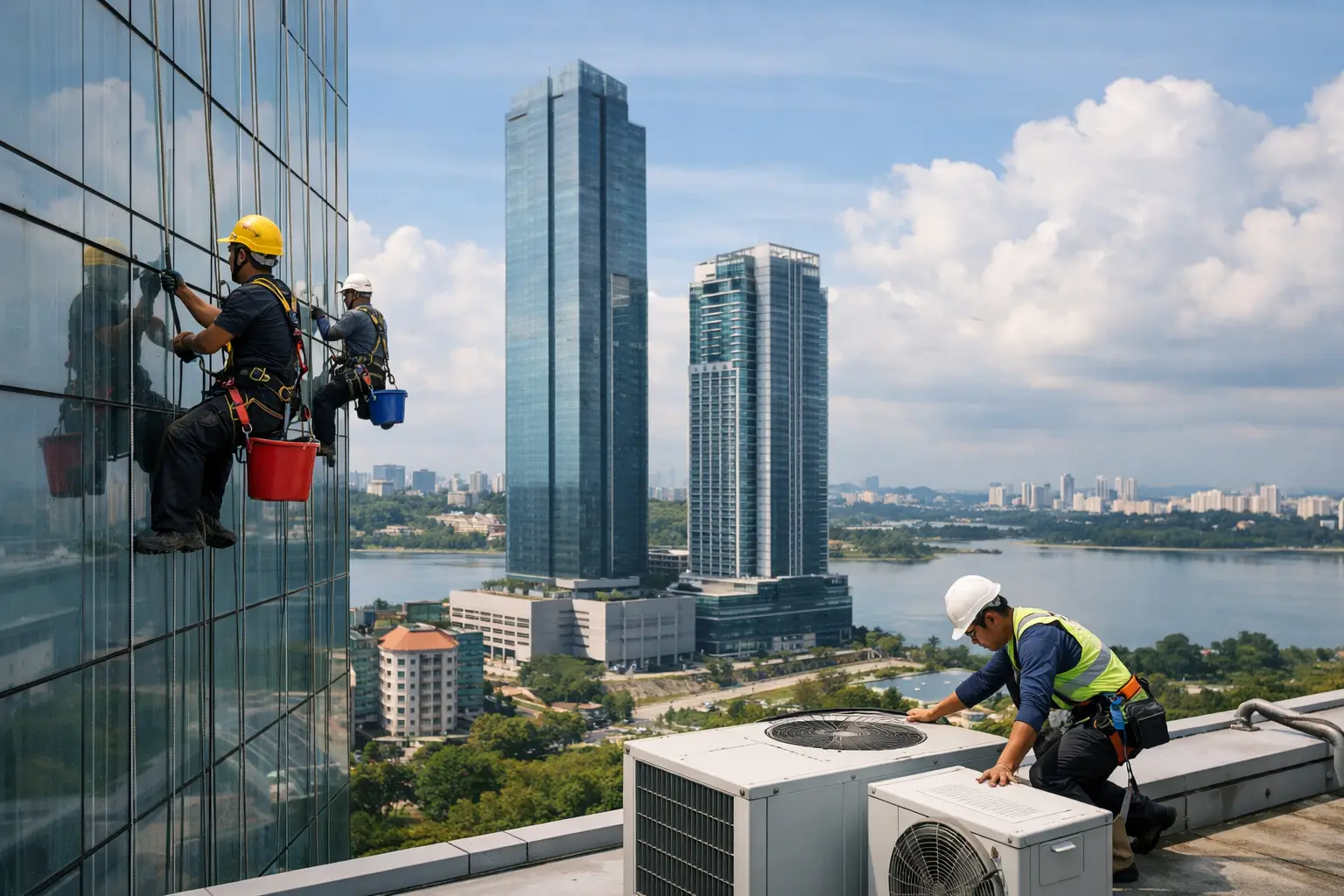
For elevated areas, close inspection should be completed through safe, planned access methods. Rope access can allow trained facade specialists to inspect difficult locations with minimal disruption to occupants, while also enabling hands-on checks for hollow render, loose material, failed sealant, and concealed water pathways.
When Cracks Need Immediate Attention
Some conditions should not wait for the next scheduled maintenance cycle. Arrange an urgent assessment when cracks are accompanied by loose or bulging render, falling debris, exposed reinforcement, concrete spalling, rust staining, active water ingress, or visible movement across structural elements.
The same applies when cracking develops rapidly after severe weather, construction activity nearby, impact damage, or changes to the building. Barricading affected ground areas may be necessary where there is any risk of falling facade material. Safety controls should remain in place until the condition has been inspected and made safe.
A Practical Response for Building Managers
The appropriate repair depends on the cause. Sealing a stable hairline crack may be suitable after confirming that the substrate is sound and dry. A moving joint needs an appropriate flexible joint treatment. Corroded concrete requires removal of unsound material, treatment of reinforcement where necessary, and a compatible repair system. Water-related failures require the entry point to be corrected before finishes are reinstated.
A disciplined process prevents repeat work. Start with a condition survey, map the defects, identify patterns by elevation, and investigate likely moisture paths. Then prioritize safety-critical areas, active leaks, and defects that threaten facade adhesion. Repairs should be followed by quality checks and incorporated into a planned maintenance program rather than treated as isolated incidents.
Cleaning also has a role in prevention. Removing pollution, biological growth, and surface deposits improves visual inspection and helps maintenance teams spot early changes. The cleaning method must suit the facade material, since aggressive methods can damage coatings, weaken joints, or force water into vulnerable areas.
Protecting the Facade Before Cracks Spread
Facade cracks are easier to manage when inspections are regular, records are consistent, and access is planned before a defect becomes urgent. A maintenance program should consider the building’s age, facade type, exposure, past repair history, and known leak locations. High-risk zones such as parapets, balcony edges, window perimeters, and areas below roof drainage deserve particular attention.
For property stakeholders, the objective is not a perfectly unmarked exterior at all times. It is a facade that remains safe, weather-resistant, visually credible, and maintainable throughout its service life. Addressing the cause behind a crack protects that outcome far better than covering the symptom.
Discuss the next step
For advice on causes of facade cracks, request a site assessment or quotation from Vertical Pro.
Before appointing a method of access, assess the task, exposure, working area and emergency arrangements. DOSH Malaysia’s fall-prevention guidance explains the fall-prevention principles that support this review.


Leave a Reply