
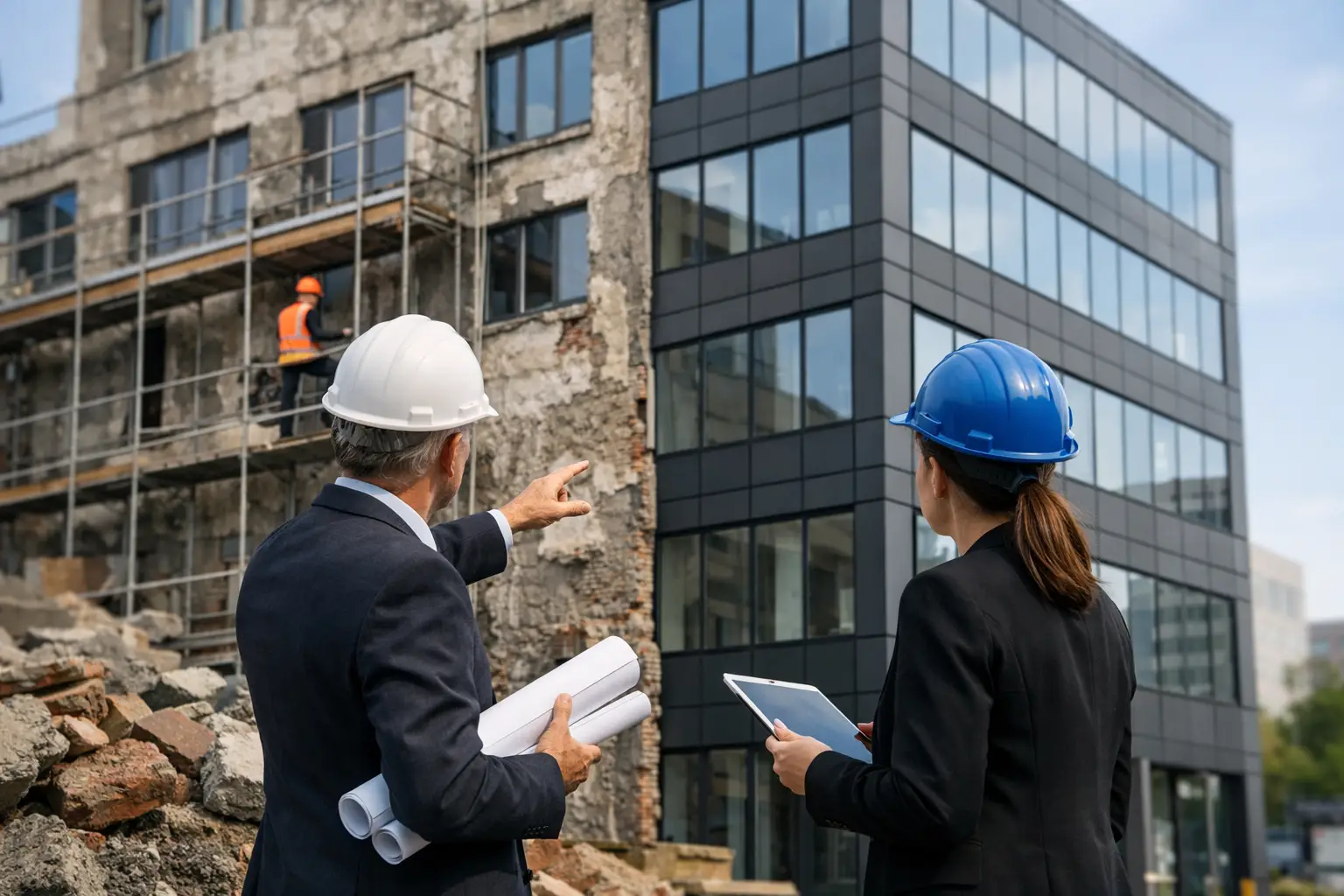
A decision about facade restoration or replacement should be based on reach, facade condition, public interface, work duration and the controls required for the actual site.
Facade Restoration Or Replacement: What to Check on Site
Review earlier leak reports and repair records alongside the current condition; recurring defects often reveal a source that a surface treatment will not solve.
A stained or cracked exterior does not automatically mean a building needs a new skin. The decision between restoration or replacement facade work begins with a more consequential question: is the facade’s underlying system still performing its job of controlling water, resisting wind, protecting occupants, and supporting the building’s appearance?
For property owners and facility teams, the wrong decision can create years of repeat defects, operational disruption, and avoidable risk. Restoration can preserve a sound facade and extend its service life. Replacement may be necessary where deterioration has compromised safety or the facade can no longer meet functional requirements. A professional condition assessment separates surface symptoms from system-level failure.
Restoration or Replacement Facade: Start With the Cause
Facade defects are often treated as visual issues because they first appear as discoloration, cracked sealant, loose paint, stained render, or corroded metal. Yet the visible condition is only one part of the picture. Water entry behind cladding, failed movement joints, damaged anchors, weakened concrete, or deteriorated glazing seals can progress long before a defect becomes obvious from the ground.
In Malaysia’s hot, wet, and humid environment, exterior systems are exposed to intense UV radiation, frequent rain, wind-driven moisture, biological growth, urban pollution, and daily thermal movement. High-rise facades experience these forces differently across elevations. A west-facing elevation may show severe sealant breakdown and fading, while shaded areas may retain moisture and develop algae or mold. The facade strategy should respond to these patterns rather than apply the same solution everywhere.
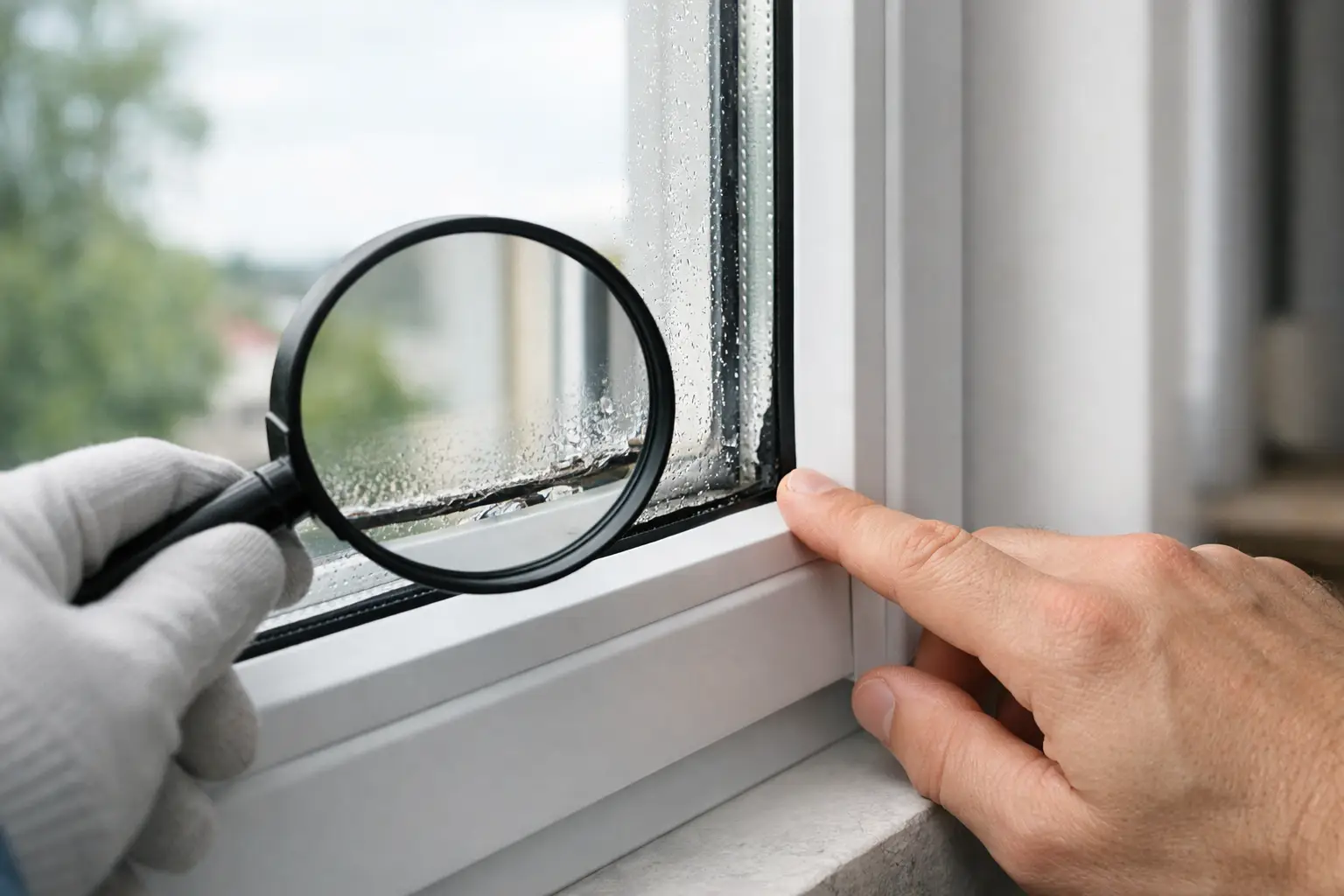
A detailed assessment should establish what the defect is, why it developed, how widespread it is, and whether it affects safety or weather resistance. This normally involves close-up visual inspections, access to representative elevations, review of previous repair history, and targeted testing where needed. Rope access can be particularly valuable for reaching difficult areas without placing unnecessary demands on site operations.
When Facade Restoration Is the Right Approach
Restoration is appropriate when the principal facade system remains fundamentally sound and defects can be repaired without compromising long-term performance. It is not simply a cosmetic refresh. Effective restoration addresses the components that protect the building envelope, while preserving materials and architectural character that still have useful life.
For concrete and rendered facades, restoration may include removing unsound material, treating exposed reinforcement, repairing spalls and cracks, renewing protective coatings, and restoring movement joints. For glazed curtain walls and window systems, the scope may involve replacing failed gaskets or sealants, correcting localized drainage issues, repairing damaged covers, or replacing isolated glazing units. Stone, tile, and cladding systems may require cleaning, re-pointing, localized panel repairs, anchor checks, or joint renewal.
Restoration is particularly valuable for occupied office towers and residential developments because it can often be phased by elevation or defect zone. With proper work planning, the building can remain operational while the exterior receives targeted intervention. This is also the preferred path for heritage or architecturally distinctive buildings where retaining original materials is part of protecting the asset’s identity.
However, restoration only succeeds when it deals with the cause of deterioration. Recoating a wall that is damp because of failed coping, leaking joints, or inadequate drainage may improve the appearance temporarily, but the moisture problem remains. A repair specification should connect every treatment to a confirmed defect mechanism.
Signs That Targeted Restoration May Be Viable
Restoration is commonly considered where defects are localized, water ingress is limited and traceable, attachment systems remain secure, and the facade retains its intended structural and weather-resistance performance. Isolated cracking, surface staining, localized concrete spalling, aging sealant, and patchy coating failure can often be addressed through a planned repair program.
The key word is “often.” A small visible crack may be harmless surface crazing, or it may indicate movement, corrosion, or stress within the wall assembly. Only close inspection can determine the correct response.
When Replacement Becomes Necessary
Replacement should be considered when defects are widespread, recurring, or tied to fundamental limitations of the existing facade. This is a performance decision, not an aesthetic preference. A building may need partial replacement of specific elevations, panels, window systems, or cladding zones rather than a complete facade replacement.
Examples include extensive corrosion of cladding support systems, repeated glazing or seal failures across large areas, deteriorated panels that cannot be safely retained, persistent water penetration caused by flawed system design, or materials that have reached the end of their practical service life. If repairs would only provide short intervals of relief or require repeated access to the same failing components, replacement may offer a more reliable long-term outcome.
Safety changes the threshold immediately. Loose facade elements, unstable cladding, severely corroded fixings, or spalled concrete with a risk of falling debris require urgent risk control before broader decisions are finalized. Temporary protection, exclusion zones, and close-up investigation may be needed to protect occupants and the public.
Replacement can also create an opportunity to improve performance. New systems may offer better drainage, improved movement accommodation, upgraded thermal behavior, more durable finishes, or more maintainable detailing. These benefits should be weighed against the greater scope of work, coordination demands, and potential impact on tenants or residents.
The Decision Is Rarely All or Nothing
The most effective facade programs are frequently hybrid solutions. A building may need restoration of concrete walls, replacement of failed sealants and selected glazing components, renewal of coatings, and localized replacement of panels with compromised fixings. Treating the entire facade as either “repairable” or “beyond repair” can lead to unnecessary work in some areas and inadequate work in others.
A condition map is useful here. By documenting defects by elevation, floor level, orientation, material type, and severity, building teams can prioritize work based on risk and performance. This creates a defensible maintenance plan that distinguishes urgent safety items from weatherproofing repairs, visual restoration, and planned future renewal.
The age of the building matters, but it should not decide the project alone. Some facades perform well for decades with regular maintenance. Others suffer early failure because of design details, incompatible materials, installation defects, or unusually harsh exposure. Inspection findings are more reliable than assumptions based solely on building age.
Assessing the Operational Impact
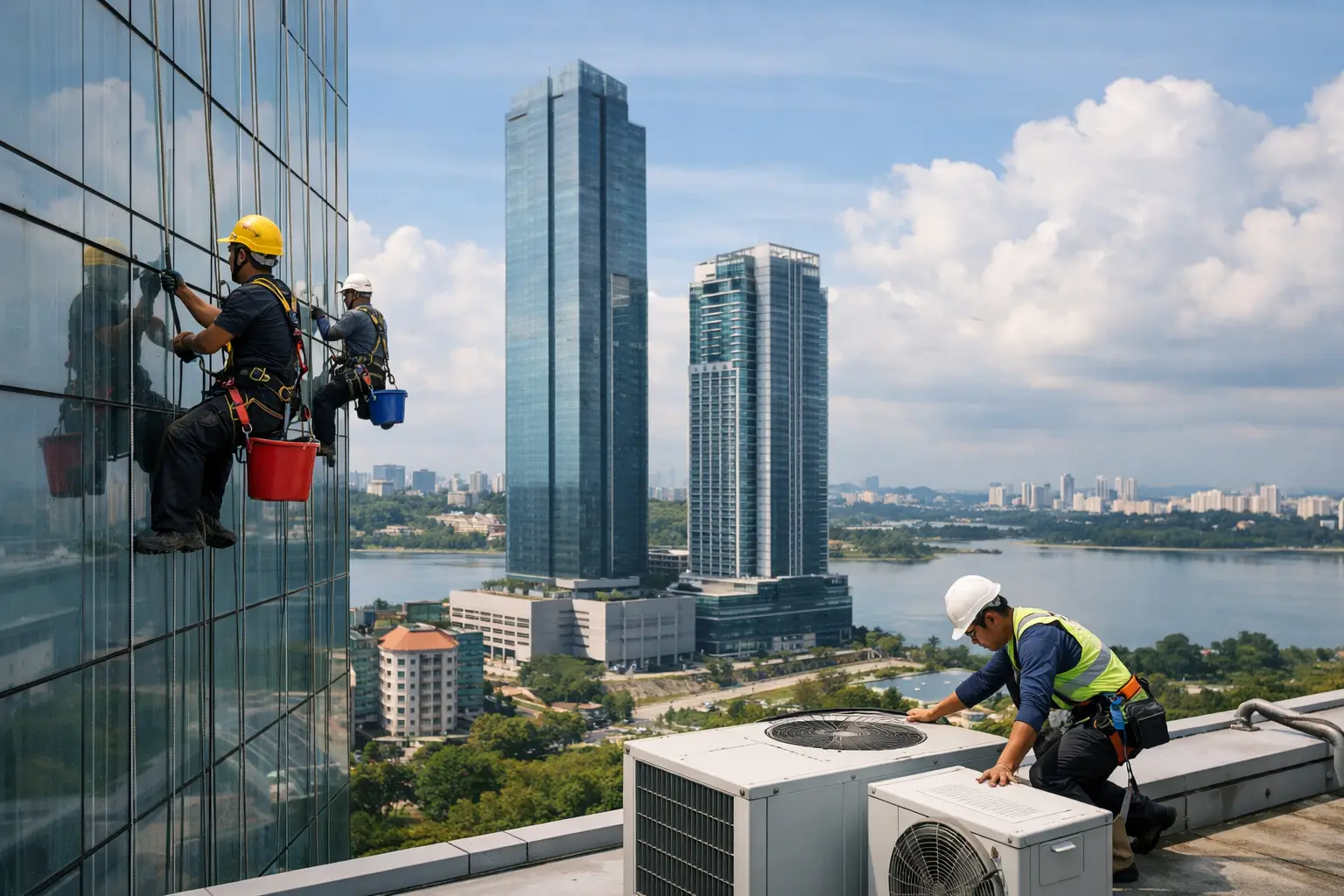
A facade decision must work for the building as well as the technical specification. High-rise exterior work requires safe access planning, coordination with occupants, weather monitoring, protection of public areas, and clear communication with the management team.
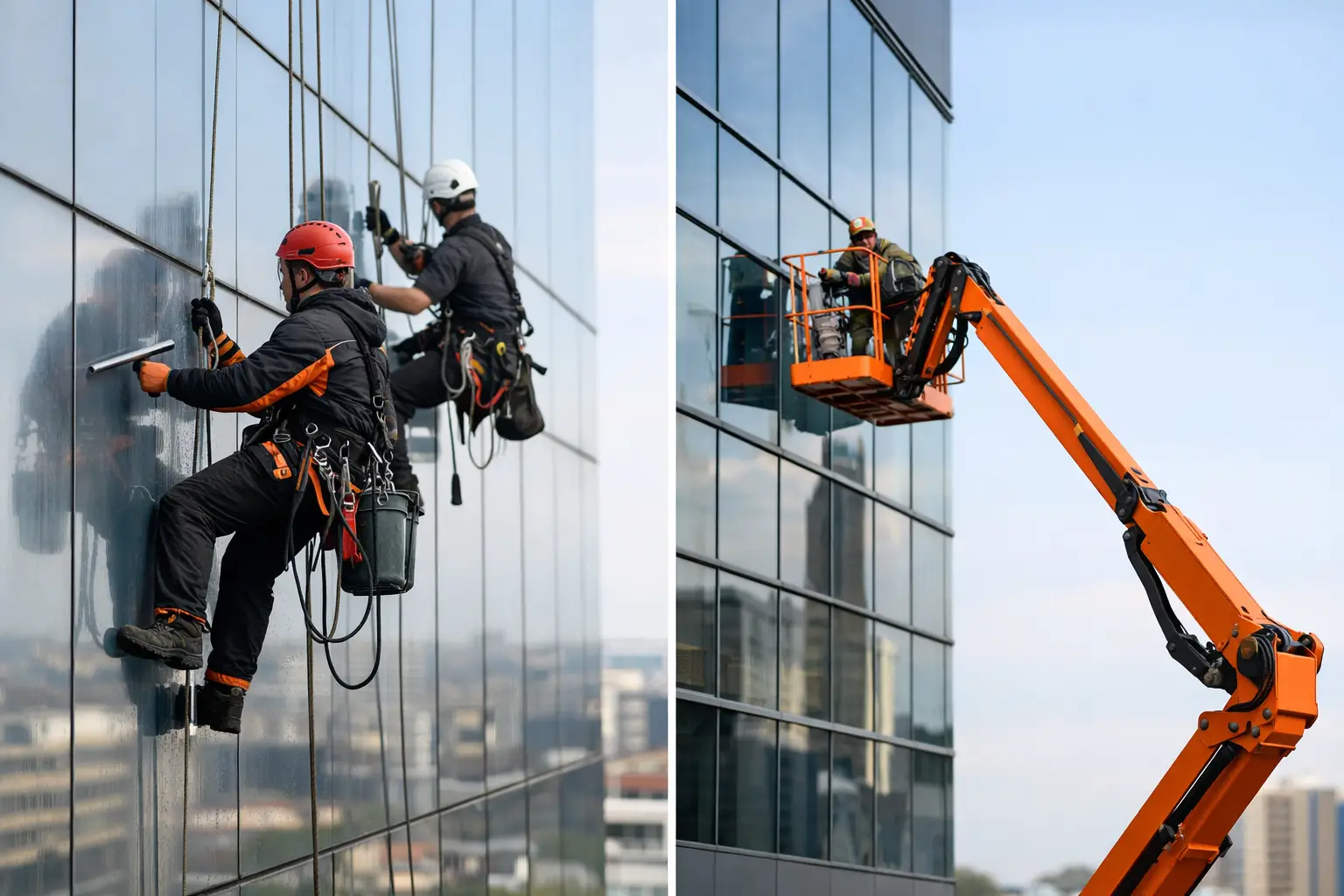
Rope access is often a practical method for inspections, cleaning, repairs, and localized restoration on tall or complex buildings. It allows trained technicians to reach facade areas that are difficult to access with conventional equipment, particularly around recessed elevations, architectural projections, and upper-level details. For larger replacement scopes, other access methods may be more suitable depending on the facade configuration and work duration.
The selected approach should also consider future maintenance. A facade that is restored or replaced without a realistic cleaning and inspection strategy may deteriorate faster than expected. Details that collect water, allow debris buildup, or cannot be accessed safely will remain recurring maintenance concerns.
Make the Decision From Evidence, Not Appearance
Before committing to a major scope, ask for a clear explanation of the building’s current condition, the cause of each significant defect, the risk if it is left untreated, and the expected role of each proposed repair or replacement measure. The recommendation should distinguish critical safety work from preventative maintenance and appearance-related improvements.
Documentation is equally important. Inspection records, defect photographs, test findings, repair locations, material recommendations, and maintenance instructions help building owners make informed decisions now and monitor facade performance later. This information is especially useful during management transitions, asset reviews, and long-term capital planning.
For facilities responsible for towers, residential complexes, or heritage properties, facade care is not a one-time event. Facade by Vertical Pro Sdn Bhd approaches exterior maintenance as a controlled process of inspection, safe access, targeted intervention, and ongoing protection.
The most useful next step is not to choose restoration or replacement based on what the facade looks like from a distance. Arrange a close, systematic assessment, then invest in the work that resolves the actual failure while protecting the building’s safety, function, and lasting presence.
Discuss the next step
For advice on facade restoration vs replacement, request a site assessment or quotation from Vertical Pro.
Before appointing a method of access, assess the task, exposure, working area and emergency arrangements. DOSH Malaysia’s fall-prevention guidance explains the fall-prevention principles that support this review.

Leave a Reply