
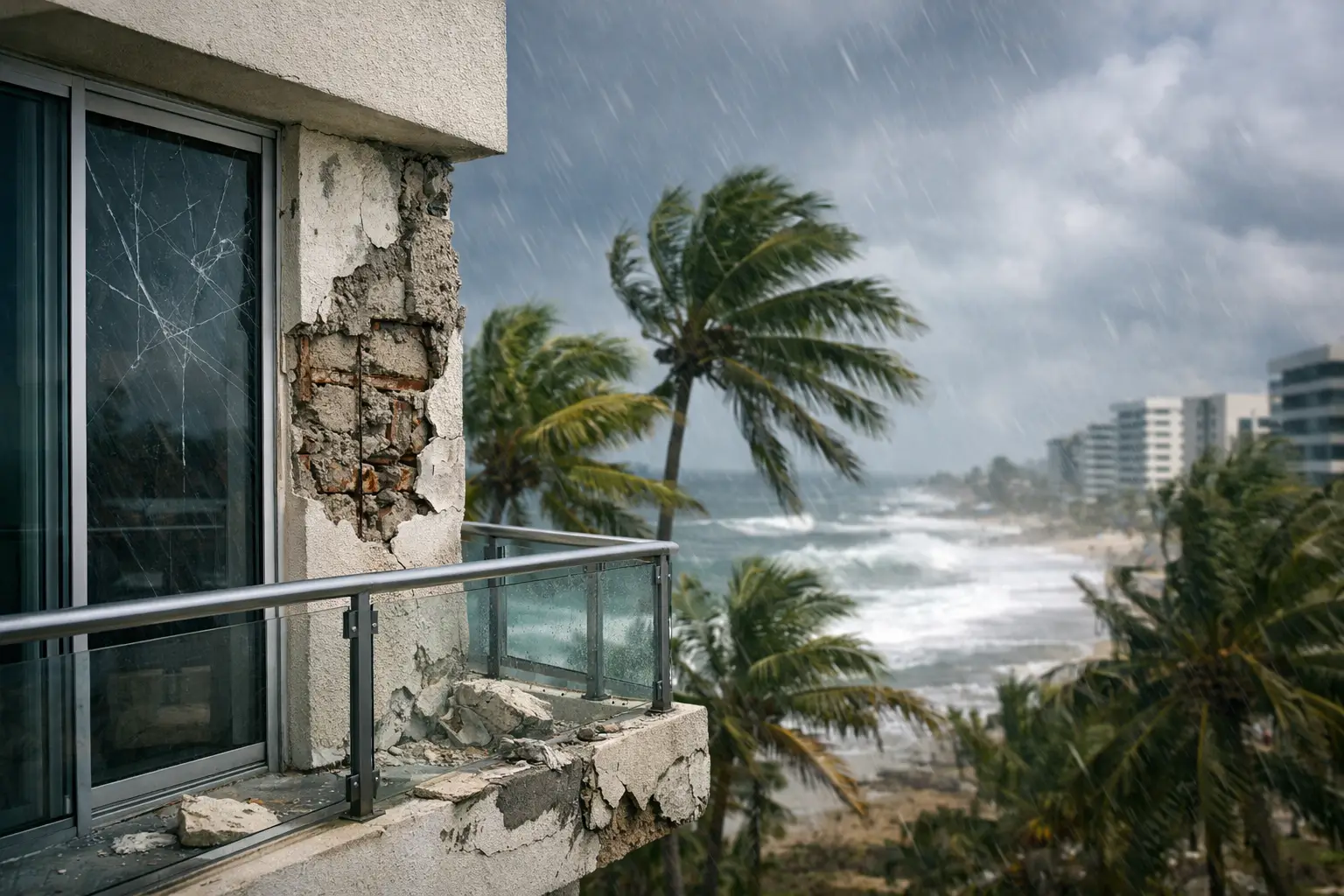
A facade can look acceptable from the ground and still be deteriorating in ways that matter. In Malaysia, tropical weather facade damage often starts quietly – moisture entering joints, coatings breaking down under UV exposure, sealants losing elasticity, and biological growth holding water against the surface longer than it should. By the time staining, cracking, or loose elements become obvious, the building may already be dealing with deeper performance and safety issues.
For property owners, facility managers, and management teams, that changes facade care from a cosmetic task into an asset protection decision. The exterior envelope is the building’s first line of defense. When it is repeatedly exposed to heat, humidity, heavy rain, wind-driven moisture, and urban pollutants, even durable facade systems begin to show stress. The key question is not whether the weather will affect the facade. It is how early the risk is identified and how consistently it is managed.
Why tropical weather facade damage happens faster
Tropical climates create a difficult operating environment for building exteriors because multiple stressors act on the facade at the same time. Heat expands materials. Sudden rain cools surfaces quickly. Humidity slows drying. UV radiation weakens finishes and some polymers. Wind pushes water into small openings that might not fail in a milder climate.
This combination matters because facades are assemblies, not single materials. Glass, sealant, aluminum, stone, render, concrete, paint systems, gaskets, and fixings all react differently to temperature and moisture. When those materials move at different rates, fatigue builds at joints and interfaces. What begins as minor movement can become water ingress, edge staining, detachment risk, or substrate deterioration.
High-rise buildings face an added challenge. Exposure changes by elevation and orientation. Upper levels may take stronger wind and rain impact, while lower levels collect runoff staining, splashback, and pollution deposits. One facade can age unevenly, which is why blanket assumptions often miss the actual problem areas.
The most common signs of tropical weather facade damage
Not every facade defect is urgent, but some early warning signs deserve close attention. Water staining below window heads, slab edges, or movement joints often points to failed sealing or drainage issues. Peeling coatings and blistering paint may indicate trapped moisture rather than a simple finish problem. Cracks can be harmless surface shrinkage, or they can mark movement paths that let water enter the system.
Biological growth is another common indicator in humid environments. Algae, mold, and moss do more than affect appearance. They retain moisture on the surface and can accelerate deterioration, especially on porous materials or shaded elevations that dry slowly.
Corrosion staining also deserves careful investigation. Rust marks on concrete or metal-clad facades can signal that embedded or exposed metal components are reacting to persistent moisture. If left untreated, corrosion can expand, crack surrounding material, and compromise the integrity of localized facade elements.
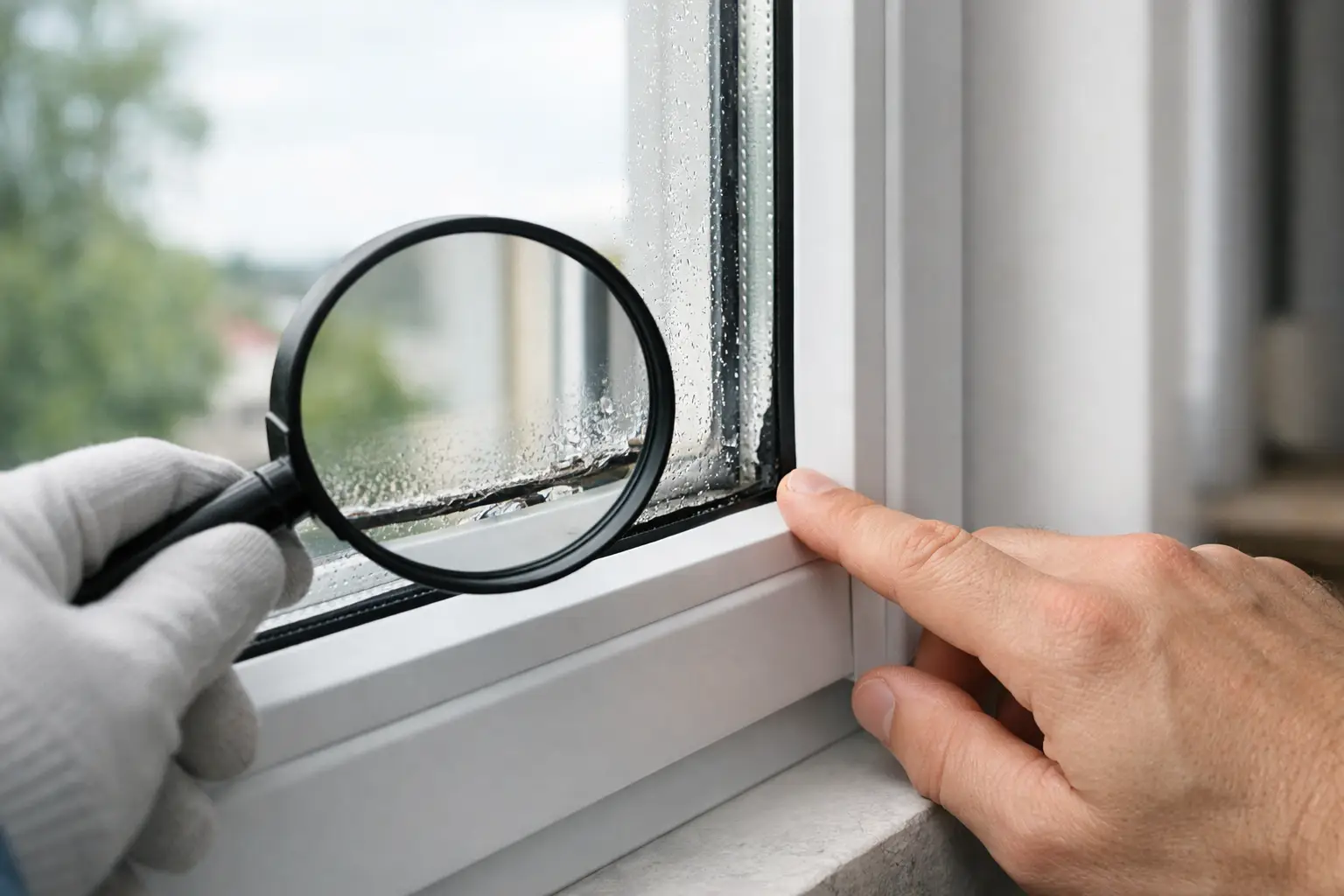
Then there is sealant failure, one of the most underestimated issues on tropical buildings. Hardened, split, detached, or shrunken sealant around windows, panels, and movement joints creates a direct path for water. Because these failures can be narrow and difficult to inspect from ground level, they are often missed until leakage complaints increase.
Where damage usually starts
Tropical weather facade damage rarely affects every area equally. Problems often begin at transitions – the places where different materials meet or where movement and drainage are concentrated. Window perimeters, expansion joints, parapet edges, roof-to-wall interfaces, facade penetrations, and balcony connections are common weak points.
Horizontal ledges and recessed architectural features are also vulnerable because they hold dirt and slow water runoff. Once debris accumulates, surfaces stay wet longer, and that creates better conditions for staining, biological growth, and material breakdown. Decorative facade elements can be especially exposed if they were designed for appearance without enough consideration for drainage and maintenance access.
Older buildings, heritage properties, and towers with multiple past repair campaigns need even closer review. In many cases, newer patches or coatings are layered over older issues. The facade may appear improved, but mismatched materials or incomplete repairs can trap moisture and create a more complex deterioration pattern over time.
Why delaying action raises the stakes
Facade deterioration is rarely linear. A small failure can remain stable for months, then worsen quickly during a heavy rainy period. Water entering behind a facade does not always show up where it enters. It may travel through cavities, slab edges, or internal interfaces before becoming visible elsewhere. That makes reactive maintenance inefficient and sometimes misleading.
There is also the operational side to consider. Once damage progresses, repairs often become more disruptive because access planning, safety controls, and localized protection measures become more involved. What could have been handled as targeted preventive work may turn into a broader restoration exercise involving multiple elevations or system components.
For occupied commercial and residential buildings, the reputational effect matters too. Staining, failed sealants, loose panels, or visible cracking can change how tenants, visitors, and stakeholders perceive the asset. Exterior condition influences confidence in the way a building is managed, particularly in competitive urban markets where presentation and reliability are closely linked.
How to assess tropical weather facade damage properly
The right assessment goes beyond a visual walkaround from the ground. A facade should be reviewed systematically, with attention to elevation differences, exposure conditions, material types, drainage paths, and access limitations. This is where specialist facade teams provide value. They understand not just what is visible, but what visible symptoms usually mean.
In practice, a proper assessment often starts with condition mapping. Defects are identified by type, location, severity, and probable cause. That distinction matters because treating symptoms without addressing the source usually leads to repeat failures. Cleaning can remove staining, for example, but if the real issue is failed joints or water tracking from above, the appearance problem will return.
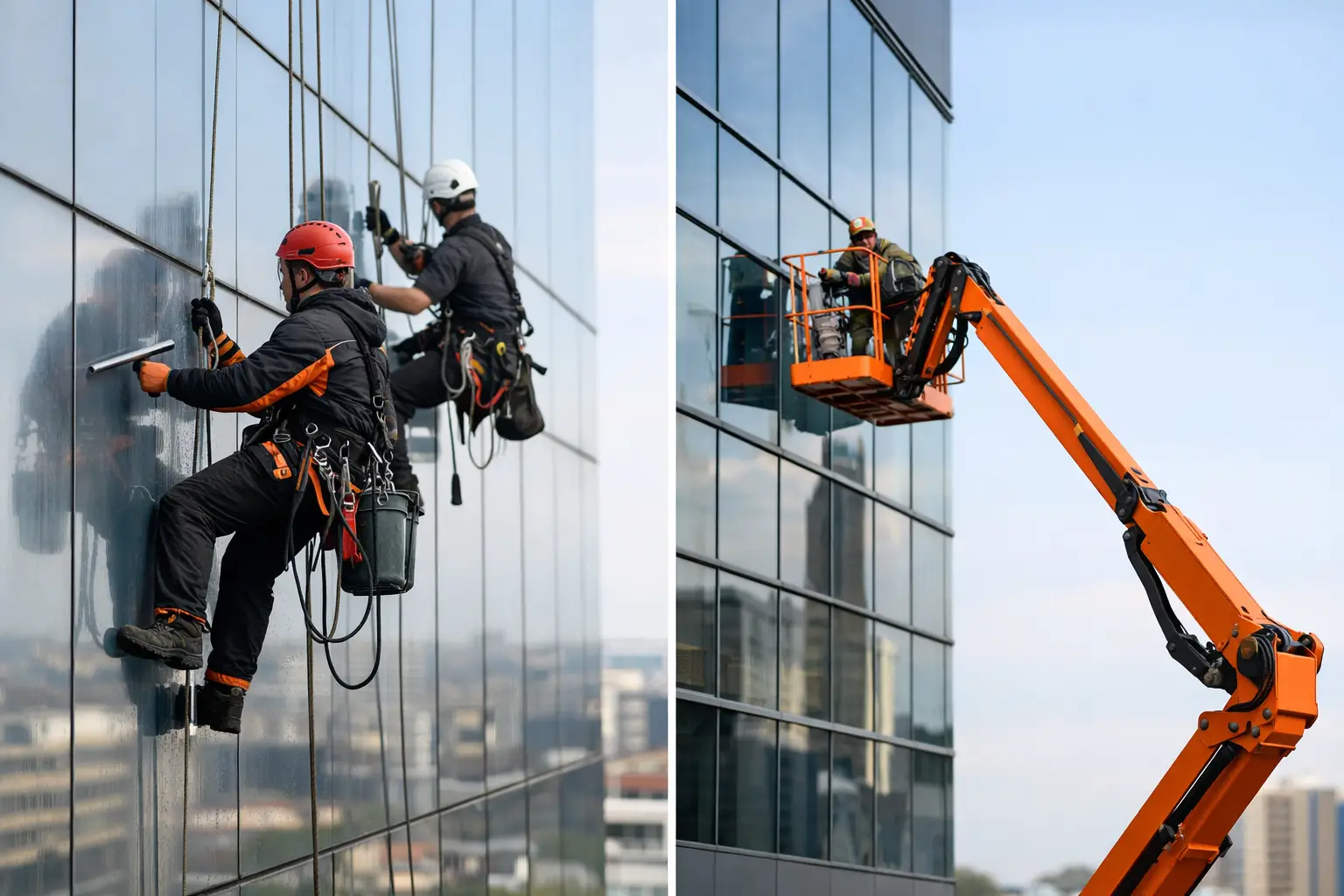
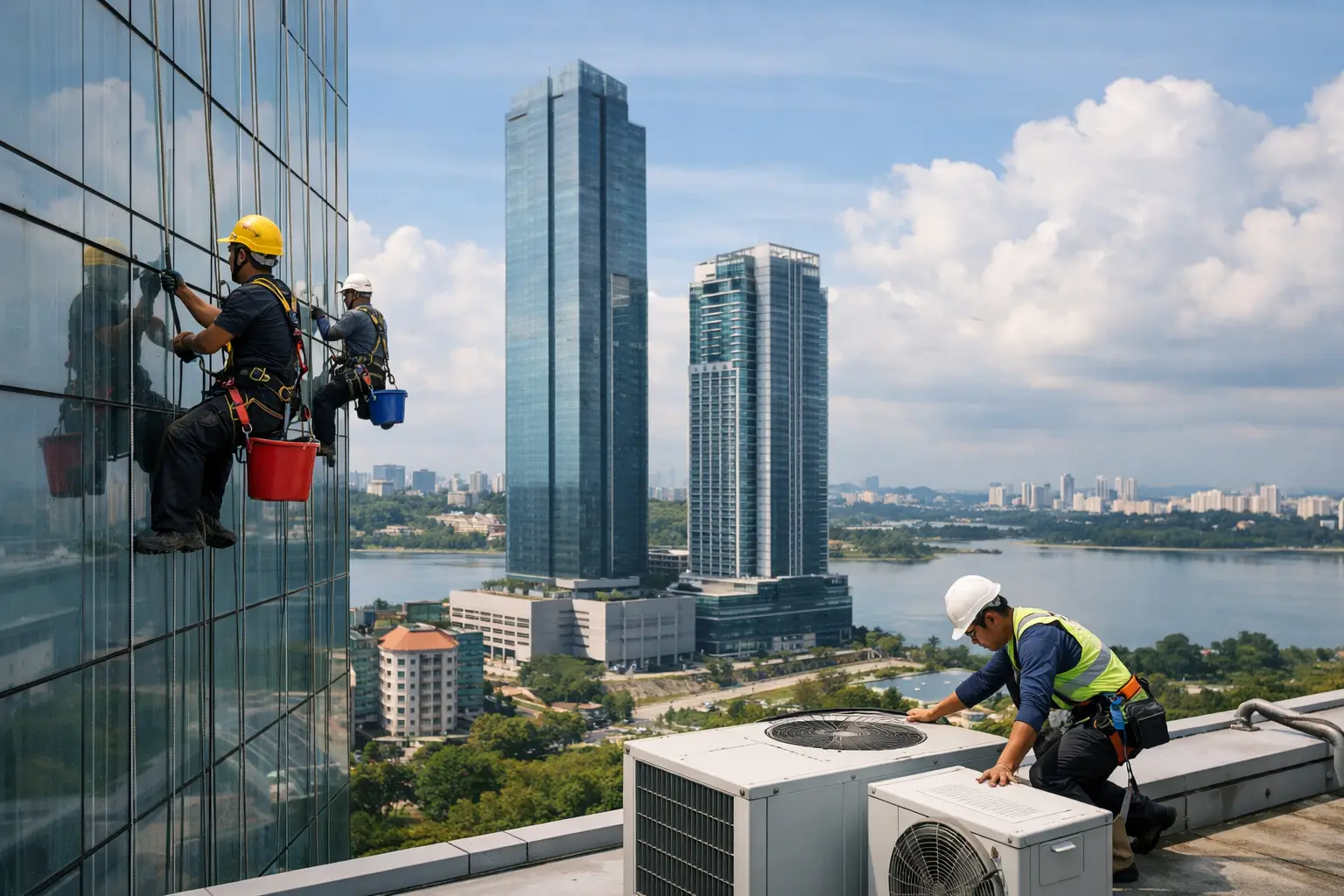
Access method also affects inspection quality. For high-rise buildings, rope access can allow close-up review of joints, coatings, anchor points, glazing interfaces, and hard-to-reach facade zones with minimal disruption. That level of proximity helps teams distinguish between superficial wear and deterioration that requires immediate intervention.
Prevention is more effective than repeated patching
The most effective response to tropical weather facade damage is planned maintenance, not isolated repair cycles. Buildings exposed to constant heat, rain, humidity, and pollution benefit from regular inspections, scheduled cleaning, and timely remediation of vulnerable joints and surface defects.
Cleaning is part of that strategy, but only when it is approached correctly. Removing dirt, algae, and pollutant buildup helps preserve appearance and can reduce moisture retention on the surface. It also makes emerging cracks, sealant defects, and coating failures easier to detect. But cleaning alone is not preservation. Without follow-up repairs where needed, the facade may look improved while the underlying weaknesses remain active.
Material selection and repair compatibility also matter. A harder patch material is not always better on an older substrate. A new coating is not automatically the right answer for a moisture-related issue. The best maintenance decisions account for the facade system, exposure level, movement behavior, and the long-term service life expected from the intervention.
What building teams should prioritize
If a building has not had a recent facade review, the first priority is to establish a clear baseline condition. That means identifying active water-entry risks, checking high-movement areas, reviewing sealant performance, and looking closely at zones with recurring staining or biological growth. From there, maintenance can be phased according to severity and operational needs.
It also helps to document facade condition after major weather periods. Repeated monsoon exposure, prolonged wet cycles, and strong storm events can reveal vulnerabilities that are easy to miss during drier periods. Buildings in dense urban environments such as Kuala Lumpur and Penang may also experience faster surface soiling and pollutant-related deterioration, which changes the cleaning and inspection rhythm needed to keep the exterior performing well.
For many assets, the smartest approach is not waiting for obvious failure. It is building a maintenance pattern that catches small defects before they affect safety, tenant comfort, or the broader repair scope. That is the kind of disciplined exterior management specialist teams like Facade by Vertical Pro Sdn Bhd are built to support.
A well-maintained facade does more than protect the building from rain and heat. It protects confidence in the asset itself. When tropical weather is constant, prevention is not extra work – it is part of responsible building stewardship.
Discuss the next step
For advice on tropical weather facade damage, request a site assessment or quotation from Vertical Pro.
A maintenance schedule should follow the building’s actual wetting and drying pattern. The climate context in METMalaysia’s explanation of Malaysia’s climate helps explain why conditions vary by location and season.


Leave a Reply