A faded facade can make a well-managed property appear neglected long before the building has a serious technical problem. Yet treating every aging exterior as a painting project can conceal defects that continue to worsen behind the new finish. Facade repainting versus restoration is therefore not simply an aesthetic choice. It is a building-management decision that affects safety, occupant confidence, maintenance planning, and the long-term performance of the exterior envelope.
For asset owners and facility teams, the right approach starts with understanding what has actually failed: the appearance of the coating, the coating system itself, or the facade components beneath it.
Facade Repainting Versus Restoration: The Core Difference
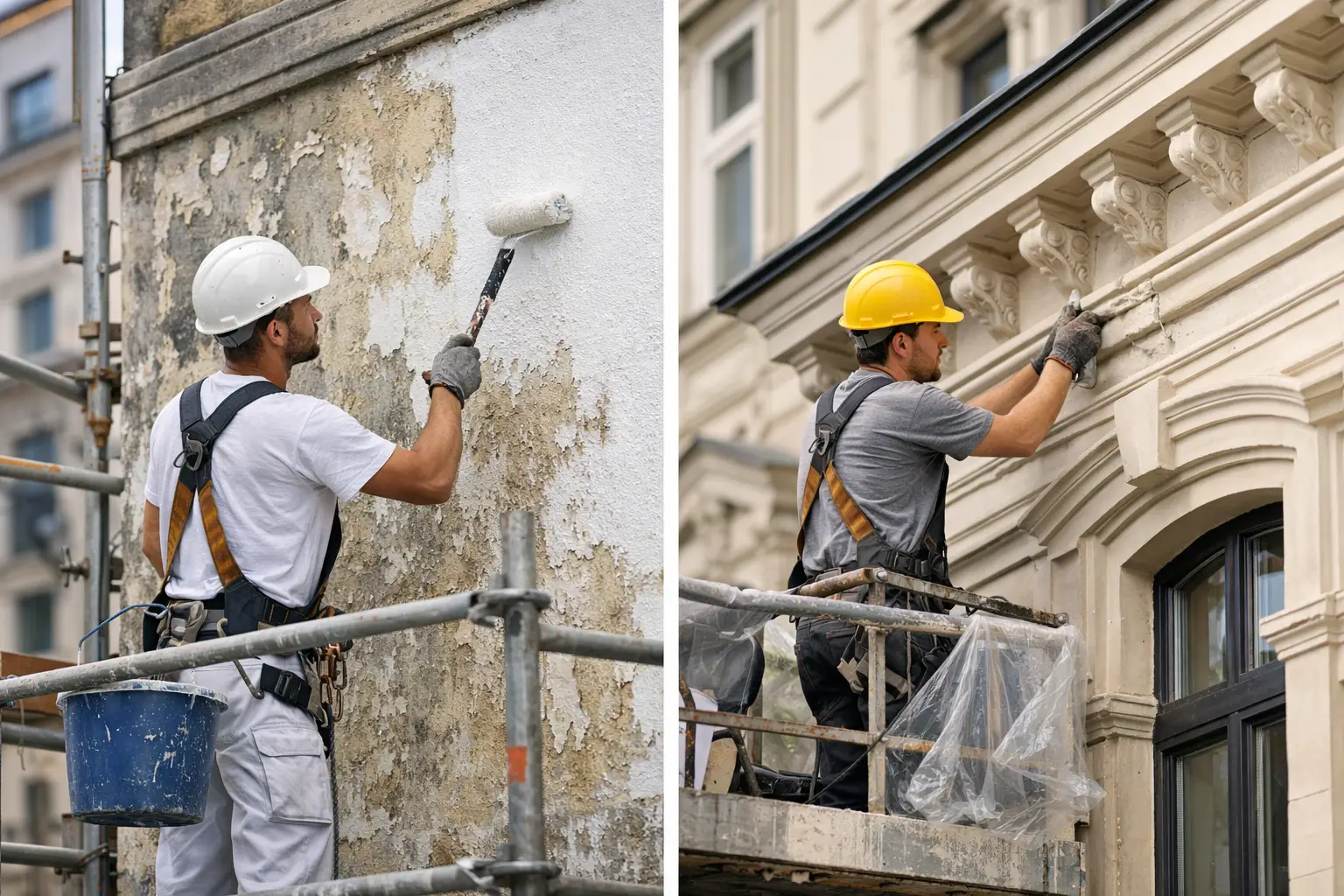
Facade repainting renews the protective and visual coating on an exterior surface. When properly specified, the work includes cleaning, surface preparation, localized repairs, primer application where required, and a compatible exterior coating system. Its primary purpose is to restore color consistency, improve weather resistance, and protect sound substrates from further surface degradation.
Facade restoration is broader and more investigative. It addresses deterioration in the facade assembly, not only the finish. Depending on the building, restoration may involve repairing cracks, treating corroded reinforcement, replacing failed sealants, repairing spalled concrete, securing loose render, replacing damaged cladding components, correcting water-ingress paths, or conserving original heritage materials.
The distinction matters because paint is a finish, not a structural repair method. A fresh coating may improve appearance and provide a degree of protection, but it cannot stabilize loose material, stop movement-related cracking, or resolve water entering through failed joints. In those cases, repainting should follow restoration work, not replace it.
When Repainting Is the Appropriate Scope
Repainting is often suitable when inspection confirms that the substrate is stable and defects are limited to normal coating wear. Common signs include color fading from ultraviolet exposure, chalking paint, minor stains, patchy gloss, and isolated areas of peeling caused by aged coatings rather than active moisture problems.
In Malaysia’s hot, humid, and high-rainfall conditions, even a sound facade coating can deteriorate faster than expected. Heat, driving rain, airborne pollutants, biological growth, and repeated wet-dry cycles place continuous stress on exposed walls. High-rise buildings may also show uneven weathering, with elevation, orientation, overhangs, and nearby traffic influencing where discoloration appears first.
A repainting program can be a practical preventive measure when it is based on good preparation. Surfaces must be cleaned appropriately, loose paint removed, minor cracks assessed and treated, and compatible materials selected for the existing substrate. Applying a new coat over dirt, chalking residue, moisture, or failed previous coatings may produce a short-lived improvement and create a larger maintenance task later.
Repainting is generally a sensible option when the building has no evidence of active water ingress, major cracking, hollow render, concrete spalling, or displaced facade elements. The coating should be viewed as one part of a maintenance plan, supported by periodic cleaning and inspections.
When Restoration Should Come First
Restoration becomes necessary when the facade shows signs that deterioration extends beyond the coating layer. Cracks that widen, recur, or follow structural lines require investigation before they are filled and painted. Likewise, rust staining, exposed reinforcement, broken concrete edges, hollow-sounding render, failed movement joints, and persistent damp patches point to conditions that paint alone cannot correct.
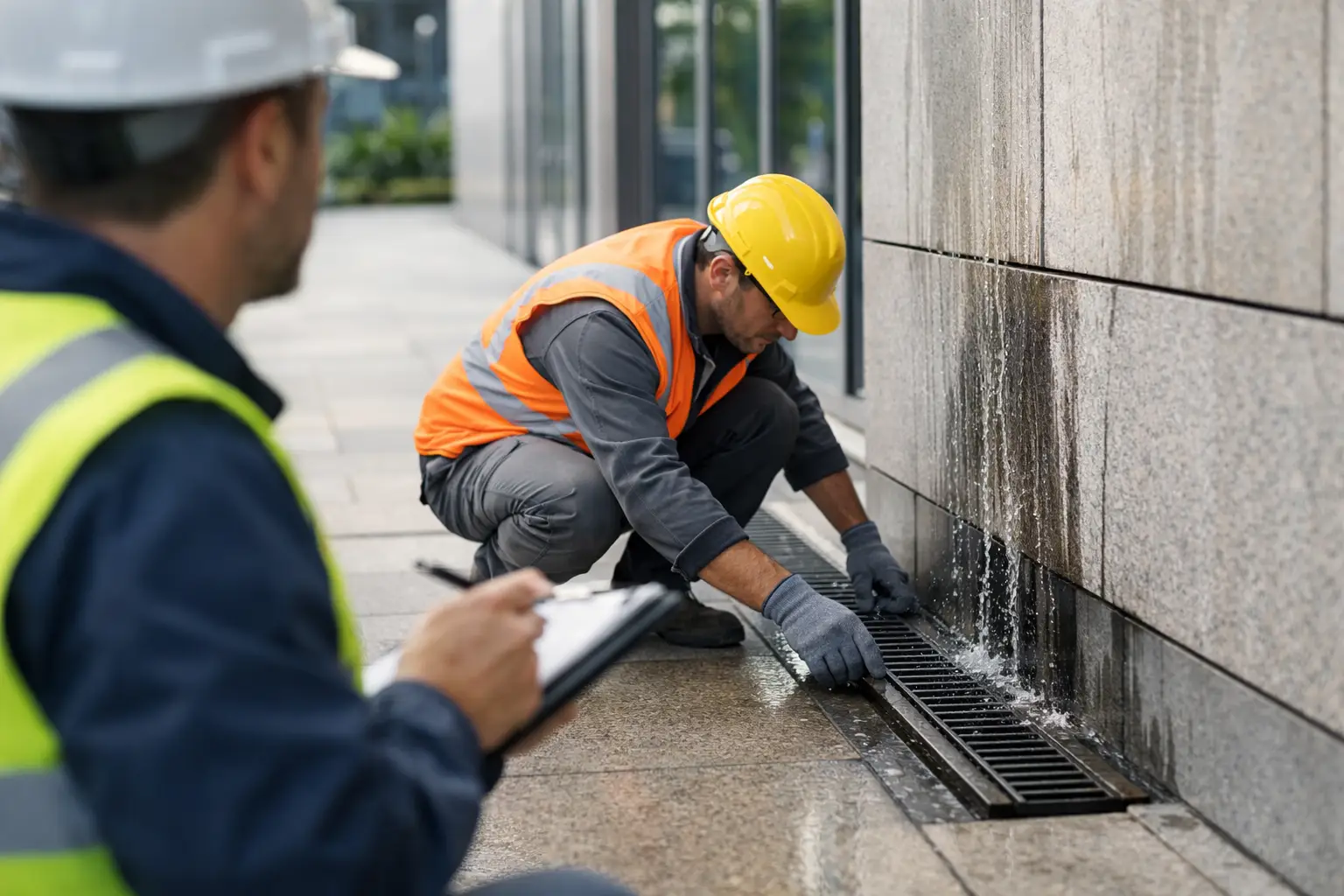
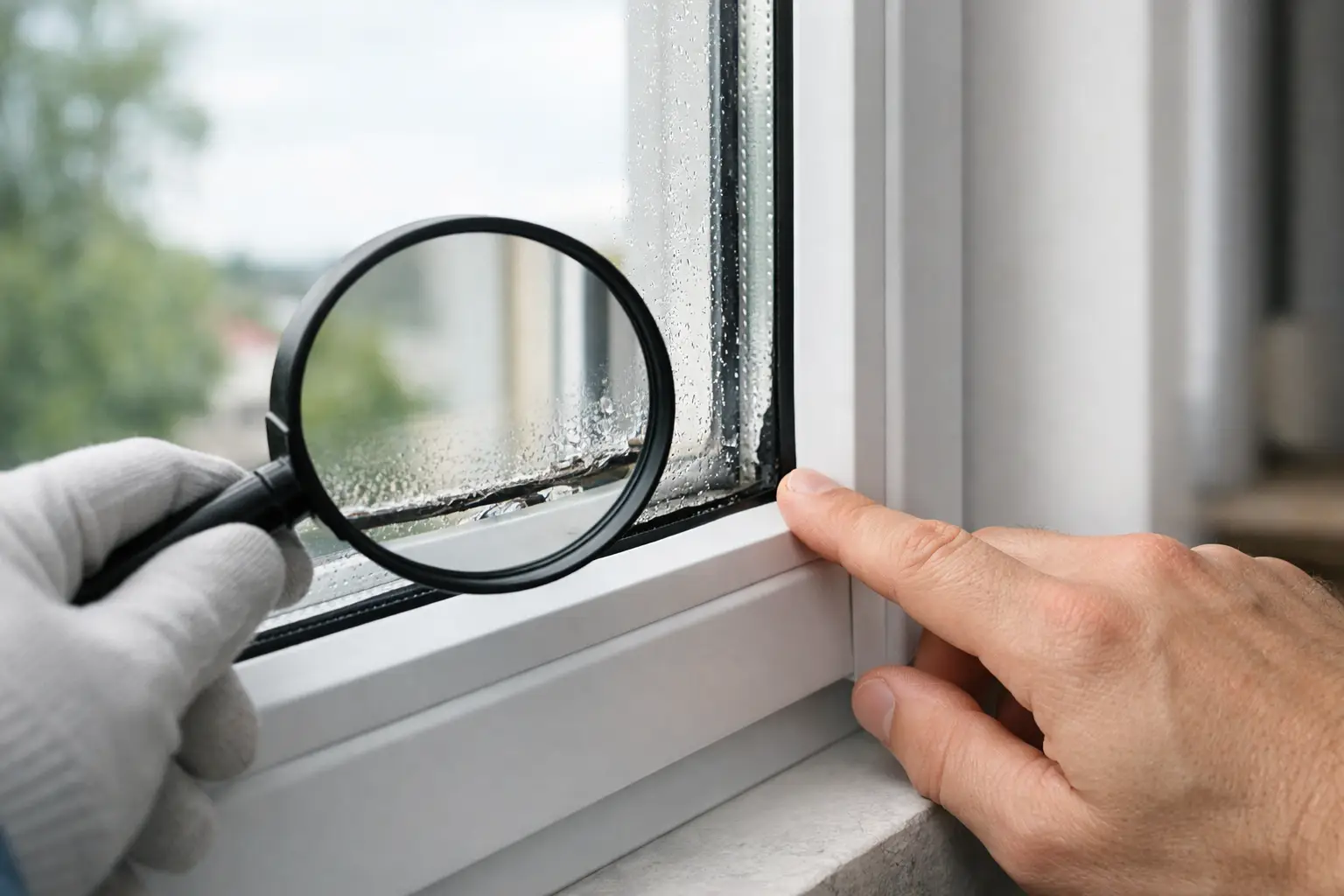
Water management is often central to restoration decisions. Water can enter through deteriorated sealants, poorly detailed joints, cracks, failed flashings, or defects around windows and penetrations. Once moisture reaches the substrate, it may lead to corrosion, mold growth, efflorescence, coating failure, and progressive damage to concrete or masonry. Covering the surface without tracing the moisture path risks trapping the visible symptom while allowing the underlying defect to continue.
On cladded buildings, restoration may involve checking panel fixings, gaskets, sealants, anchors, and areas around interfaces between different materials. On rendered or painted concrete facades, the focus may be on substrate integrity, crack behavior, carbonation-related deterioration, and corrosion risks. Each facade system ages differently, which is why a generic repair scope can be inadequate for complex properties.
Heritage buildings require additional care. Their original finishes, masonry, decorative features, and repair history may call for conservation-led methods rather than modern coating solutions alone. The objective is not merely to make the facade look newer. It is to preserve character while addressing the causes of deterioration with materials and techniques suited to the original construction.
Start With a Condition Assessment, Not a Color Choice
The most reliable way to decide between repainting and restoration is to commission a condition assessment before work is specified. A professional assessment identifies the extent, pattern, and likely cause of visible defects. It also helps distinguish cosmetic aging from conditions that could affect safety or building performance.
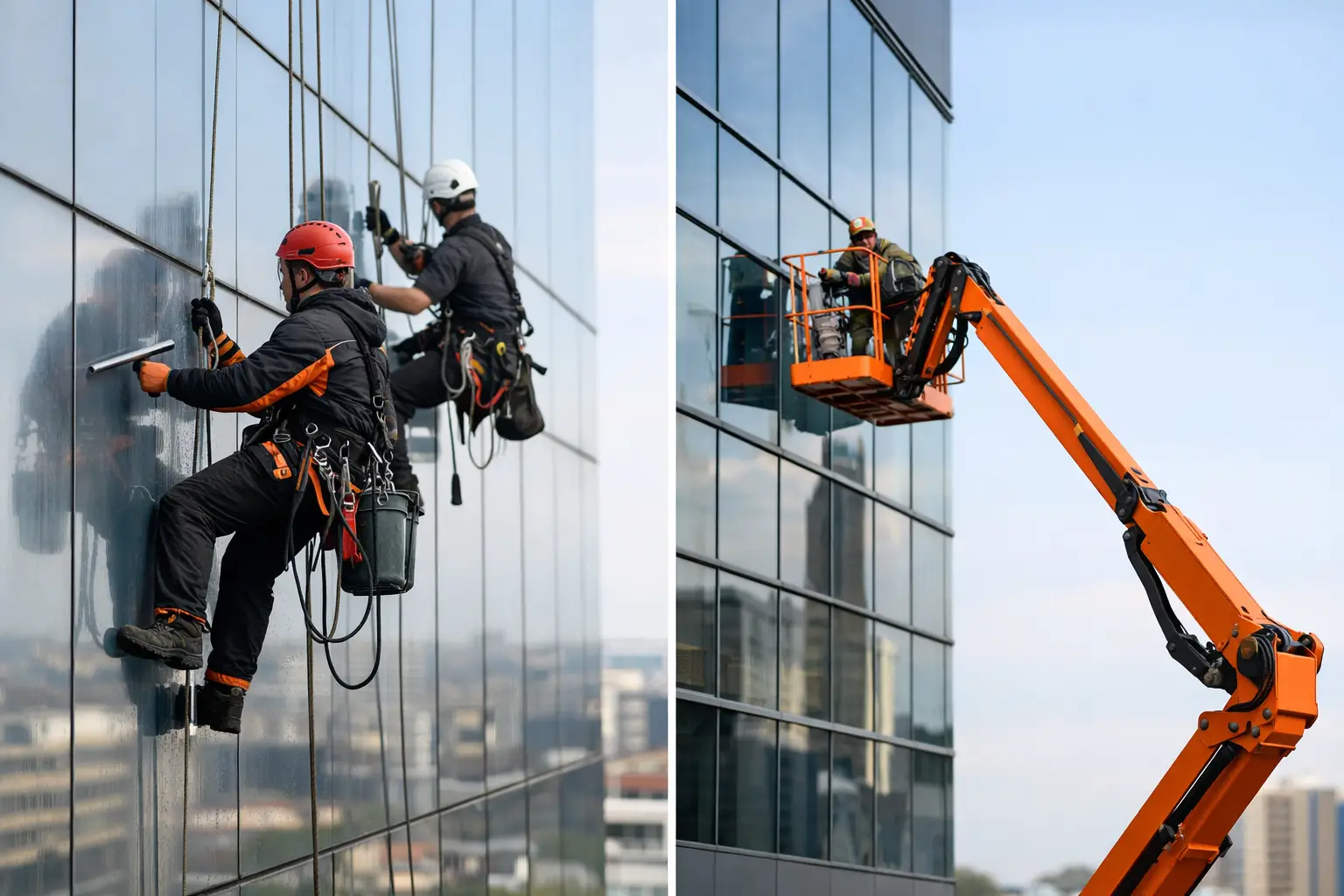
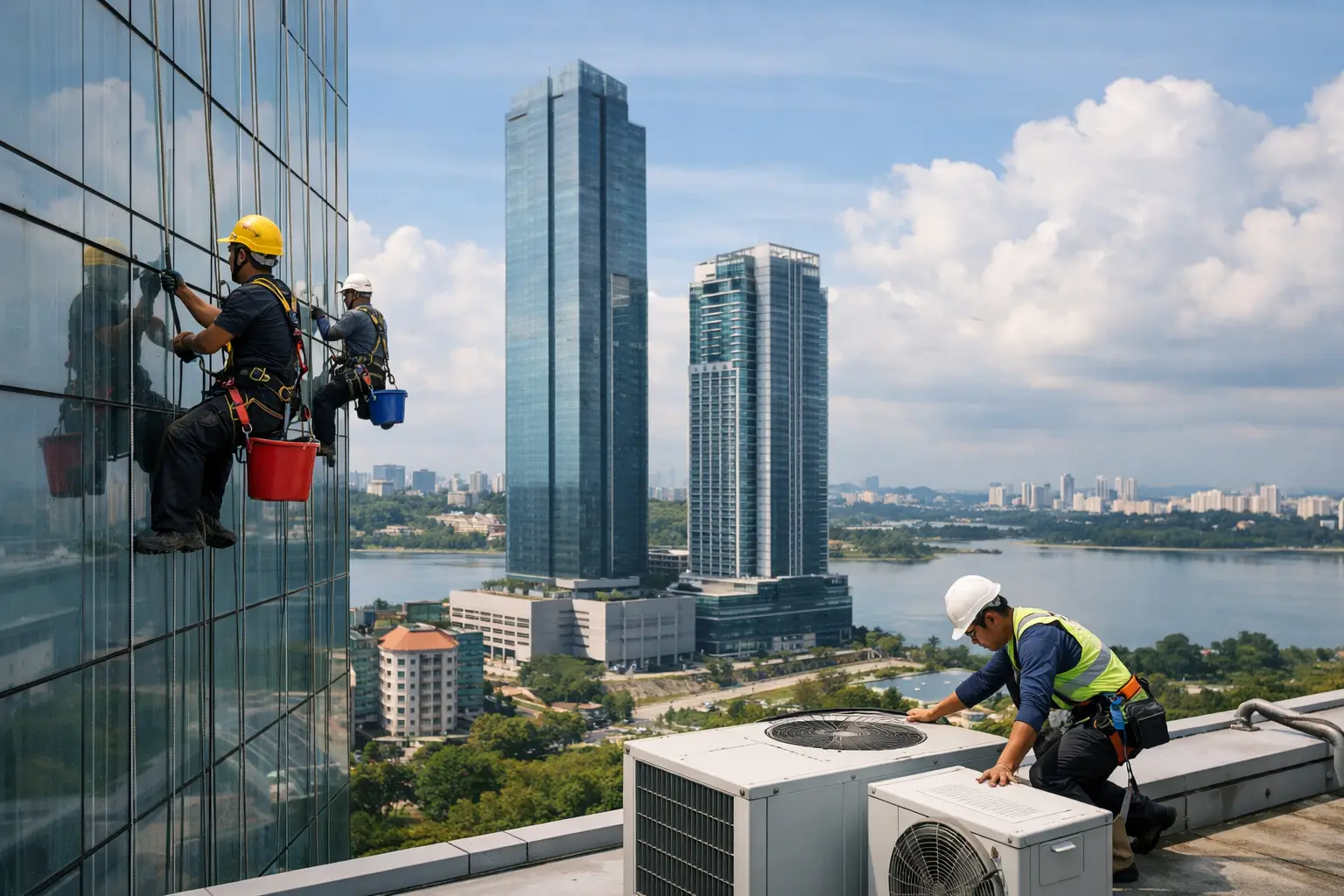
For mid-rise and high-rise properties, access is part of the assessment challenge. Ground-level observations rarely reveal the full condition of upper elevations, parapets, ledges, joints, and recessed facade areas. Rope access can allow trained technicians to inspect difficult locations closely while minimizing disruption around occupied buildings. It is particularly useful for targeted investigations where broad access systems are unnecessary or impractical.
A meaningful assessment should consider the facade material, previous coating history, crack locations, moisture indicators, sealant condition, drainage paths, and exposure to sun and rain. It should also review whether defects are isolated or repeated across multiple elevations. A localized stain may call for cleaning and minor repair. The same stain appearing beneath repeated joints may indicate a system-wide water-management issue.
A Practical Decision Framework for Building Teams
Building managers do not need to diagnose every defect themselves, but they should recognize the questions that shape the maintenance scope. First, ask whether the issue is superficial or whether it involves the substrate. Then ask whether water, movement, corrosion, or failed joints are contributing to the damage. Finally, determine whether the apparent defect is isolated or part of a recurring pattern.
Repainting is usually appropriate when the existing facade is stable, surface defects are minor, and the main goal is to renew protection and appearance. Restoration is more appropriate when defects compromise adhesion, permit water ingress, affect concrete or masonry, create falling-object risks, or suggest that components are no longer performing as intended.
There are also mixed-scope projects. A building may need concrete repairs and sealant replacement on weather-exposed elevations, followed by repainting across the full facade to achieve a consistent finish. This is often the most sensible approach for properties where defects are concentrated in certain locations but coating life has declined across the building.
Why Surface Preparation Determines the Result
Whether the project is repainting or full restoration, surface preparation determines whether the completed work performs over time. Cleaning removes pollutants, algae, biological growth, and loose contaminants that interfere with coating adhesion. Defective material must be removed to a sound substrate, repairs allowed to cure as required, and transitions between old and repaired areas carefully prepared.
Material compatibility also matters. Coatings, primers, fillers, sealants, and repair mortars need to work with the existing facade and with one another. An incompatible coating can blister, trap moisture, or fail prematurely. A rigid repair material used in an area subject to movement can crack again. The correct system depends on the building’s construction, exposure, condition, and maintenance objectives.
For occupied commercial towers and residential developments, work planning must also account for access, public protection, tenant operations, and weather. Safe rope access procedures, exclusion zones, controlled material handling, and clear sequencing are operational essentials, not secondary details. A technically sound repair is only successful when it can be completed safely and with disciplined site control.
Avoid the False Economy of Cosmetic Repairs
A facade that looks better immediately after painting can still be deteriorating below the surface. This is why visual improvement alone should not be used as proof that a problem has been resolved. If peeling returns quickly, stains reappear after rain, cracks reopen, or paint blisters in the same areas, the building is signaling that the cause has not been addressed.
Planned facade maintenance reduces the likelihood of reaching that point. Regular cleaning makes defects easier to see, while periodic inspections allow minor coating failures, joint issues, and localized repairs to be addressed before they spread. For high-rise assets, a documented facade maintenance plan also supports more informed decisions about access, repair priorities, and future capital works.
The best choice is not the one that changes the building’s appearance fastest. It is the one that responds to the actual condition of the facade, protects occupants and the public, and gives the exterior a defensible path to long-term performance. When the diagnosis is clear, repainting becomes a valuable protective measure and restoration becomes a targeted investment in the building’s continued integrity.
Discuss the next step
For advice on facade repainting vs restoration, request a site assessment or quotation from Vertical Pro.
Before appointing a method of access, assess the task, exposure, working area and emergency arrangements. DOSH Malaysia’s fall-prevention guidance explains the fall-prevention principles that support this review.

Leave a Reply