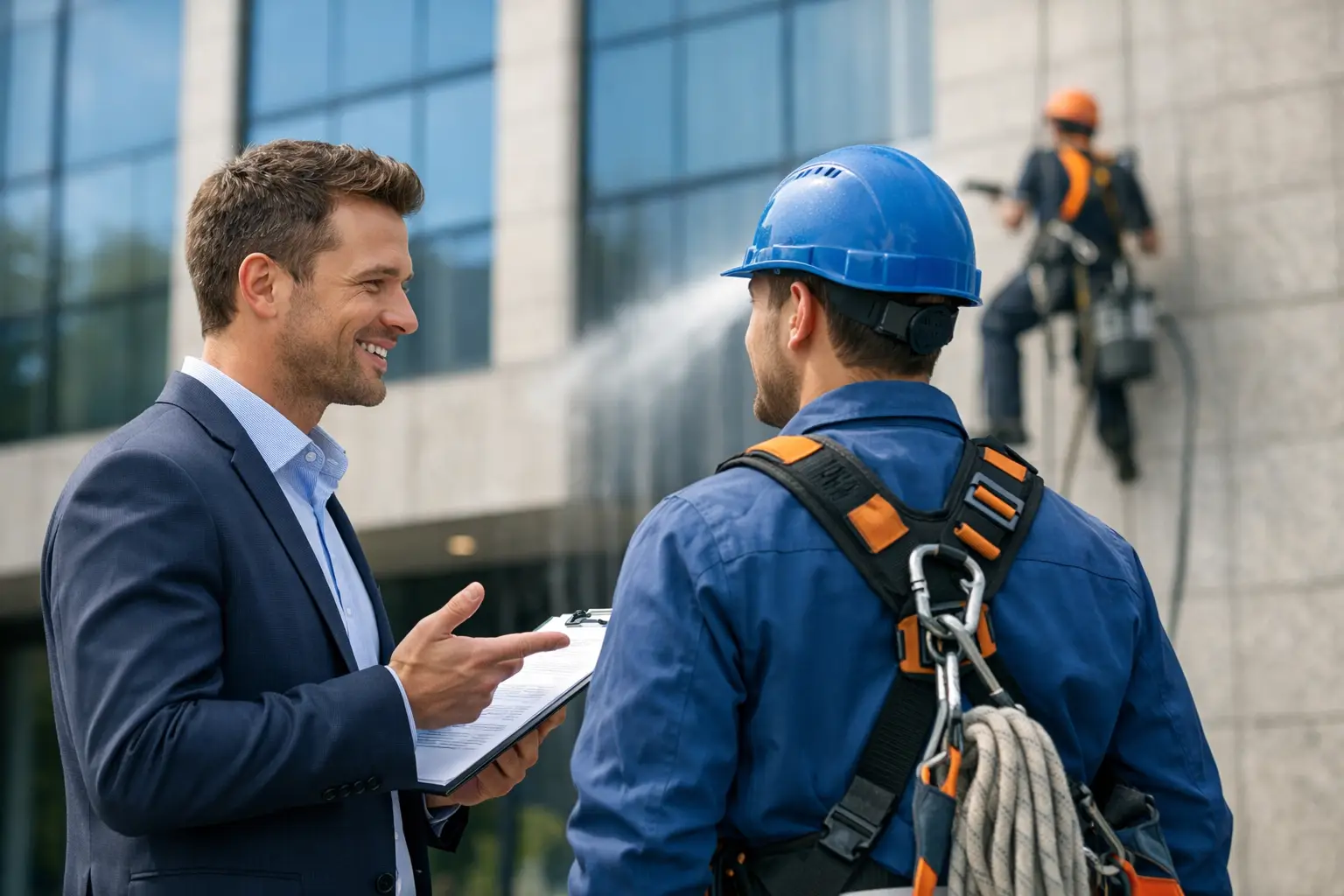
A stained facade does more than make a building look neglected. It can signal deeper maintenance gaps, accelerate material wear, and create avoidable risk for owners and managers responsible for the asset. Choosing the right building exterior cleaning company is not simply about getting surfaces washed. It is about protecting appearance, preserving facade performance, and making sure the work is carried out safely on complex structures.
For commercial towers, residential developments, and architecturally sensitive buildings, exterior cleaning should be treated as part of a broader facade maintenance strategy. The right provider helps you address visible dirt, pollution staining, biological growth, and water runoff marks without causing damage to coatings, sealants, glazing, stone, or metal panels. That distinction matters, especially on mid-rise and high-rise properties where access, material compatibility, and safety controls cannot be improvised.
What a building exterior cleaning company should actually do
Many service providers describe exterior cleaning as a general maintenance task. In practice, the work is far more specialized when the building has height, difficult access zones, or a facade system with mixed materials. A capable building exterior cleaning company should understand the difference between surface-level washing and facade-specific care.
That means assessing what is causing the staining, how the substrate will react to water pressure or chemical exposure, and what access method is appropriate for the structure. Glass curtain walls, painted surfaces, natural stone, aluminum cladding, and precast concrete all respond differently to cleaning methods. A poor process can leave etching, streaking, coating failure, water ingress risks, or damage around joints and sealant lines.
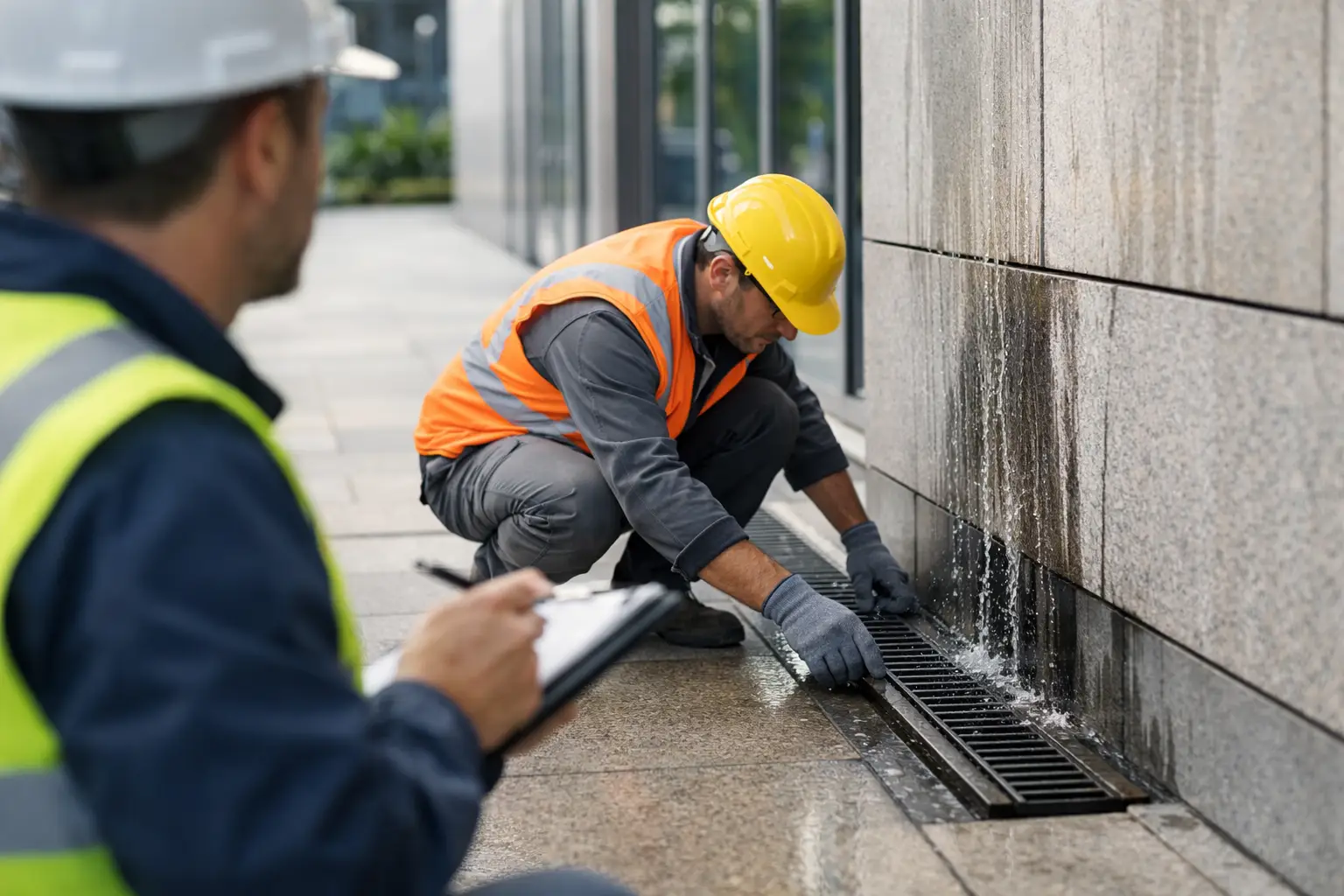
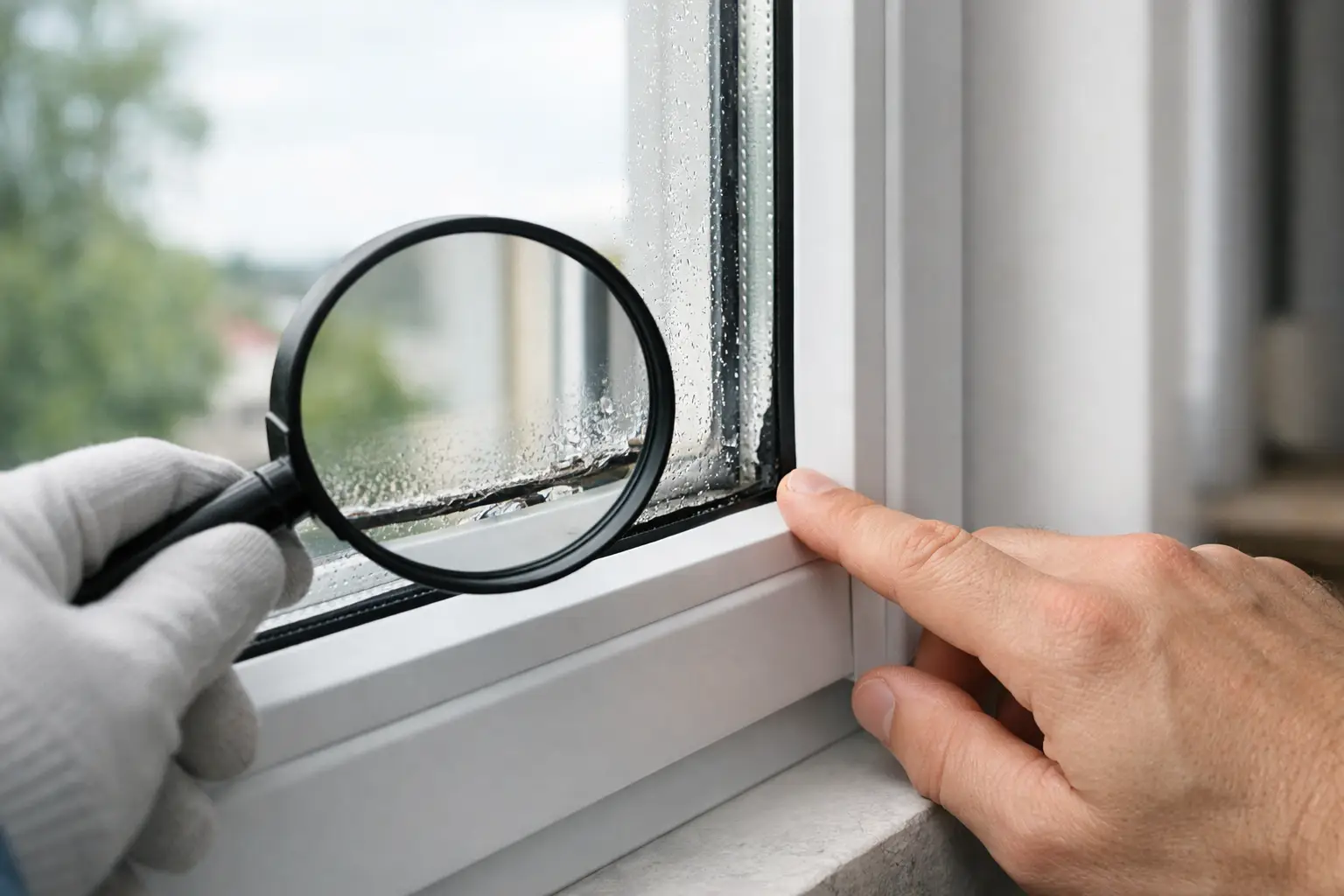
A professional provider should also recognize when cleaning is revealing a larger issue. Dirt buildup may be the visible symptom, but failed sealants, drainage problems, corrosion, biological growth, and localized facade deterioration often sit behind the appearance problem. In those cases, cleaning alone is not the full answer.
Why specialization matters for high-rise buildings
Not every contractor is equipped to work on tall or architecturally complex buildings. High-rise exterior cleaning involves more than manpower and equipment. It requires structured planning, work-at-height competence, rescue readiness, and an understanding of how the building envelope behaves over time.
This is where specialization becomes valuable. A facade-focused contractor is more likely to evaluate anchor points, suspended access constraints, rope access feasibility, weather exposure, and operational disruptions before work begins. They are also more likely to identify facade defects during cleaning rather than simply wash over them.
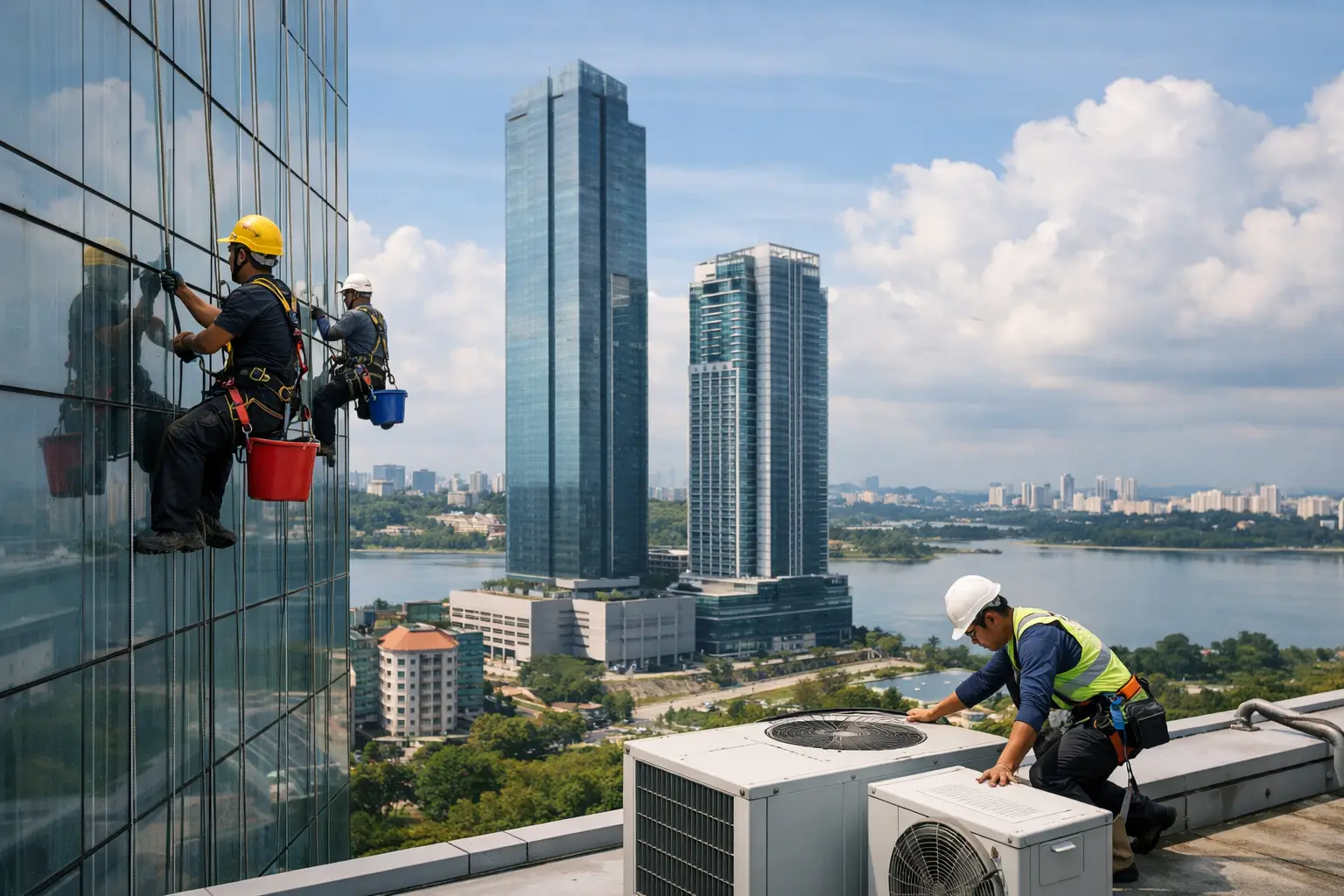
In dense urban environments, especially in parts of Malaysia where heat, humidity, rain, and airborne pollutants accelerate exterior wear, cleaning frequency and method need to match local conditions. Buildings near major roads, coastal zones, or active construction corridors often accumulate grime differently. A one-size-fits-all maintenance approach usually leads to inconsistent results or premature facade aging.
How to assess a building exterior cleaning company
The easiest mistake is to compare providers only by surface outcome. A clean facade at handover does not tell you whether the methods were appropriate or whether the work reduced long-term risk. The better approach is to look at technical capability, safety discipline, and facade understanding together.
Start with experience on buildings that resemble yours. A contractor that mainly handles low-rise retail units may not be suitable for a residential tower or office facade with suspended access challenges. Ask whether they have worked on comparable heights, material types, and occupancy conditions.
Then look at how they talk about the facade itself. A specialist should ask informed questions about cladding materials, coatings, visible defects, drainage staining, access limitations, and previous maintenance history. If the conversation begins and ends with washing methods, that is usually a sign of a narrow service mindset.
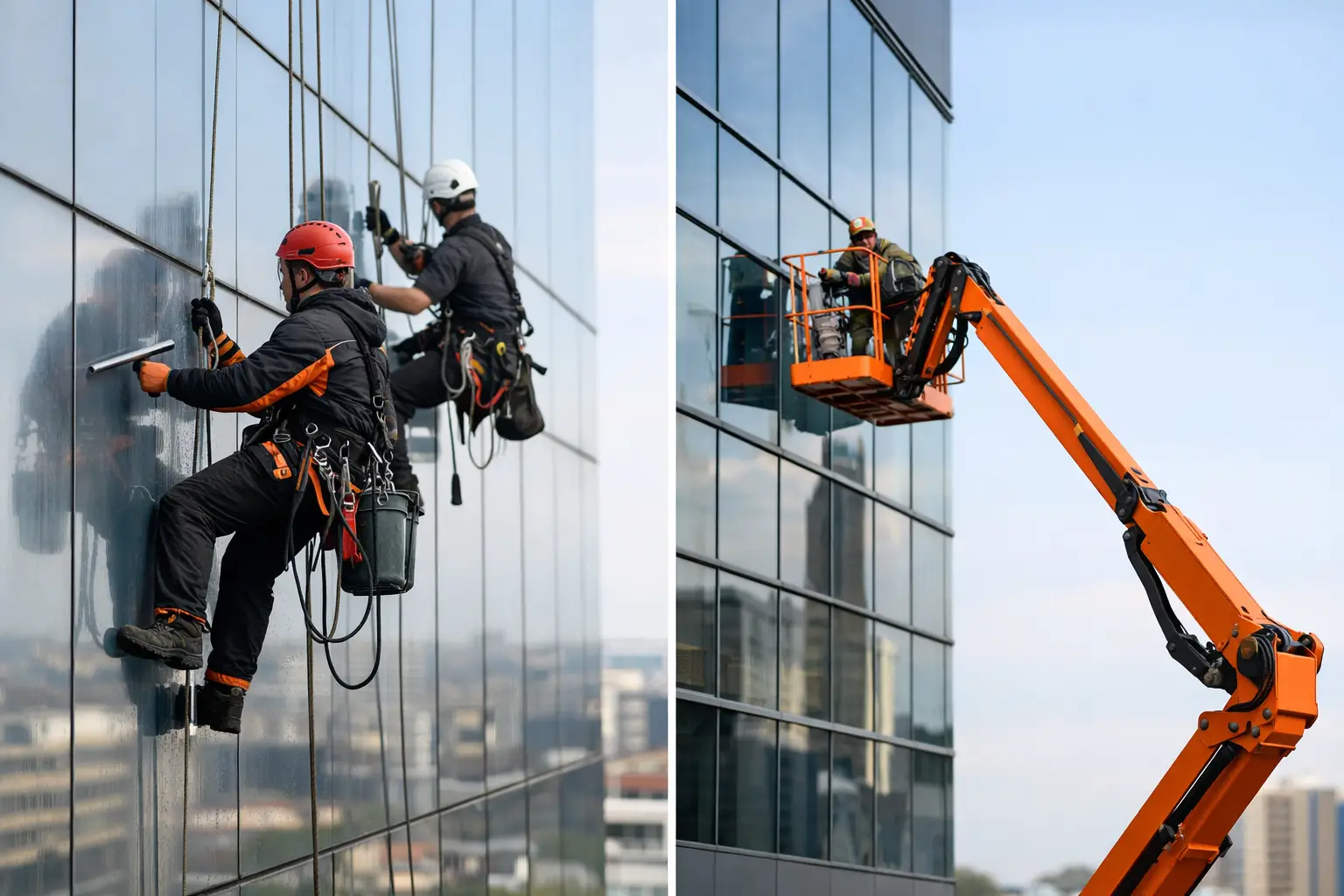
Safety should be equally visible in the evaluation. Exterior cleaning at height should involve clear method statements, risk controls, trained personnel, and the right access planning for the building. Rope access, gondolas, boom lifts, and other systems each have their place, but the correct choice depends on the facade design and working environment. A dependable contractor explains why a specific access method is being used and how it supports both safety and efficiency.
Questions worth asking before you appoint a contractor
A good selection process does not need to be complicated, but it should be deliberate. Ask how the company determines the right cleaning method for different facade materials. Ask what signs of deterioration they look for before and during cleaning. Ask how they manage work around occupants, traffic flow, and daily building operations.
It also helps to ask what happens if the team finds facade defects mid-project. On many buildings, cleaning exposes cracked sealant, failed joints, loose components, or surface breakdown that was not obvious from the ground. A contractor with facade maintenance knowledge can flag those issues early, helping you avoid a cycle where cosmetic cleaning masks technical problems.
Another useful question is whether the company sees exterior cleaning as a one-off task or part of a planned maintenance program. The right answer depends on the building, but in most cases, periodic cleaning works best when aligned with inspections and preventive upkeep.
Red flags to watch for
Some warning signs appear early. If a provider gives a confident recommendation without asking about facade materials, access constraints, or building height, the assessment is probably too shallow. Exterior cleaning should never be treated as identical across all properties.
Another red flag is overreliance on aggressive methods. High pressure may remove dirt quickly on some surfaces, but it can also damage coatings, force water into vulnerable areas, and shorten the life of facade elements. Strong chemical use carries similar trade-offs. Effective cleaning is not about maximum force. It is about the right method for the right substrate.
Be cautious if safety is described in generic terms. On a high-rise building, safety planning should be specific, not promotional. The contractor should be able to explain access procedures, work sequencing, environmental considerations, and controls for occupied sites.
Finally, watch for providers who clean without documenting condition. Even a simple pre-work assessment and post-work observation process adds value because it gives building teams better visibility into facade performance.
The link between cleaning and long-term asset protection
Exterior cleaning is often viewed as an appearance issue first. In reality, it is closely tied to asset protection. Pollutants, moisture retention, fungal growth, and organic staining can contribute to faster material degradation if left unmanaged. Regular cleaning helps remove contaminants before they become harder to treat or begin affecting surface performance.
There is also an operational benefit. Buildings with a structured facade care program are easier to monitor. Patterns of staining, recurring runoff marks, and localized discoloration can point to maintenance defects that deserve investigation. When the facade is routinely cleaned and observed, those signals are easier to catch.
For commercial and residential stakeholders, that matters because facade failure is rarely sudden without warning. More often, the warning signs are there but obscured by dirt, inconsistent maintenance, or lack of specialist review.
When cleaning should be paired with facade expertise
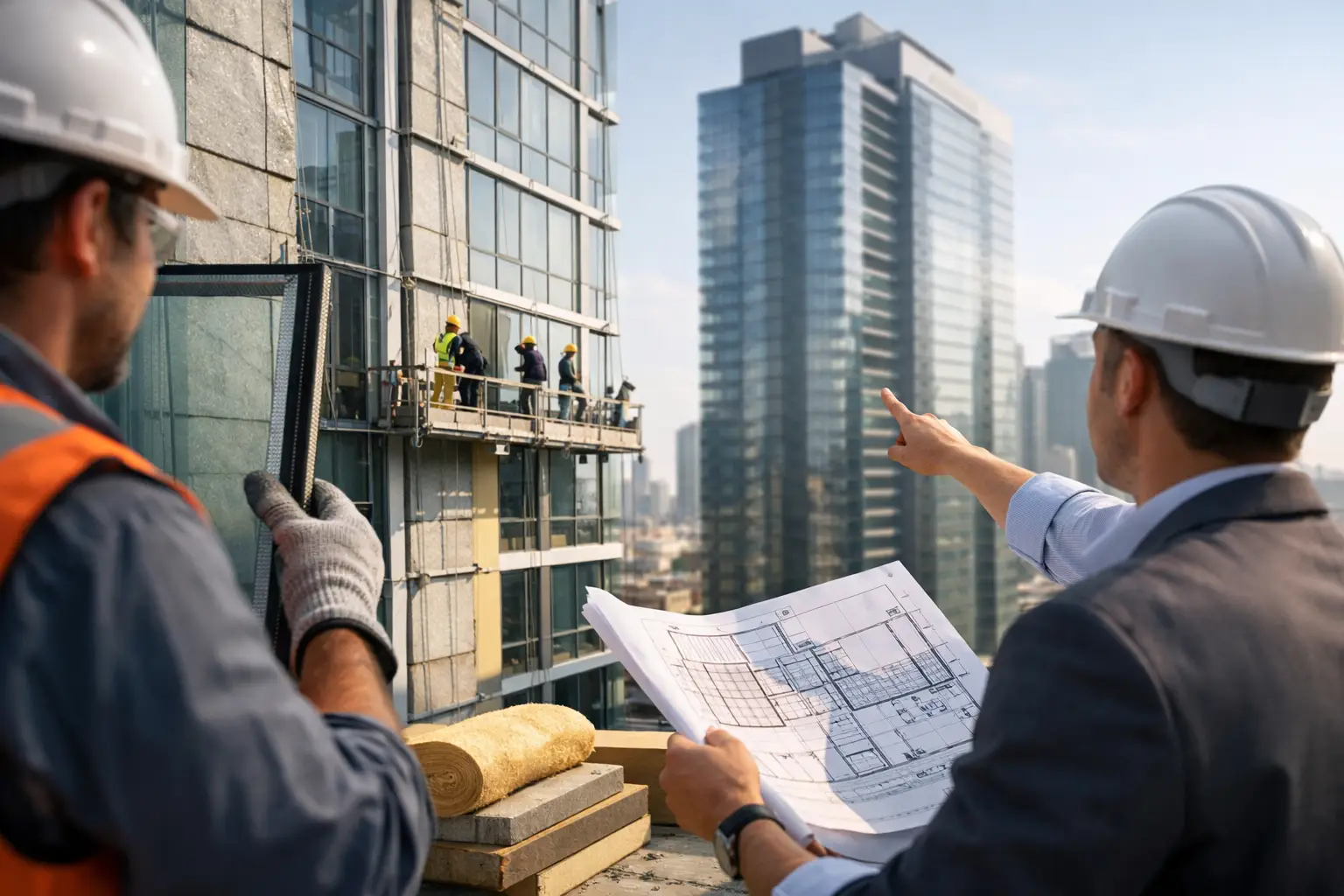
Some buildings need more than a cleaning contractor. If your property has recurring stains, aging sealants, water intrusion concerns, fragile finishes, or hard-to-reach defect zones, you may need a facade specialist who can combine cleaning with inspection insight.
This is especially relevant for older towers, landmark properties, and buildings with mixed facade systems. A specialist team can identify whether the issue is cosmetic, environmental, or linked to envelope deterioration. That changes the decision from simple cleaning to informed facade care.
For property managers and owners in Malaysia, where exterior surfaces are exposed to heavy rainfall, heat, humidity, and urban pollution, this combined view is especially practical. Cleaning should improve appearance, but it should also support the building’s long-term maintenance record. That is the approach companies such as Facade by Vertical Pro Sdn Bhd are built around – treating facade cleaning as part of a broader responsibility to preserve performance, safety, and presentation.
Choosing for reliability, not just appearance
A clean exterior is the visible result, but reliability is the real benchmark. The right contractor helps you maintain the building without creating new risks, damaging materials, or overlooking early signs of facade distress. They understand that access planning, substrate knowledge, and safety execution are not separate from cleaning quality. They are what make cleaning quality possible.
If you are evaluating a building exterior cleaning company, look beyond the wash itself. Look for a team that understands facades as building systems, not just surfaces. That perspective usually leads to better decisions, fewer maintenance surprises, and a property that continues to perform as well as it presents.
Discuss the next step
For advice on building exterior cleaning company, request a site assessment or quotation from Vertical Pro.
Facade work should not begin until access, exclusion zones, supervision and rescue arrangements are clear. These controls are covered in DOSH Malaysia’s fall-prevention guidance.
Leave a Reply