
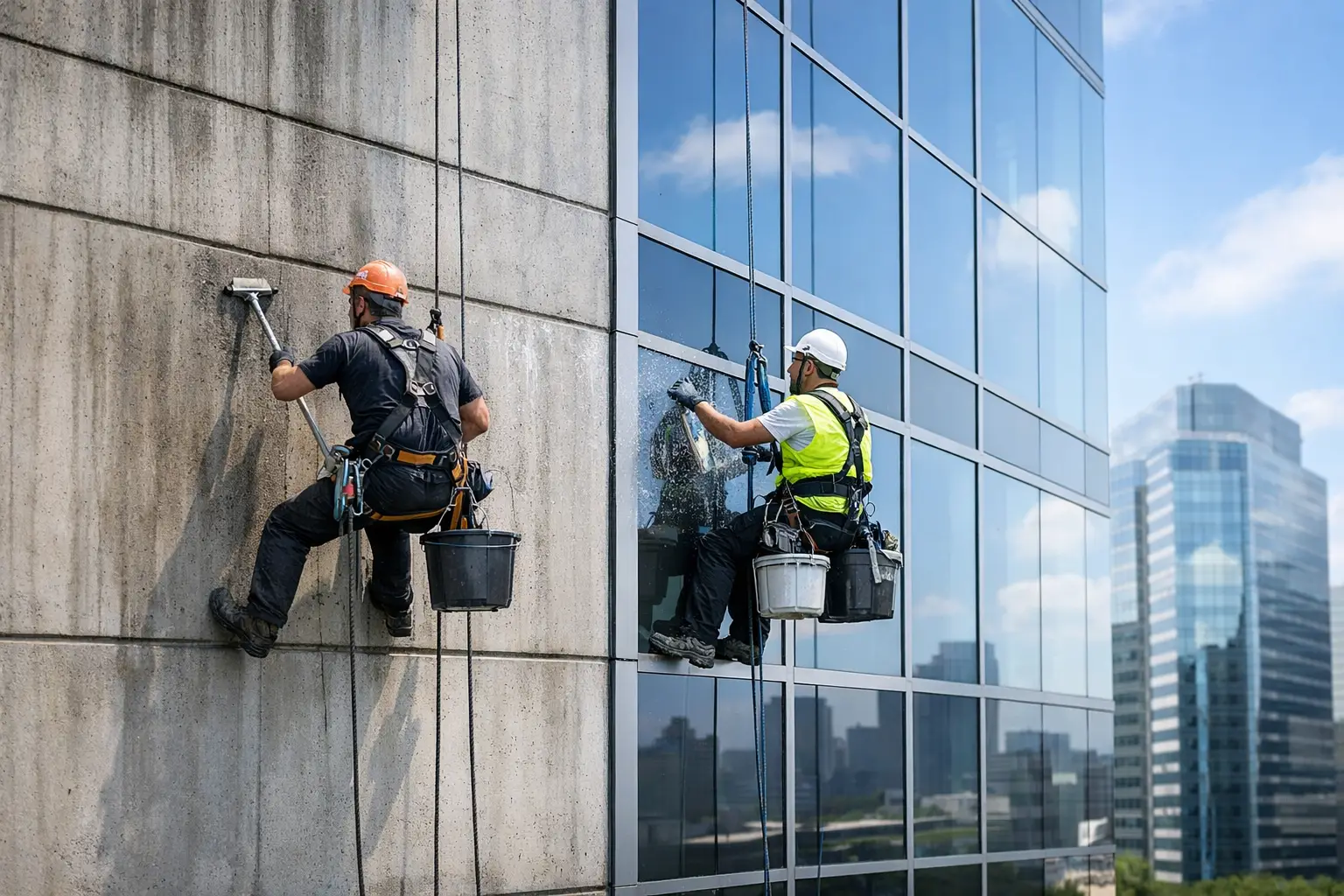
Facade problems usually develop gradually, often starting with water marks below a joint, staining on a cladding panel, hairline cracks near an edge, or sealant that has quietly hardened and pulled away. For building owners and managers, that is exactly why facade maintenance matters – small exterior issues tend to grow into larger performance, safety, and reputation problems when they are left untreated.
For commercial towers, residential developments, and architecturally significant properties, the facade is not just the outer skin of the building. It is a working system. It manages exposure to sun, rain, wind, movement, and pollution every day. When that system is maintained properly, it protects the structure, supports tenant confidence, and helps preserve the long-term condition of the asset. When maintenance is delayed, the building begins to show it in ways that are both visible and operational.
Why Facade Maintenance Matters Beyond Appearance
Appearance is usually the first reason people notice facade problems, but it is rarely the most important one. A stained exterior, algae growth, or patchy discoloration can affect how a property is perceived by tenants, visitors, and investors. That matters, especially for premium office buildings, residential towers, and properties where presentation supports occupancy and brand image.
Still, the deeper issue is performance. Facade systems are constantly exposed to environmental stress. In Malaysia, heavy rainfall, high humidity, strong UV exposure, and urban pollutants accelerate wear on sealants, coatings, joints, anchors, glazing, and surface finishes. What looks like a cleaning issue can also be a sign of moisture intrusion. What appears to be minor cracking may point to movement, aging materials, or localized failure.
Regular facade maintenance helps identify these early warnings before they affect wider building operations. That is where value is created – not only by keeping the exterior presentable, but by reducing the risk of deterioration spreading into harder-to-manage areas.
Safety Is One of the Clearest Reasons Why Facade Maintenance Matters
For any mid-rise or high-rise building, facade safety cannot be treated as cosmetic upkeep. Loose elements, deteriorated sealants, unstable render, damaged cladding components, and water-weakened substrates can all create risk. In dense urban settings, even small failures at height have serious consequences for occupants, pedestrians, nearby vehicles, and property managers responsible for the site.
Maintenance plays a preventive role here. Scheduled inspections, targeted repairs, and professional access to difficult elevations make it possible to catch defects before they become hazards. This is especially important on buildings where issues are not visible from ground level or where deterioration is concentrated in corners, parapets, ledges, joints, and other exposed transition points.
There is also a practical reality many teams face: once visible facade damage appears, the underlying issue may already be more advanced than expected. Water may have traveled behind finishes. Corrosion may have started where fixings are concealed. Sealant failure may have affected adjacent materials. A proactive maintenance approach gives building stakeholders better control over these conditions.
Access Challenges Make Delay More Risky
One reason facade issues are often postponed is access. Exterior defects at height are harder to inspect, document, and repair than interior problems. But difficulty of access does not reduce the urgency. It increases it.
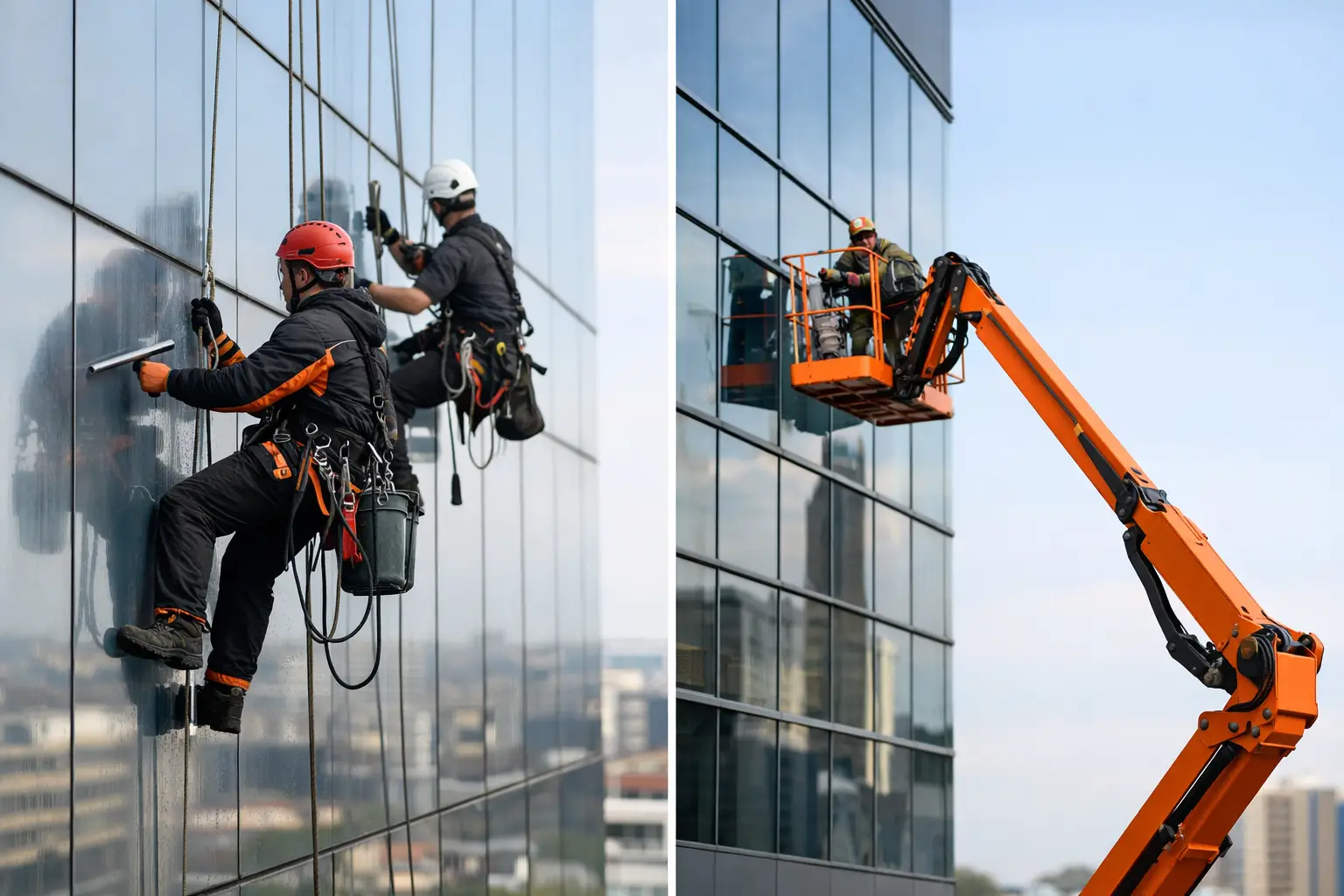
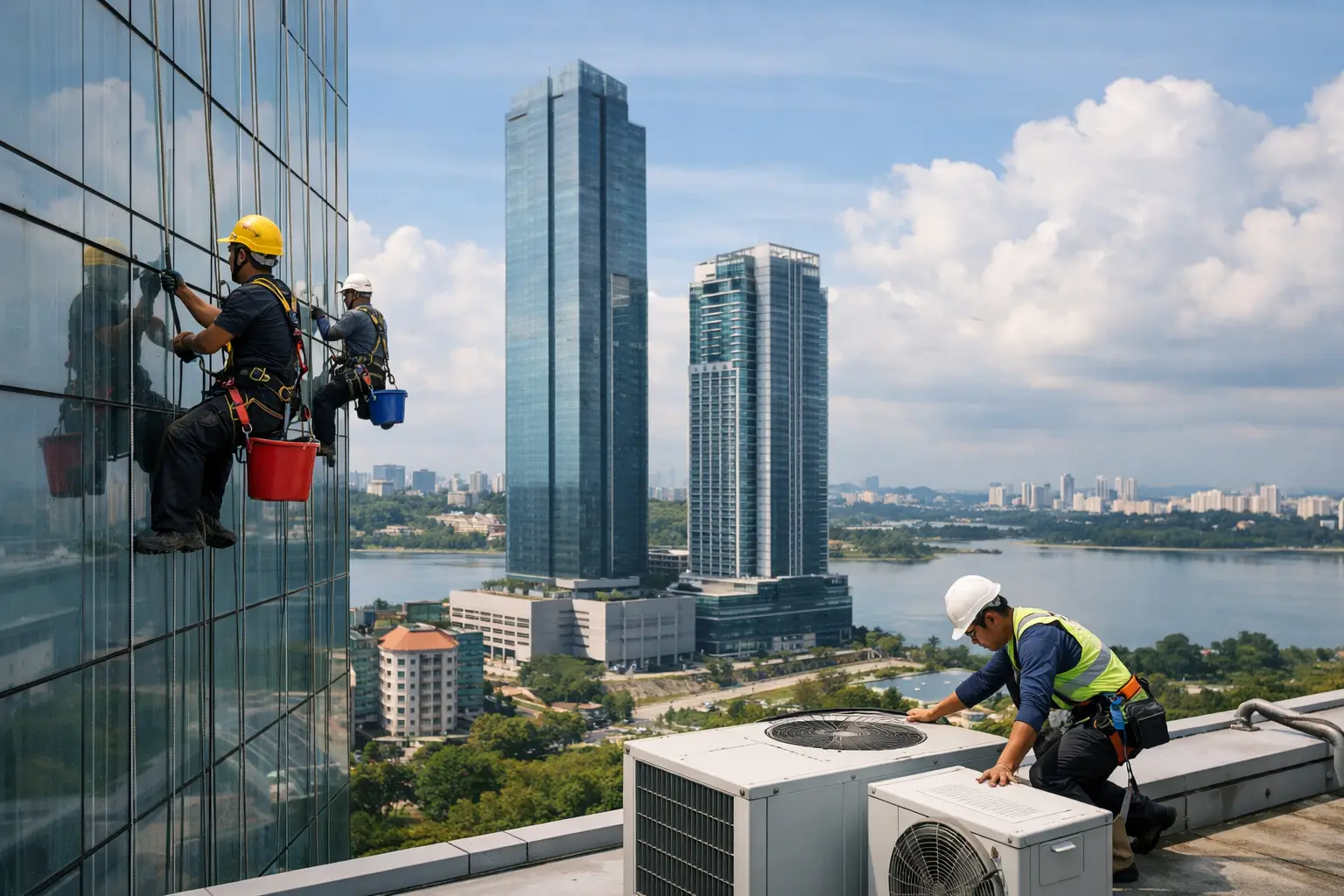
Specialized methods such as rope access allow maintenance teams to reach confined or elevated facade zones with precision and less disruption than larger access setups in many situations. That matters for occupied buildings where operations, traffic flow, and tenant experience must be protected while work is carried out. The key is not just reaching the facade, but reaching it safely and with the right technical understanding of the system being maintained.
Water Intrusion Starts Small and Spreads Quietly
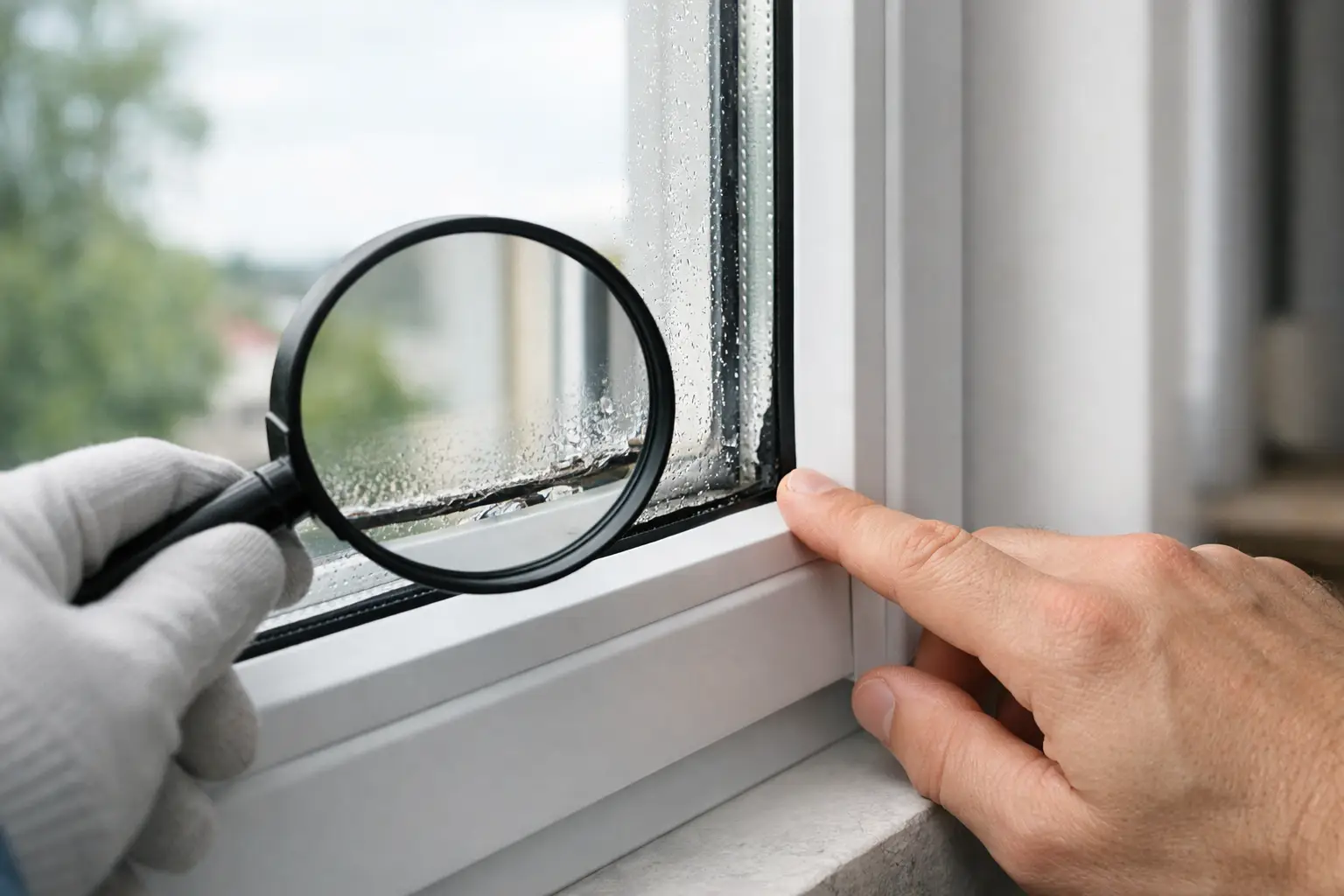
If there is one issue that consistently proves why facade maintenance matters, it is water. Moisture is persistent, and facade defects give it multiple paths into the building envelope. Failed sealant joints, open cracks, degraded coatings, and defective interfaces around windows or panels can all allow water to enter where it should not.
Once inside, water does not stay neatly at the point of entry. It can move laterally, soak insulation, stain interior finishes, affect indoor conditions, and contribute to corrosion or concrete deterioration over time. By the time occupants report leaks, interior dampness, or mold concerns, the source may be difficult to isolate without a proper exterior investigation.
Routine facade maintenance reduces this risk by focusing on vulnerable points before active leakage becomes evident. It also helps building teams distinguish between issues that need cleaning, issues that need repair, and issues that signal deeper envelope failure. That distinction matters, because treating every problem as surface-level maintenance can lead to repeat issues and unnecessary disruption.
Maintenance Protects Material Life Cycles
Different facade materials age in different ways. Glass can show staining and failed perimeter seals. Stone can crack or shift. Painted surfaces can chalk or peel. Metal panels may corrode at edges or fasteners. Rendered facades can develop delamination, crazing, or water-related breakdown. Each material responds differently to climate exposure, movement, and maintenance history.
That is why a facade maintenance plan should never be generic. The right approach depends on the building age, facade type, exposure level, defect pattern, and operational use of the property. A heritage facade, for example, requires a different restoration mindset than a modern curtain wall system. A residential tower may have recurring staining from water runoff, while an office building may be more affected by urban grime, glazing residue, and sealant fatigue.
Consistent maintenance extends service life because it addresses the actual causes of deterioration rather than waiting for full replacement cycles to arrive early. It also supports smarter planning. When building teams understand which elements are aging normally and which are failing prematurely, they can make better maintenance decisions over time.
Building Reputation Is Tied to Exterior Condition
Property performance is not measured by engineering alone. It is also shaped by perception. Tenants notice staining, neglected surfaces, cracked finishes, and facade inconsistency. So do buyers, visitors, corporate occupants, and residents. An exterior that looks poorly maintained can create doubts about how the rest of the property is managed, even if internal systems are functioning well.
This is particularly relevant for buildings with high visibility, premium positioning, or shared ownership structures where accountability is closely watched. A clean, well-maintained facade communicates control, care, and professionalism. A deteriorating facade suggests deferred maintenance and rising risk.
That does not mean every building needs constant cosmetic work. It means visual condition and technical condition are often connected. Dirt buildup can conceal damage. Streaking can reveal water paths. Uneven repairs can indicate repeated unresolved failure. Maintenance gives property stakeholders a clearer picture of what the building is communicating from the outside.
Why Facade Maintenance Matters for Long-Term Planning
Reactive maintenance often feels easier in the short term. A complaint comes in, a visible problem is addressed, and the team moves on. But facades do not perform well under a purely reactive model, especially on larger or more complex buildings.
A planned approach creates better visibility into condition trends. It helps identify recurring trouble spots, prioritize high-risk elevations, and sequence cleaning, inspection, and restoration work in a way that supports ongoing building operations. It also improves documentation, which is valuable for asset management, compliance discussions, and capital planning.
This is where specialist input makes a difference. Facade-focused teams do more than clean surfaces or repair isolated defects. They assess how facade components are behaving as a system. In climates like those found across Kuala Lumpur, Selangor, Johor, and Penang, that system-level view matters because heat, moisture, rainfall, and pollution rarely affect one material or one elevation in isolation.
Not Every Building Needs the Same Maintenance Schedule
There is no single schedule that suits every property. A sheltered facade on a newer building may require a different cadence than an older tower with heavy weather exposure and known leakage history. Coastal conditions, surrounding traffic, facade geometry, material compatibility, and past repair quality all influence maintenance needs.
That is why the most effective facade maintenance programs are condition-based, not guess-based. They combine inspection findings, observed deterioration patterns, and practical access planning to determine what should be cleaned, repaired, monitored, or restored next.
A well-managed facade does not happen by accident. It is the result of paying attention before deterioration becomes visible from the lobby, before water reaches occupied space, and before a minor defect becomes a safety issue at height. For building owners and managers responsible for long-term performance, facade maintenance is not a side task. It is part of responsible asset stewardship.
Discuss the next step
For advice on facade maintenance benefits, request a site assessment or quotation from Vertical Pro.
A technically correct repair can still be poorly planned if safe access is treated as an afterthought. DOSH Malaysia’s fall-prevention guidance provides a structured basis for the work-at-height plan.

Leave a Reply