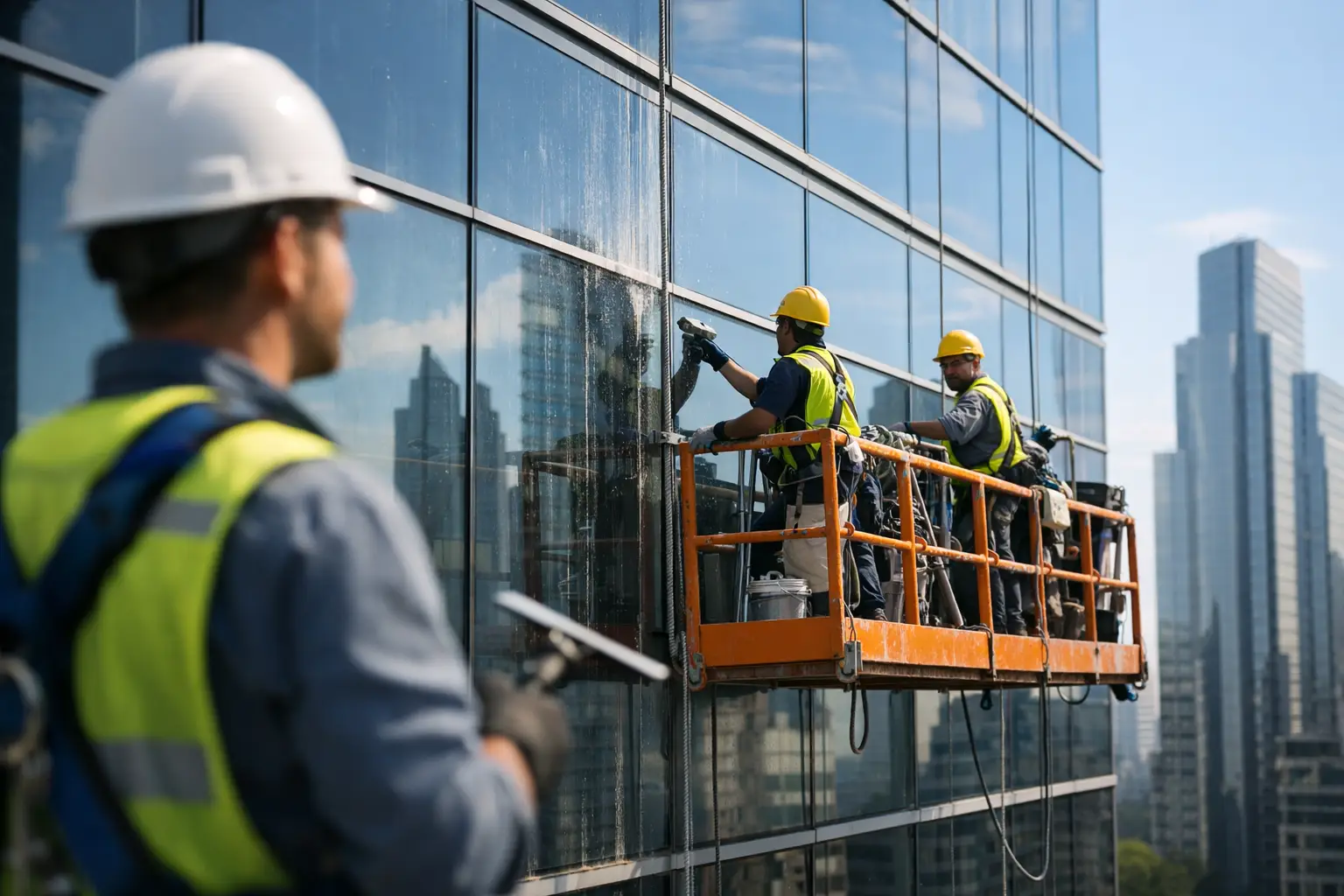
A glass tower rarely declines all at once. More often, the warning signs arrive gradually – mineral staining that no longer washes off, sealant lines that look tired, panels that appear uneven in changing light, or recurring water marks around joints and framing. For building owners and managers, these are not just cosmetic issues. They can point to deeper performance problems, and that is where glass facade restoration services become a practical asset protection decision rather than a reactive repair.
For commercial towers, residential high-rises, and architecturally prominent buildings, the facade carries more responsibility than appearance alone. It shapes first impressions, affects weather resistance, and contributes to the building’s long-term service life. In Malaysia’s humid, high-rainfall, high-UV environment, exterior glass and facade systems face constant stress. Restoration helps address that wear before it develops into larger maintenance, safety, or tenant-facing problems.
What glass facade restoration services actually involve
Glass facade restoration services are often misunderstood as advanced cleaning. In reality, restoration goes further. The work is meant to recover function, appearance, and system integrity where normal washing or routine maintenance is no longer enough.
The scope depends on the building and the facade type, but restoration may involve removing persistent staining, treating surface contamination, replacing failed sealants, correcting localized facade defects, addressing water ingress points, restoring framing finishes, and inspecting the condition of movement joints and connection areas. On some properties, the visible issue is the glass itself. On others, the real cause sits at the perimeter details, gasket lines, or adjoining materials.
That distinction matters. If a building has haze, streaking, or discoloration, cleaning crews may improve the look temporarily. But if the surface has etching, hard water damage, oxidation runoff, or joint failure, cleaning alone will not solve it. A facade specialist starts by identifying what has changed, why it changed, and whether the problem is isolated or systemic.
Why restoration becomes necessary on glass facades
Glass is durable, but facade systems are exposed assemblies. Their performance depends on more than the glass panel. Sealants age. Gaskets harden. Framing collects contaminants. Anchoring details and drainage paths can be affected by debris, water movement, and years of environmental exposure.
In dense urban areas, pollution adds another layer. Airborne particles, traffic residue, and runoff from surrounding materials can bond to exterior surfaces over time. In coastal or humid regions, moisture exposure can accelerate surface staining and corrosion at vulnerable components. Buildings with irregular geometry or difficult drainage patterns may also show localized deterioration faster than expected.
Restoration is usually needed when one or more of these conditions appear repeatedly or spread across elevation zones. A facade that still looks acceptable from street level may tell a different story under close inspection. This is especially true on high-rise buildings where access limitations often delay proper assessment.
Common triggers property teams should not ignore
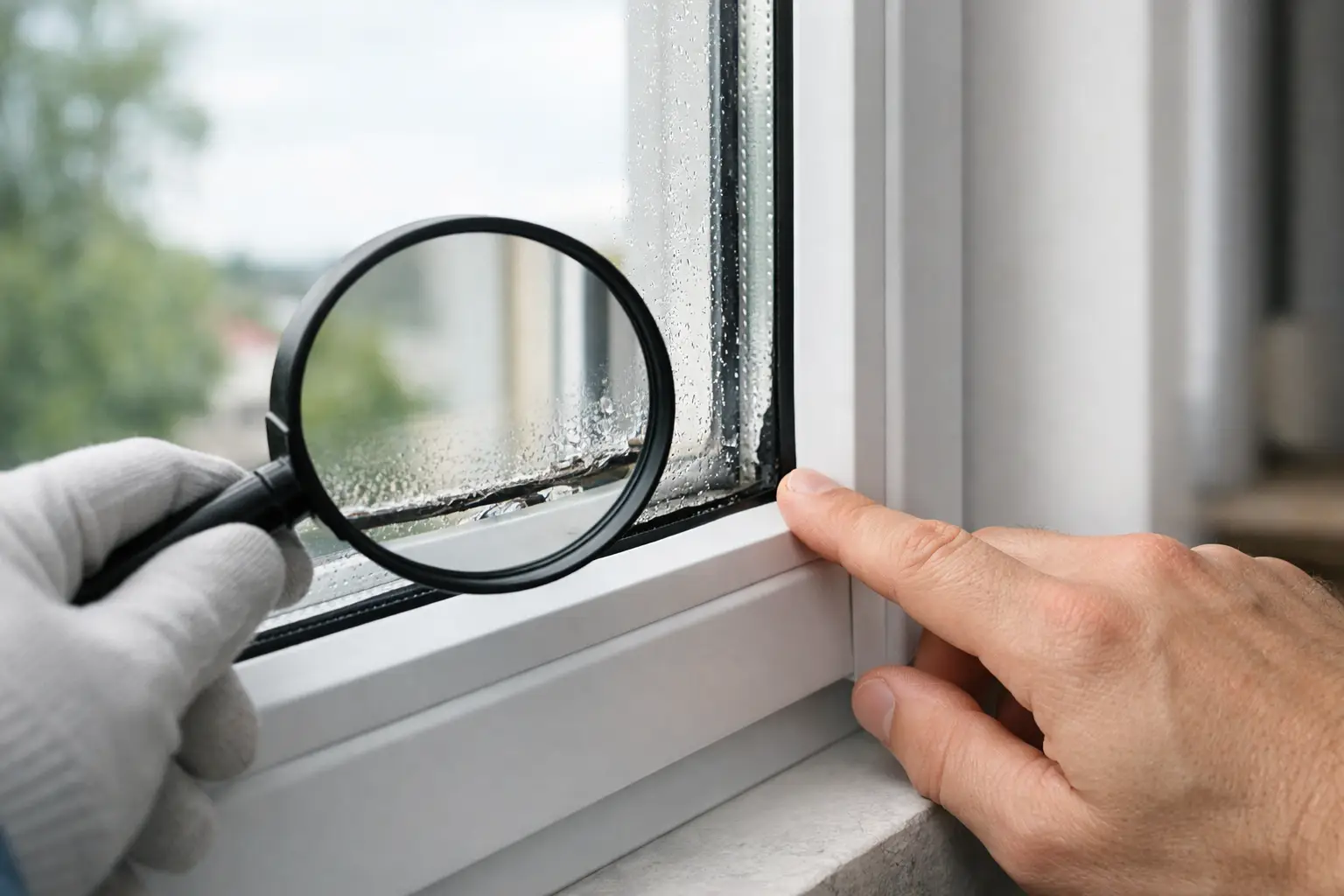
One of the clearest triggers is staining that returns quickly after cleaning or never fully disappears. Another is visible sealant deterioration, including cracking, shrinkage, detachment, or inconsistent adhesion around glass edges and frame interfaces. Water trails, patchy reflectivity, and dirt accumulation concentrated around panel joints can also indicate performance issues rather than simple housekeeping needs.
Managers should also pay attention when tenants report leaks near curtain wall zones, when facade appearance becomes uneven across elevations, or when previous spot repairs have not held. These are signs that the building may need coordinated restoration rather than isolated corrective work.
The value of early intervention
Restoration is most effective when it happens before facade distress becomes widespread. Once staining etches deeply into glass or water intrusion begins affecting adjoining materials, the scope becomes more complex. What might have been a targeted restoration effort can turn into a broader repair program involving multiple facade elements.
Early action protects more than the exterior finish. It helps preserve the reliability of envelope components, reduces the chance of recurring defects, and supports maintenance planning. For buildings with strong visual branding or premium tenancy expectations, early restoration also protects presentation. A facade that looks neglected sends a message, whether intended or not.
There is also an operational advantage. Planned restoration can usually be scheduled and phased more effectively than urgent work triggered by active leakage, facade hazards, or tenant complaints. For occupied buildings, that difference matters.
How a facade specialist evaluates restoration needs
A proper restoration process starts with assessment, not assumptions. The visible symptom may be straightforward, but facade behavior rarely is. A specialist reviews the affected elevations, identifies exposure patterns, examines material interfaces, and considers how the facade has been maintained over time.
On glass-heavy buildings, this often means distinguishing between removable contamination, surface damage, and system-related failure. For example, white deposits may come from mineral-rich water runoff. Dark streaking may be tied to drainage routes or pollution trapping. Cloudiness may indicate weathering or surface alteration that standard cleaning methods cannot reverse safely.
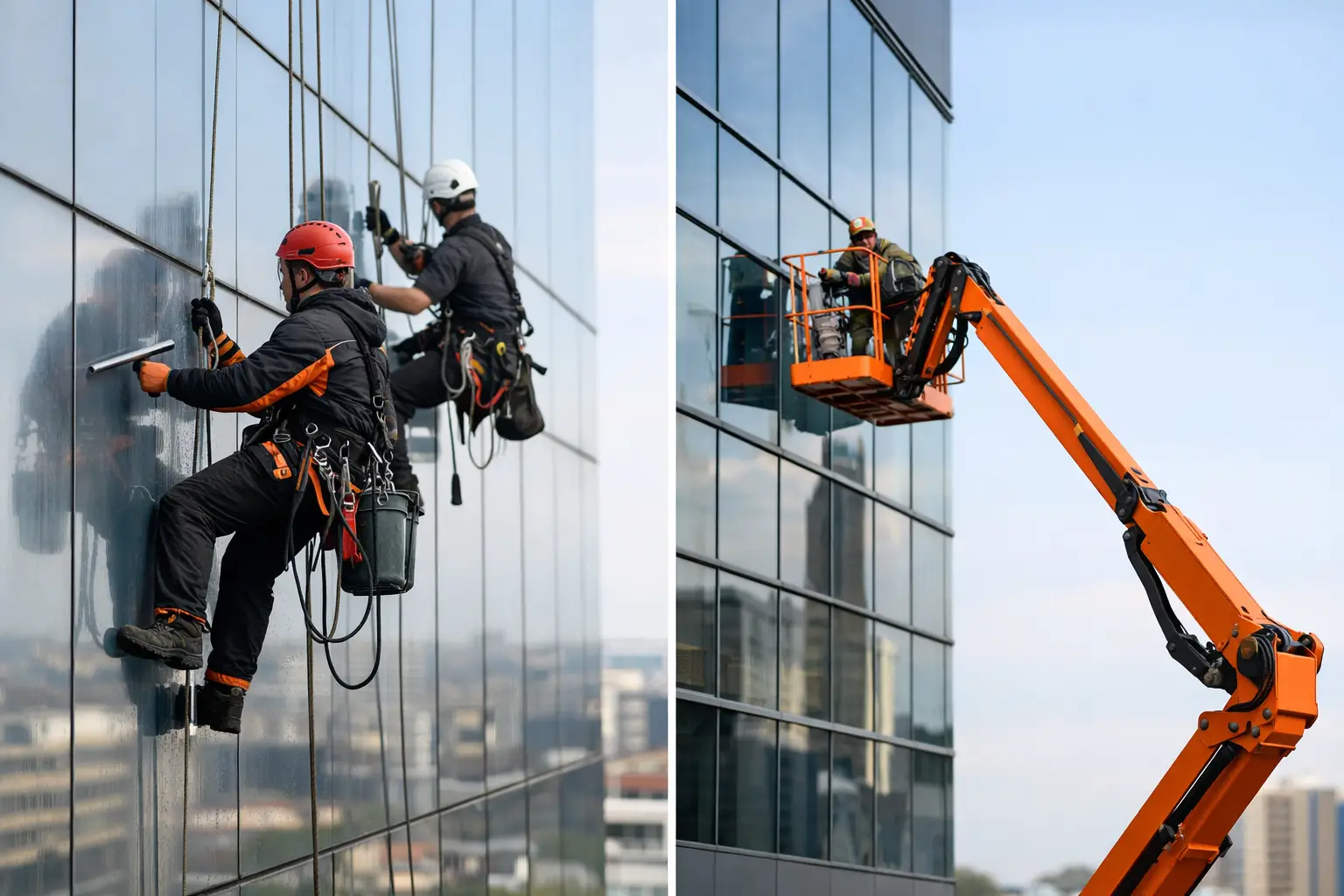
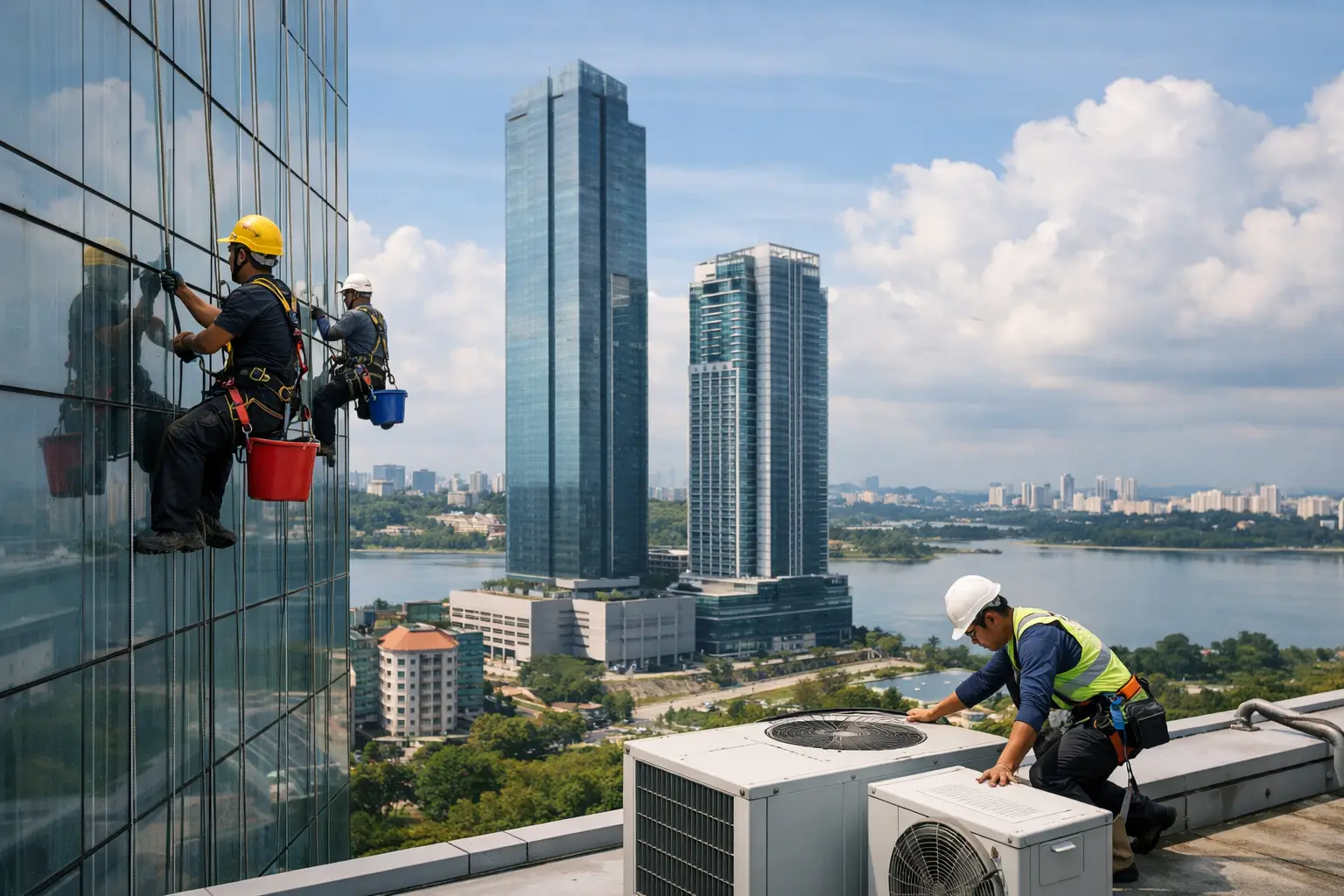
Access method plays a role here as well. Rope access is often the most practical way to inspect and restore difficult high-rise areas with precision and minimal disruption. It allows close visual review of seals, joints, corners, mullions, and transition points that are easy to miss from the ground or from general surveys.
Why method selection matters
Not every facade issue should be treated aggressively. Some glass surfaces can be damaged by the wrong abrasive process, harsh chemistry, or poorly controlled tools. The same is true for adjacent coatings, metal finishes, and sealant lines.
That is why restoration should be matched to the material condition, facade design, and defect type. A careful, facade-specific approach protects the building. A generic exterior contractor may improve appearance in the short term while creating new damage that appears months later.
Glass facade restoration services and long-term asset performance
For asset owners and management teams, restoration is not just a maintenance task. It supports the broader performance of the property. A well-maintained facade contributes to tenant confidence, preserves architectural intent, and reduces the chance that minor envelope issues become disruptive operational events.
This is particularly relevant for buildings with a large glazed envelope, prominent podium frontage, or high public visibility. On these properties, facade condition has a direct effect on how the asset is perceived. It also influences the maintenance burden carried forward. Deferred facade care tends to create layered problems – visual deterioration, moisture-related defects, repeated access mobilization, and unplanned corrective work.
Restoration helps reset that cycle. When combined with inspection findings and a sensible maintenance plan, it gives building teams a clearer picture of facade condition and future priorities. That is more useful than relying on reactive patching whenever a complaint appears.
What building managers should expect from the process
A professional restoration program should be structured, site-aware, and tied to real facade conditions. It should begin with inspection and testing where needed, then move into clearly defined treatment methods for the affected areas. On occupied buildings, work planning should account for access safety, public protection, and minimal disruption to daily operations.
Documentation is also important. Building teams benefit when restoration work is recorded by elevation, defect type, and treatment area. That information supports future maintenance decisions and helps identify whether recurring problems are linked to exposure, drainage, material aging, or previous repair limitations.
For property portfolios, consistency matters even more. If one tower in a group starts showing the same sealant wear or staining pattern as another, restoration findings can help inform broader asset planning across similar buildings.
Choosing the right time for glass facade restoration services
The best time is usually earlier than most owners expect. If the facade already shows visible decline from normal viewing distance, the deterioration has often been developing for some time. Seasonal weather shifts, heavy rain cycles, and prolonged UV exposure can accelerate what was once a minor issue.
In Malaysia, buildings face year-round environmental pressure, so restoration timing should align with observed condition rather than a fixed calendar alone. High-exposure elevations, older glazed systems, and properties with complex access needs deserve closer attention. Facade by Vertical Pro Sdn Bhd approaches this work with that reality in mind – as a technical building care service, not a surface-level cleanup exercise.
A good facade does not stay good by chance. It stays reliable because someone pays attention before stains become damage, before small failures spread, and before the building starts telling the market it has been left behind. If your glass exterior is showing signs of wear that routine cleaning no longer resolves, that is usually the moment to act – not later.
Discuss the next step
For advice on glass facade restoration services, request a site assessment or quotation from Vertical Pro.
Before appointing a method of access, assess the task, exposure, working area and emergency arrangements. DOSH Malaysia’s fall-prevention guidance explains the fall-prevention principles that support this review.


Leave a Reply