
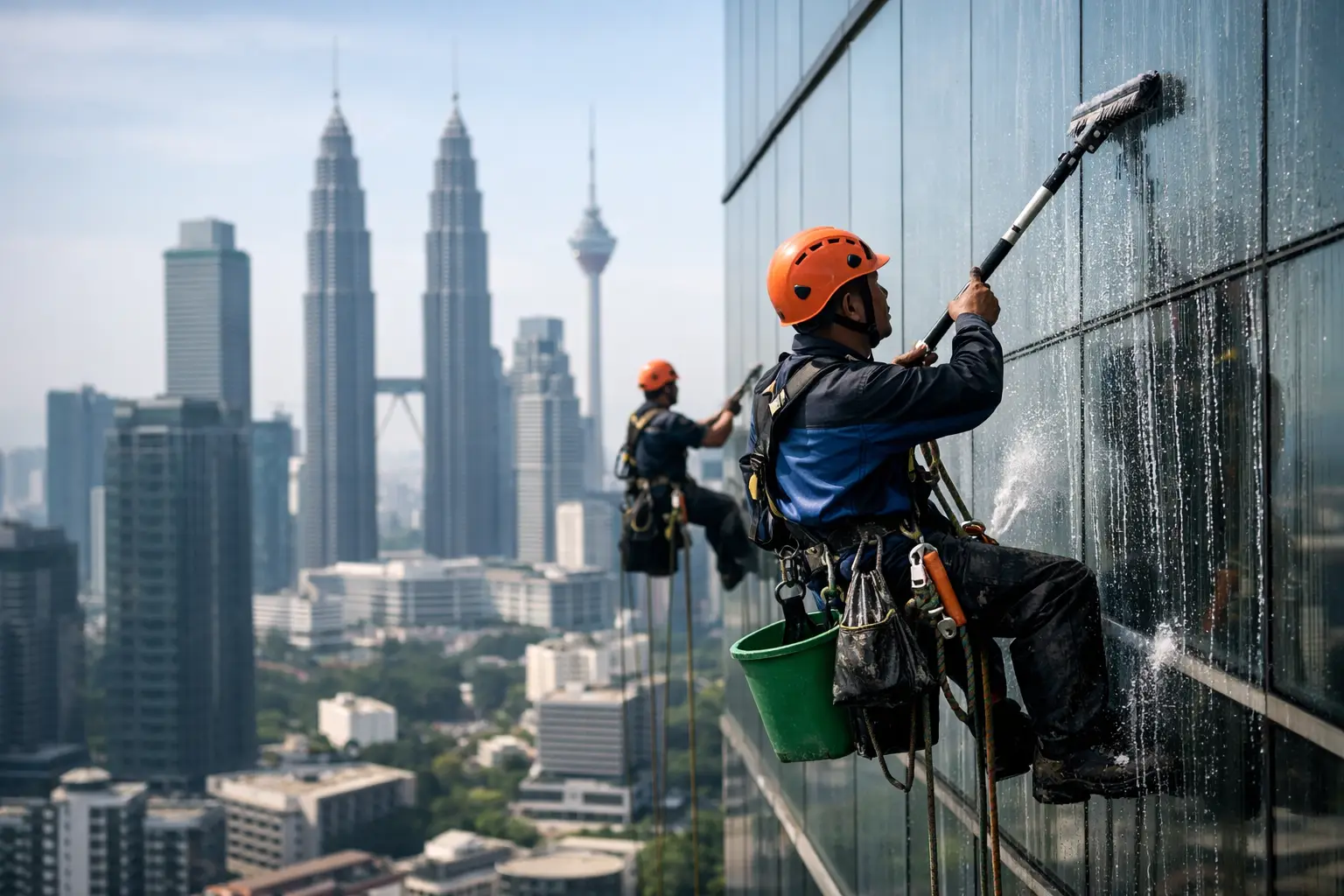
Kuala Lumpur skylines do not stay sharp on their own. Between tropical rain, traffic residue, airborne dust, algae growth, and constant UV exposure, building exteriors lose their finish faster than many owners expect. That is why facade cleaning Kuala Lumpur properties require is not just a cosmetic task. It is part of responsible asset care for buildings that need to look credible, perform well, and remain safe over time.
For commercial towers, residential developments, hotels, and mixed-use assets, facade condition affects more than first impressions. Dirt buildup can trap moisture, staining can become harder to remove, and neglected surfaces can hide early signs of sealant failure, cracked panels, corrosion, or water ingress. When cleaning is approached as part of a broader facade maintenance strategy, it supports both presentation and building performance.
Why facade cleaning in Kuala Lumpur needs a specialized approach
Not every building exterior responds to the same cleaning method. Glass curtain walls, painted concrete, aluminum cladding, stone finishes, terracotta, and composite panels all behave differently under pressure, moisture, and chemical exposure. A method that works on one facade can damage another, especially on high-rise buildings with mixed materials.
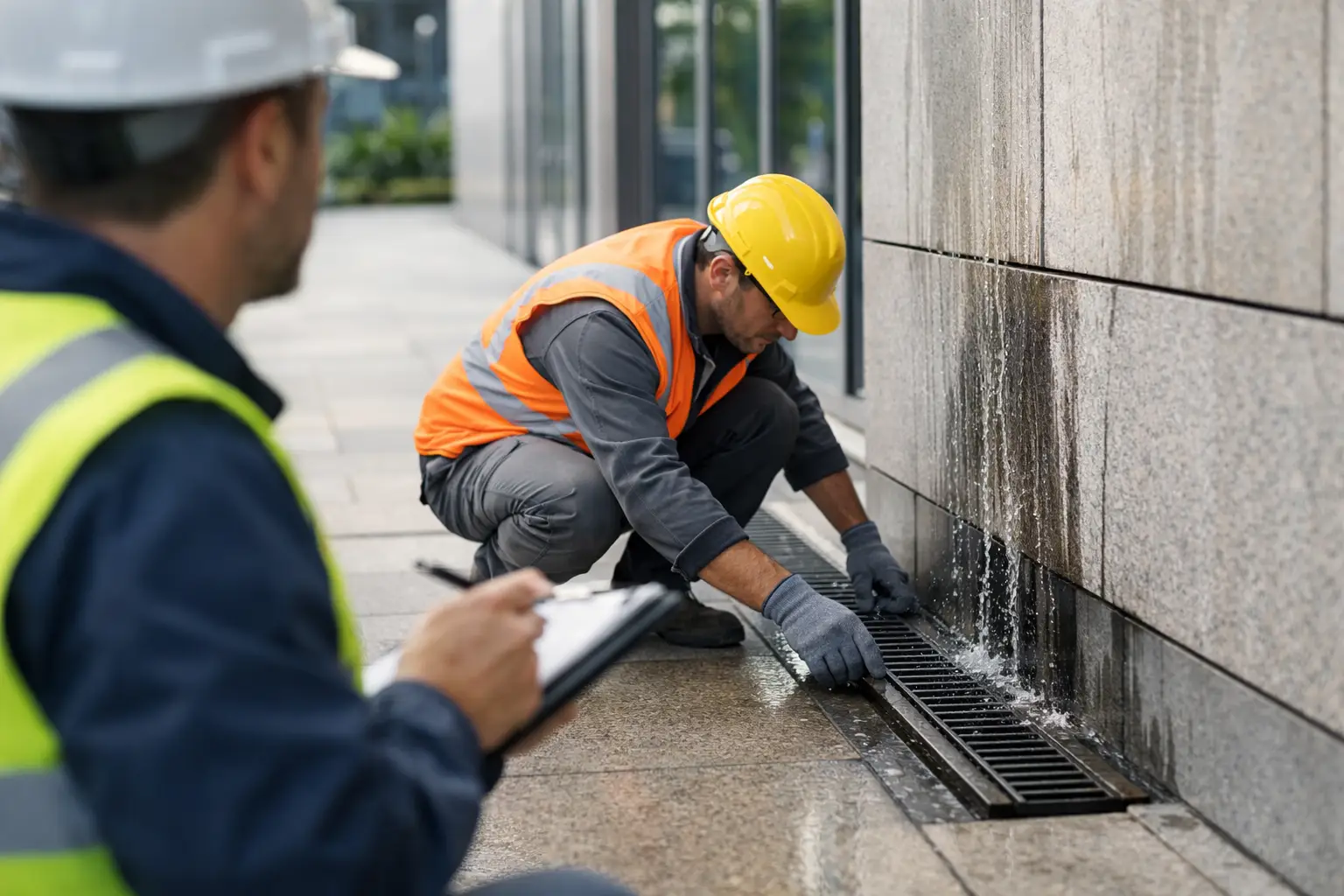
Kuala Lumpur adds another layer of complexity. The urban environment exposes facades to vehicle emissions, construction dust, biological growth, and frequent wet-dry cycles. Over time, these conditions create stubborn staining and surface degradation that basic washing cannot solve. Cleaning work also has to account for height, wind conditions, drainage control, surrounding pedestrian activity, and the need to keep building operations running normally.
This is where specialized facade contractors stand apart from general cleaning providers. The work is not only about making a surface look cleaner. It is about understanding facade systems, choosing suitable access methods, protecting materials, and recognizing defects while the team is on the wall.
What a proper facade cleaning scope should include
A professional facade cleaning program starts with inspection, not equipment. Before any work begins, the building should be assessed for surface type, contamination level, visible deterioration, access constraints, and operational risks. This helps determine whether the facade needs routine washing, targeted stain treatment, post-construction cleaning, or a more careful restoration-led approach.
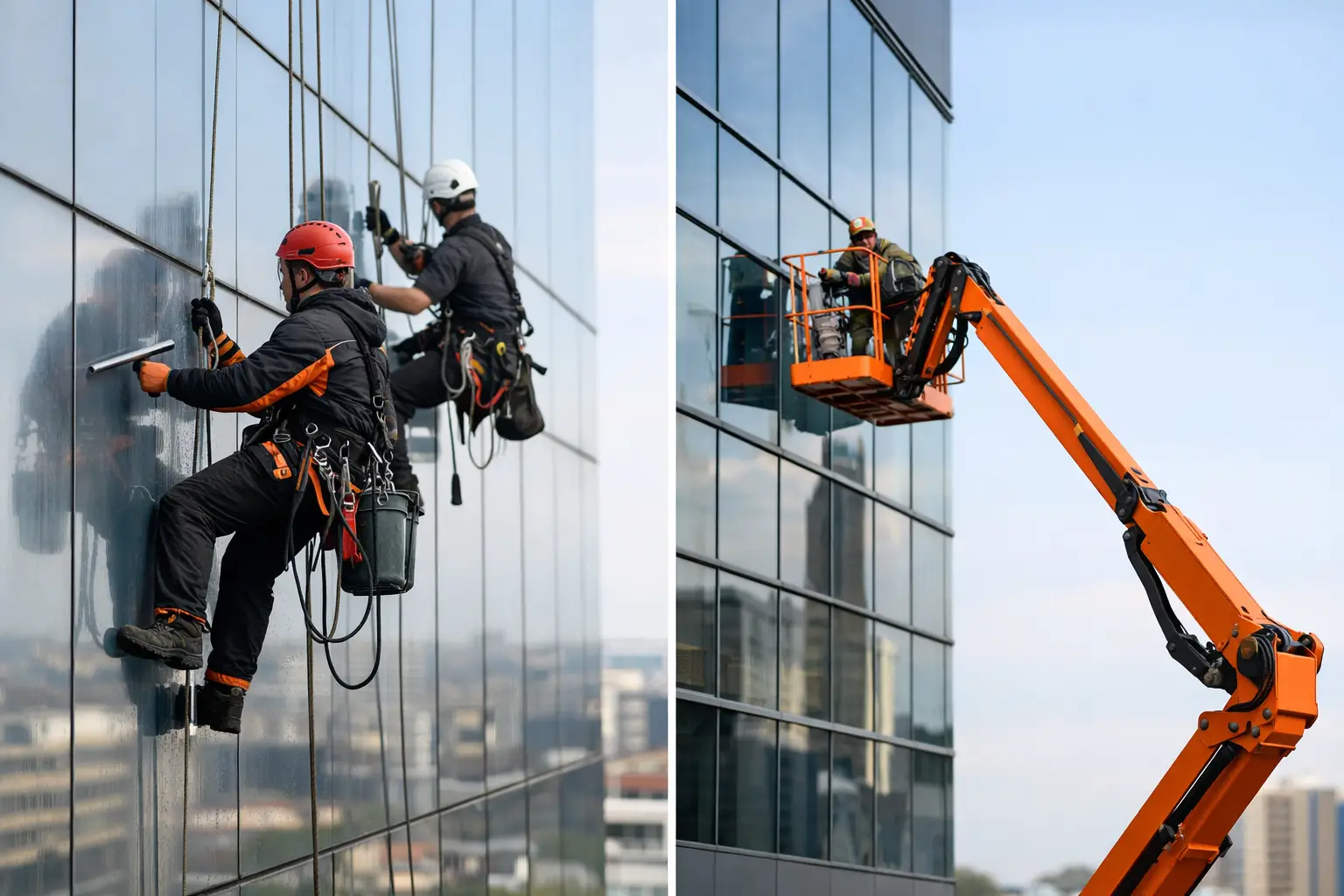
For many high-rise properties, access planning is just as important as the cleaning method itself. Rope access may be appropriate for difficult elevations, architectural projections, and buildings where cradle systems are limited or inefficient. In other cases, suspended platforms or boom lifts may be more suitable depending on facade geometry and site conditions. The right choice depends on efficiency, reach, safety controls, and the sensitivity of the facade surface.
Cleaning should also include attention to detail areas that are often overlooked – mullions, ledges, facade fins, recessed zones, canopy edges, and transition points where dirt accumulates more heavily. If these are ignored, the building can still appear patchy even after a large cleaning effort.
Common facade issues found during facade cleaning Kuala Lumpur projects
Cleaning often reveals what routine visual checks miss from the ground. That is one of the biggest reasons scheduled facade care matters.
Staining that keeps returning
Recurring stains are not always caused by poor cleaning. They may point to water runoff patterns, failing sealant joints, rust contamination, biological growth, or drainage issues from upper facade elements. If the source is not addressed, the marks usually return quickly.
Sealant and joint deterioration
Facade teams working at height often identify shrinking sealant, open joints, or brittle movement seals during cleaning. These are early warning signs that moisture may begin entering the envelope if repairs are delayed.
Surface coating wear
Painted surfaces and coated metal panels can fade, chalk, or lose adhesion under long-term weather exposure. Aggressive cleaning on already weakened coatings can make the problem worse, which is why surface condition should be reviewed before selecting cleaning pressure or chemical treatment.
Biological growth and moisture retention
Algae, mold, and organic staining are common on shaded or moisture-prone elevations. Beyond appearance, they can indicate poor drying conditions or persistent water exposure that deserves closer attention.
Choosing the right cleaning method for the facade
There is no single best method for every building. The right approach depends on contamination type, facade material, building height, and the condition of the exterior.
Low-pressure washing is often suitable for routine dirt removal on durable surfaces, but pressure must be controlled carefully around joints, coatings, and older materials. Pure water cleaning can be effective on glass and certain smooth surfaces where streak-free results are important. Soft washing may be used where biological growth needs treatment without excessive force. In more sensitive cases, hand-detail cleaning is the safer option even if it takes longer.
That trade-off matters. Faster methods may reduce time on the facade, but speed should never come at the expense of material protection. For architecturally significant or aging buildings, a cautious method is usually the better long-term decision.
Chemical use also requires discipline. The wrong product can etch glass, stain stone, damage metal finishes, or leave residue that attracts more dirt. Surface testing, dilution control, and runoff management are part of professional execution, not optional extras.
Safety is not a box to check
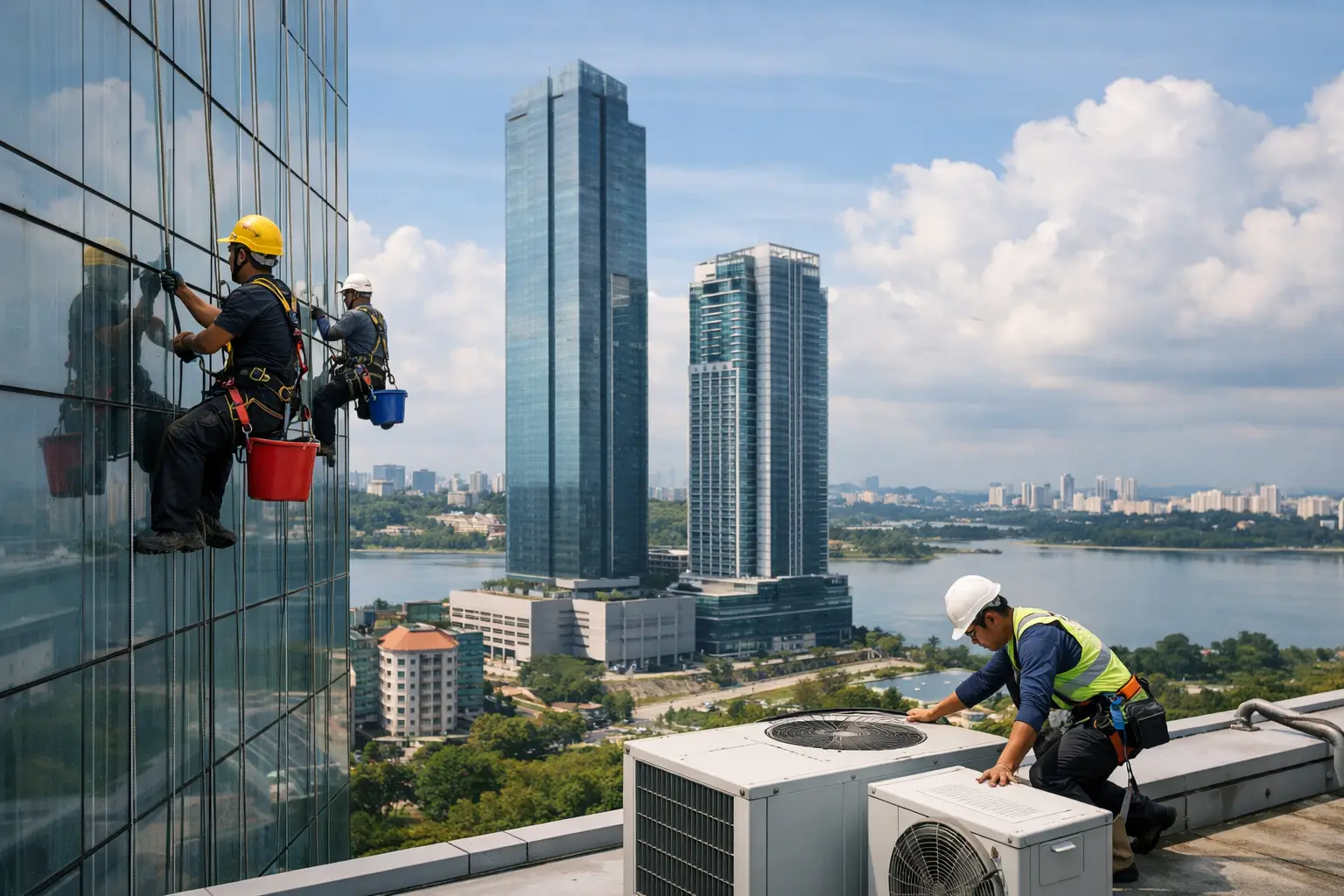
For high-rise buildings, facade cleaning is height work with real operational risk. Building managers should expect a clear method statement, access planning, trained personnel, and site controls that protect occupants, visitors, and adjacent public areas.
A dependable contractor does not treat safety as separate from quality. Safe access affects cleaning consistency, reach, and defect visibility. If technicians cannot access the facade properly or are rushed by poor planning, the work is less reliable. This is especially true on complex elevations with setbacks, curved surfaces, deep recesses, or limited anchorage options.
In occupied buildings, coordination matters just as much. Cleaning schedules may need to account for tenant operations, drop-off zones, public walkways, retail frontages, and peak traffic periods. Good planning reduces disruption while keeping the work moving efficiently.
When should a building be cleaned?
The answer depends on facade type, surrounding environment, and the standard the property needs to maintain. A glass-heavy office tower in a dense urban corridor may require more frequent cleaning than a lower-rise residential property in a less exposed setting. Buildings near major roads, active developments, or high-pollution zones usually show faster soiling.
Seasonality also matters in Malaysia’s climate. Heavy rain can wash away loose dust, but it also contributes to runoff staining and biological growth in shaded sections. A building may look acceptable from one angle while another elevation is deteriorating quietly.
Rather than relying on a fixed assumption, it is better to assess facade condition based on exposure and asset goals. For some buildings, appearance is the main driver. For others, cleaning is tied to preventive maintenance, defect monitoring, or tenant-facing standards. The right schedule is the one that supports both the facade material and the building’s operational priorities.
What building managers should look for in a facade specialist
Experience with high-rise exterior work matters, but facade knowledge matters more. A contractor should understand how different materials age, how contamination behaves, and how access strategy affects both outcome and risk.
It is also worth looking for a team that can identify related facade issues during cleaning rather than treating the work as an isolated task. That kind of field awareness is valuable for property managers trying to stay ahead of larger maintenance problems. A cleaning contractor with facade expertise can help connect visible symptoms to the building systems behind them.
This is where a specialist provider such as Facade by Vertical Pro Sdn Bhd brings practical value. The strength is not only in reaching difficult exterior areas, but in understanding what those surfaces need, what can damage them, and what early warning signs should be flagged before minor issues become repair projects.
Clean facades support more than appearance
A well-maintained facade sends a clear message about how a property is managed. For office buildings, that affects corporate image. For residential developments, it influences resident confidence. For mixed-use and hospitality assets, it shapes daily visitor perception in ways that are immediate and hard to ignore.
But the deeper benefit is protection. Regular cleaning helps preserve finishes, supports inspections, and reduces the chance that hidden deterioration goes unnoticed for too long. It keeps the facade visible, and visibility is essential in responsible maintenance.
If your building exterior is starting to look tired, uneven, or harder to manage, that is usually a sign to act earlier, not later. The right facade cleaning approach does more than improve the view from the street. It helps keep the building performing the way it should.
Further reading: see the Facade (architecture) article for an overview of building facades and their role in design.
A strong end-to-end plan for Facade cleaning Kuala Lumpur should be part of every asset strategy, guiding Facade cleaning Kuala Lumpur decisions on material care and access. Partner with specialists for Facade cleaning Kuala Lumpur to protect materials, safety, and long-term curb appeal, and to align with Facade cleaning Kuala Lumpur maintenance schedules. Clear inspection-led scopes guide Facade cleaning Kuala Lumpur choices, balancing high-rise access with surface chemistry during Facade cleaning Kuala Lumpur projects. Regular maintenance under Facade cleaning Kuala Lumpur protocols reduces recurring staining and signals early repairs, reinforcing Facade cleaning Kuala Lumpur outcomes.
A technically correct repair can still be poorly planned if safe access is treated as an afterthought. DOSH Malaysia’s fall-prevention guidance provides a structured basis for the work-at-height plan.


Leave a Reply