
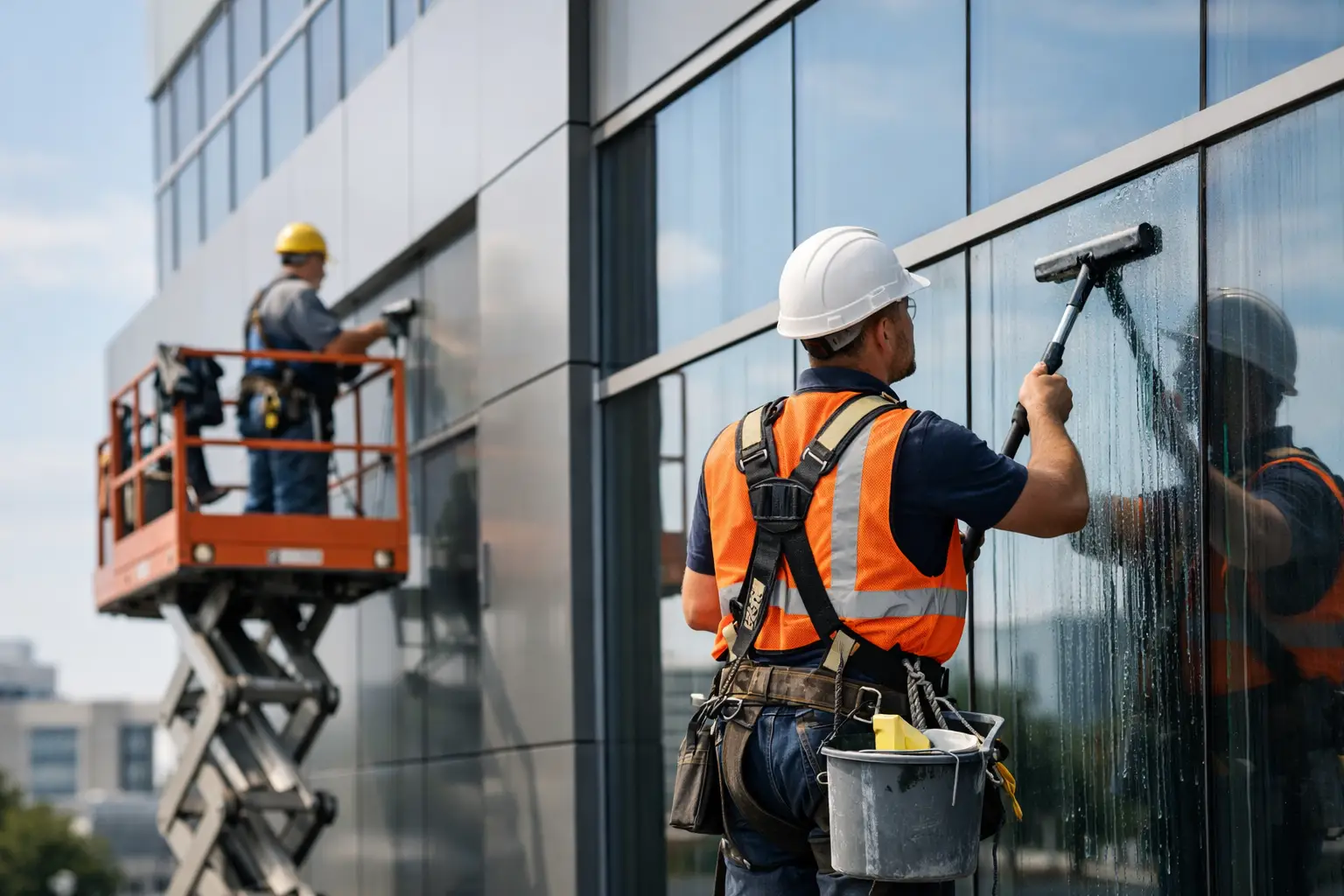
Facade problems usually develop gradually, often starting with a stain that keeps returning, a sealant joint that opens slightly, or hairline cracking that seems cosmetic until moisture gets behind the surface. That is why commercial facade maintenance matters. For building owners and managers, the exterior is not just a finish. It is a working envelope that affects safety, appearance, tenant confidence, and the service life of the building itself.
On commercial properties, facade issues are easy to postpone because they develop gradually and are difficult to inspect closely from the ground. But delay changes the nature of the problem. What begins as surface soiling or isolated deterioration can become water intrusion, material failure, corrosion, or a growing safety risk in occupied environments. A disciplined maintenance approach reduces those risks before they disrupt operations.
What commercial facade maintenance really includes
Commercial facade maintenance is broader than periodic washing. It includes inspection, condition monitoring, cleaning, minor repairs, joint and sealant assessment, access planning, and targeted restoration when signs of deterioration appear. The goal is not simply to keep the building looking presentable. It is to preserve the performance of the facade system over time.
Different buildings require different maintenance scopes. A glass curtain wall tower has different vulnerabilities than a rendered facade, natural stone exterior, aluminum cladding system, or heritage frontage. Even within the same city, exposure can vary significantly depending on height, orientation, shading, traffic pollution, and proximity to the coast. A maintenance plan that works for one building may be too light for another or unnecessarily aggressive for more delicate surfaces.
That is why facade care should be based on actual material behavior and exposure conditions, not a fixed cleaning schedule copied from another property.
Why facades deteriorate faster than teams expect
In tropical urban conditions such as Malaysia, building exteriors face a difficult combination of heat, heavy rainfall, humidity, airborne pollutants, and biological growth. These factors do not affect every material in the same way, but together they accelerate visible aging and hidden deterioration.
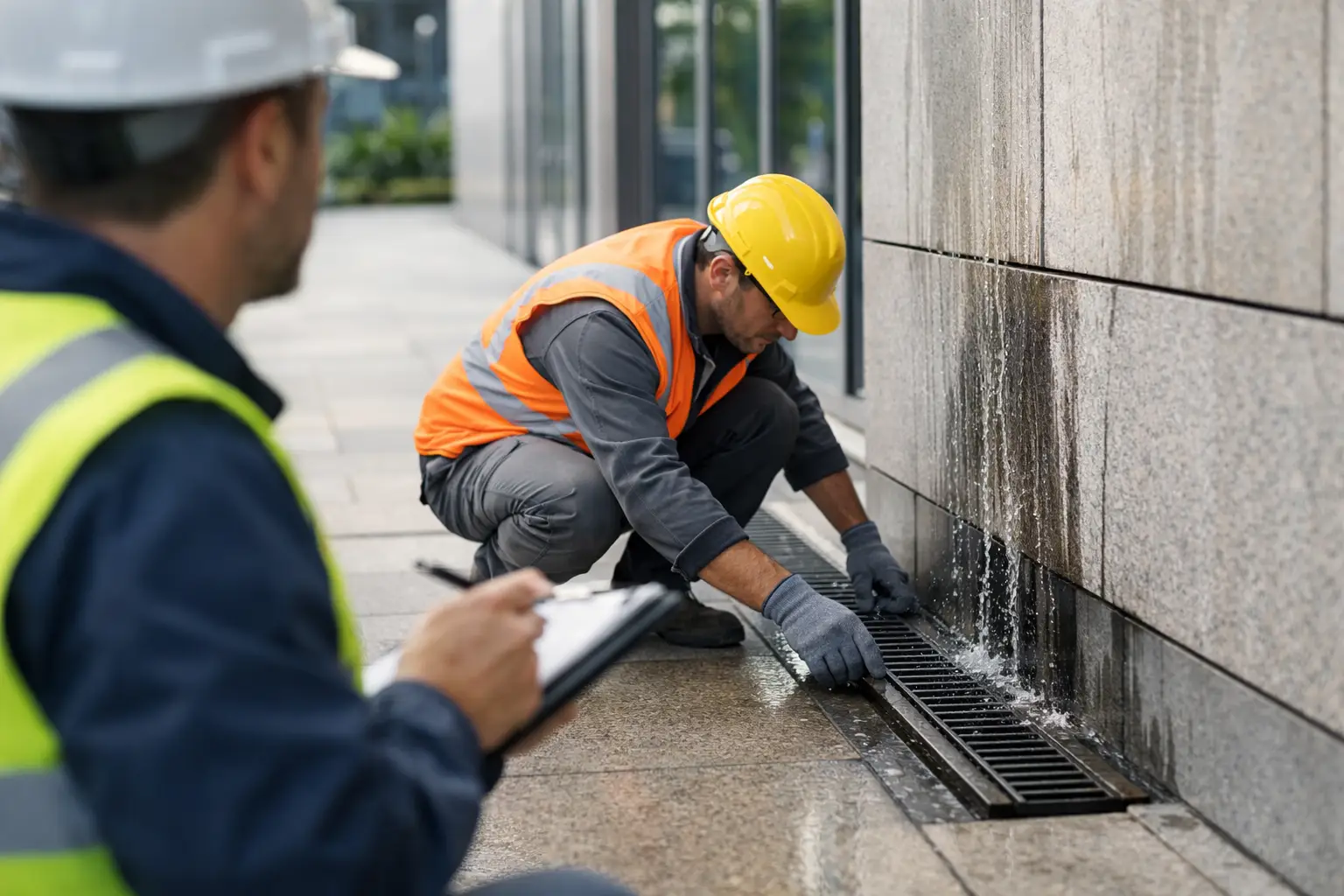
Moisture is usually the turning point. Once water enters through failed joints, cracks, movement gaps, or porous surfaces, secondary problems follow. Efflorescence may appear on masonry. Metal fixings may corrode. Coatings may blister. Interior complaints may start to surface only after damage has already progressed behind the outer layer.
Pollution also plays a bigger role than many stakeholders assume. Dirt does more than reduce appearance. On some surfaces, accumulated contaminants hold moisture longer, encourage staining, and make inspections less reliable because defects become harder to spot. Biological growth creates a similar problem. Algae and mold may appear superficial, but they often indicate persistent dampness that should be investigated, not just cleaned away.
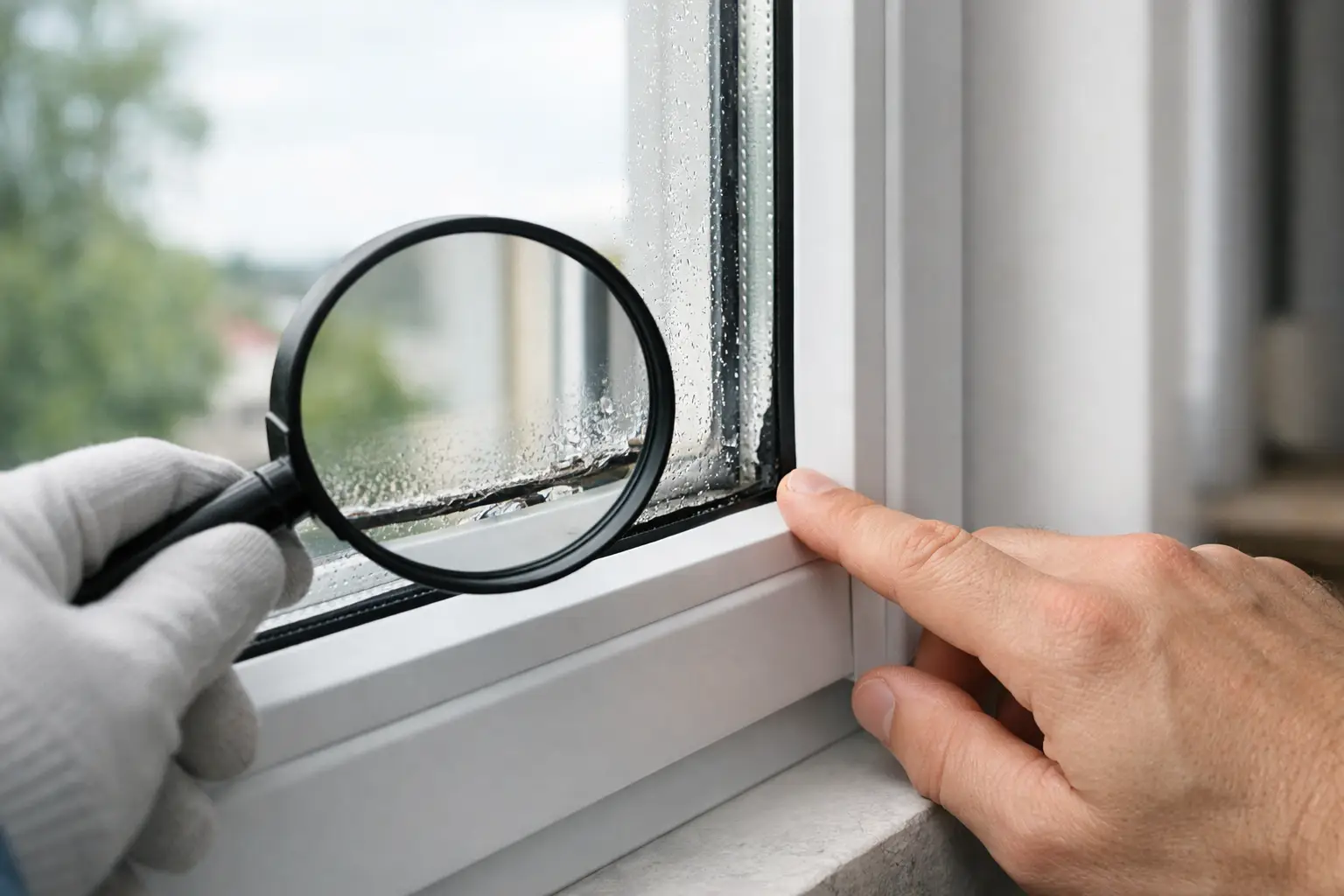
Movement is another factor. Commercial buildings expand and contract, sway slightly, and settle over time. Facade joints and sealants are meant to accommodate that movement, but they do not last indefinitely. When those elements age or lose adhesion, water resistance drops quickly.
The business case for preventive facade care
For asset owners and facility teams, the strongest argument for maintenance is not appearance alone. It is control. Regular facade care gives building stakeholders a clearer view of condition, allows defects to be addressed while they are still localized, and supports safer long-term operation.
Visual presentation still matters, of course. A stained or neglected exterior affects how tenants, visitors, and prospective occupants perceive the property. For office towers and mixed-use developments, facade condition contributes directly to reputation. On residential assets, it influences resident satisfaction and confidence in management. On heritage and architecturally significant buildings, poor exterior care can undermine the character that makes the property valuable in the first place.
But the deeper value is operational. Planned maintenance reduces reactive work, helps avoid emergency access arrangements, and allows building teams to prioritize repairs based on actual risk instead of visible urgency. It also supports compliance and duty-of-care responsibilities where falling debris, loose elements, or facade instability could affect public safety.
Signs your building needs facade maintenance now
Some warning signs are obvious, such as staining, cracks, spalling concrete, failed sealant lines, or dislodged facade elements. Others are easier to dismiss. Repeated water marks after rain, localized discoloration around joints, rust staining, peeling coatings, and dirt patterns that collect in the same zones can all point to underlying issues.
It also matters when a building has simply gone too long without a close inspection. High-rise exteriors can look acceptable from street level while developing problems at upper elevations, ledges, parapets, and hard-to-reach recesses. If access limitations have prevented proper inspection, uncertainty itself becomes a maintenance issue.
Buildings that have undergone piecemeal repairs over the years deserve special attention. Mixed repair histories often mean material compatibility has not been evaluated consistently, and short-term fixes may conceal recurring sources of water entry or movement.
Commercial facade maintenance planning by building type
A useful maintenance plan reflects how the building is built and how it is used. For a glass-heavy office tower, routine cleaning may be closely tied to visual standards and tenant expectations, but the more important technical focus may be on sealant integrity, anchor conditions, and water management details. For painted render or coated concrete, the emphasis may shift toward crack monitoring, surface adhesion, and moisture-related degradation.
Residential high-rises often present a different challenge. Maintenance must protect appearance while minimizing disruption to residents, balconies, common areas, and daily operations. Access planning becomes especially important, along with communication around work zones and safety controls.
Heritage or older commercial buildings require even more restraint. Aggressive cleaning methods, unsuitable chemicals, or overly abrasive techniques can do permanent damage to aged materials. In those cases, facade maintenance should begin with material understanding and test areas, not assumptions.
Why access strategy is part of the maintenance decision
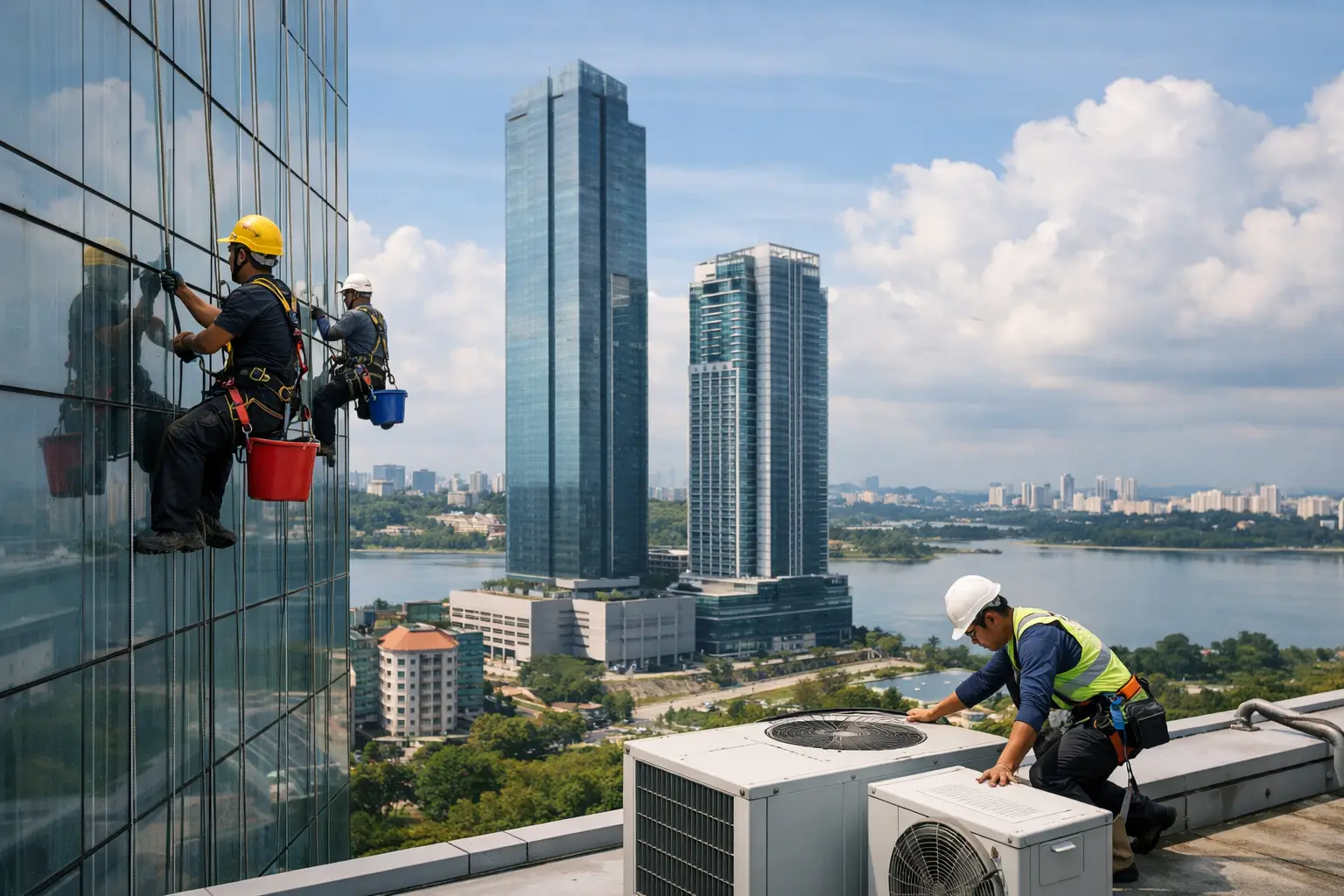
On mid-rise and high-rise buildings, facade maintenance is inseparable from safe access. This is where many plans become unrealistic. A building team may identify the need for inspection or cleaning, but without a practical access method, the work gets delayed or reduced to visible lower levels.
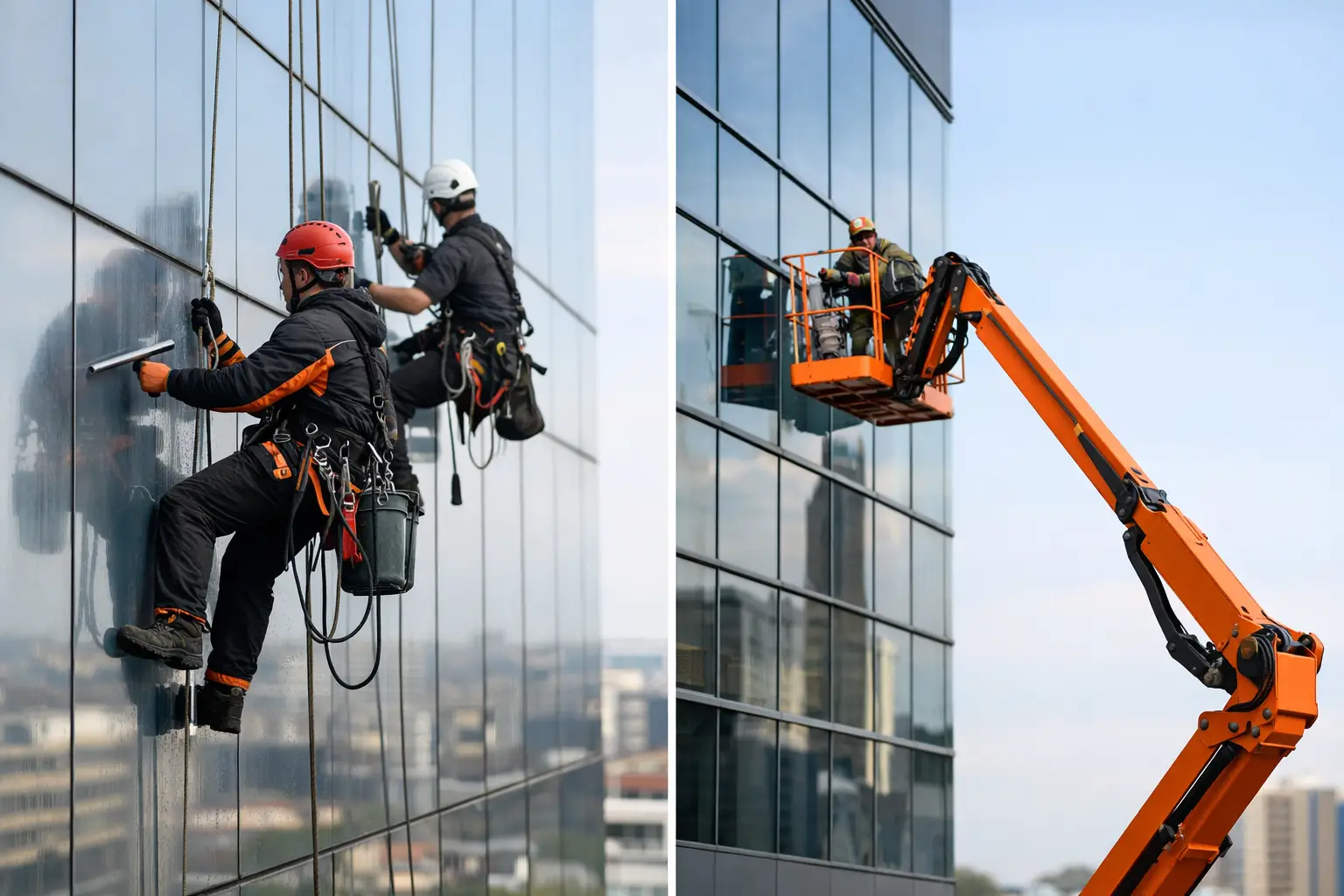
Access should be planned around the facade system, building geometry, and scope of work. Rope access can be highly effective for targeted inspections, localized repairs, difficult elevations, and areas where traditional access is impractical or disruptive. In other cases, suspended platforms or other methods may be more suitable. The right choice depends on efficiency, surface sensitivity, working height, and the amount of equipment required.
What matters is that access is not treated as an afterthought. It affects safety, inspection quality, project sequencing, and how thoroughly the facade can actually be maintained.
How a proper facade maintenance program works
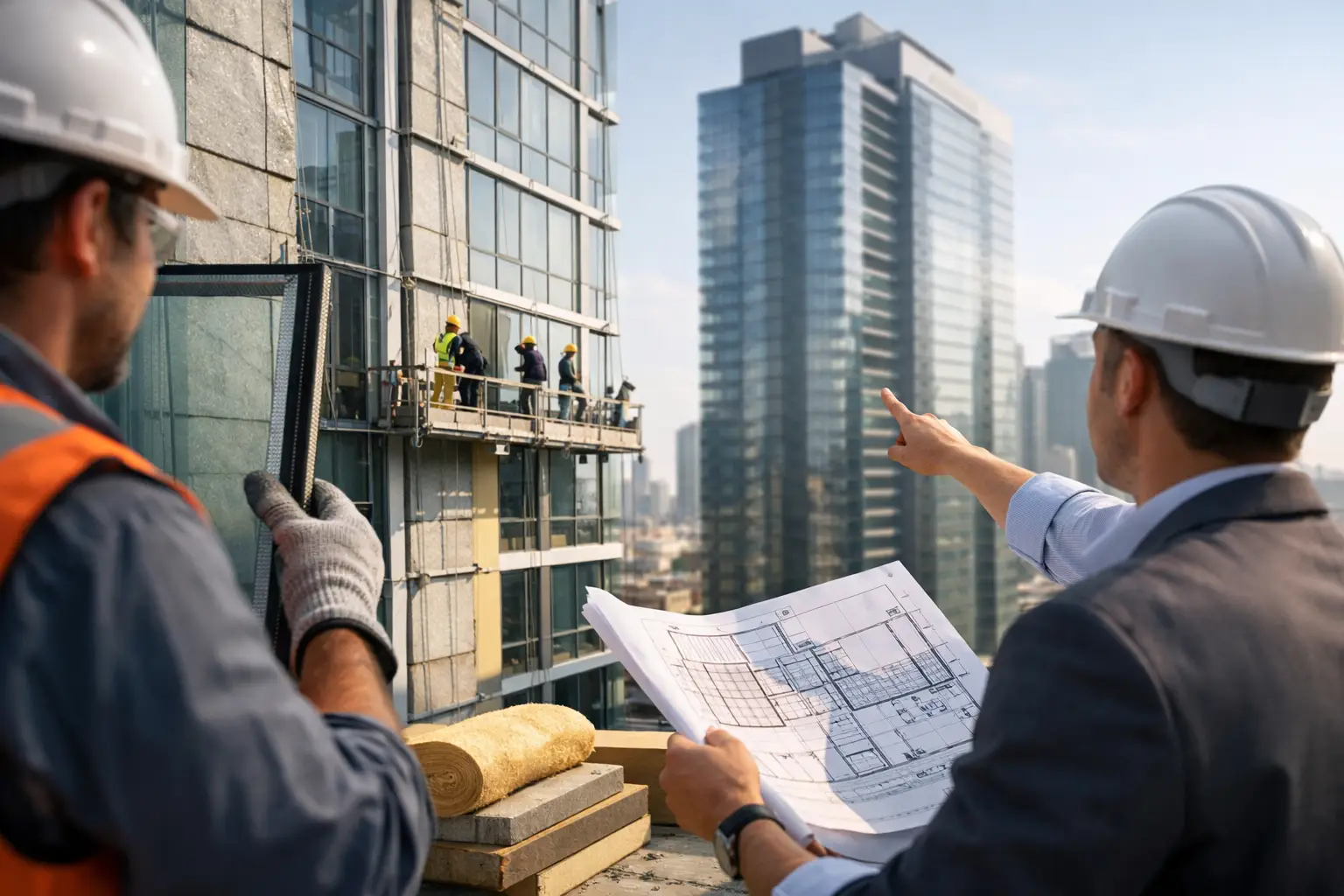
A sound program starts with a condition-based assessment. That means identifying facade materials, known defects, exposure patterns, previous repair areas, and any signs of movement or water ingress. From there, the building team can separate routine needs from corrective actions.
Routine maintenance usually includes scheduled cleaning, visual inspections, drainage and joint checks, and monitoring of known vulnerable areas. Corrective work may involve sealant replacement, crack treatment, concrete repairs, localized restoration, or removal of unsafe loose materials.
The key is documentation. When maintenance findings are recorded consistently, trends become visible. A stain that reappears in the same location after cleaning is not just a cosmetic issue. A joint that fails repeatedly may indicate substrate movement or poor detailing. Over time, these records help property stakeholders make better decisions about repair timing, restoration scope, and future capital planning.
This is also where specialist facade contractors add value. General maintenance teams may identify visible concerns, but facade specialists are better positioned to connect those concerns to system behavior, access requirements, and long-term durability.
Cleaning is necessary, but it is not the whole job
Many commercial buildings start with cleaning because the need is visible and immediate. That makes sense, but cleaning should support maintenance, not replace it. If a facade is cleaned without assessing the cause of staining, trapped moisture, sealant failure, or surface degradation, the building may look improved while the underlying issue continues.
The cleaning method matters as well. Pressure, chemical selection, water volume, dwell time, and surface compatibility all affect results. The wrong method can etch glass, damage coatings, open weak joints, or drive water deeper into existing defects. A careful approach balances effectiveness with material protection.
For that reason, maintenance decisions should be tied to both appearance standards and building condition. The objective is a facade that performs well and presents well, not one at the expense of the other.
Commercial facade maintenance is a long-term asset practice
Well-managed buildings do not treat the facade as a once-in-a-while project. They treat it as an asset system that needs periodic attention, informed inspection, and the right access strategy to keep risks low and performance stable. That approach is especially relevant in dense urban environments, where weather exposure, pollution, and public safety expectations leave little room for neglect.
For owners and managers responsible for high-rise and architecturally prominent properties, the question is rarely whether maintenance will be needed. The real question is whether it will be planned early enough to stay controlled. A clean facade attracts attention. A maintained facade protects the building long after the work is done.
The most effective next step is often the simplest one: stop judging the exterior from ground level and start treating it like the critical building system it is.
Discuss the next step
For advice on commercial facade maintenance, request a site assessment or quotation from Vertical Pro.
Where inspection or maintenance involves work at height, access planning should follow a documented risk-control process. DOSH Malaysia’s fall-prevention guidance is a useful reference for that planning.
Leave a Reply