

A streak beneath a window, a loose-looking panel edge, or staining that returns soon after cleaning may seem like minor cosmetic issues. In reality, these can be early signs of building cladding deterioration – a condition that can affect weather protection, public safety, tenant confidence, and long-term asset performance.
For building managers and asset owners, the challenge is that facade defects often begin behind finished surfaces or at elevated locations that are difficult to inspect from the ground. A structured maintenance approach helps identify the cause before a localized defect becomes a wider repair program.
What Building Cladding Deterioration Means
Cladding is the building’s external envelope. Depending on the property, it may include aluminum composite panels, curtain wall glazing, stone, tile, precast concrete, painted render, metal sheets, sealants, gaskets, brackets, and fixings. These components work together to manage rain, wind, heat, and movement while maintaining the building’s intended appearance.
Deterioration occurs when one or more of these components loses its ability to perform as designed. It is not always immediately visible. Water may enter through failed sealant joints, corrosion may develop behind panels, or fixings may loosen after repeated thermal movement. Surface dirt is often the most noticeable symptom, but it is not always the underlying problem.
In Malaysia’s hot, wet, and humid conditions, facades face frequent rain exposure, strong ultraviolet radiation, heat buildup, airborne pollutants, and biological growth. High-rise buildings also experience wind pressure and movement that place added stress on joints and connections. The speed and pattern of deterioration depend on the facade material, building age, orientation, design details, and maintenance history.
Early Signs of Building Cladding Deterioration
A professional inspection is needed to confirm the cause and severity of a defect. However, several visible conditions should prompt closer assessment, particularly when they appear repeatedly or spread across an elevation.
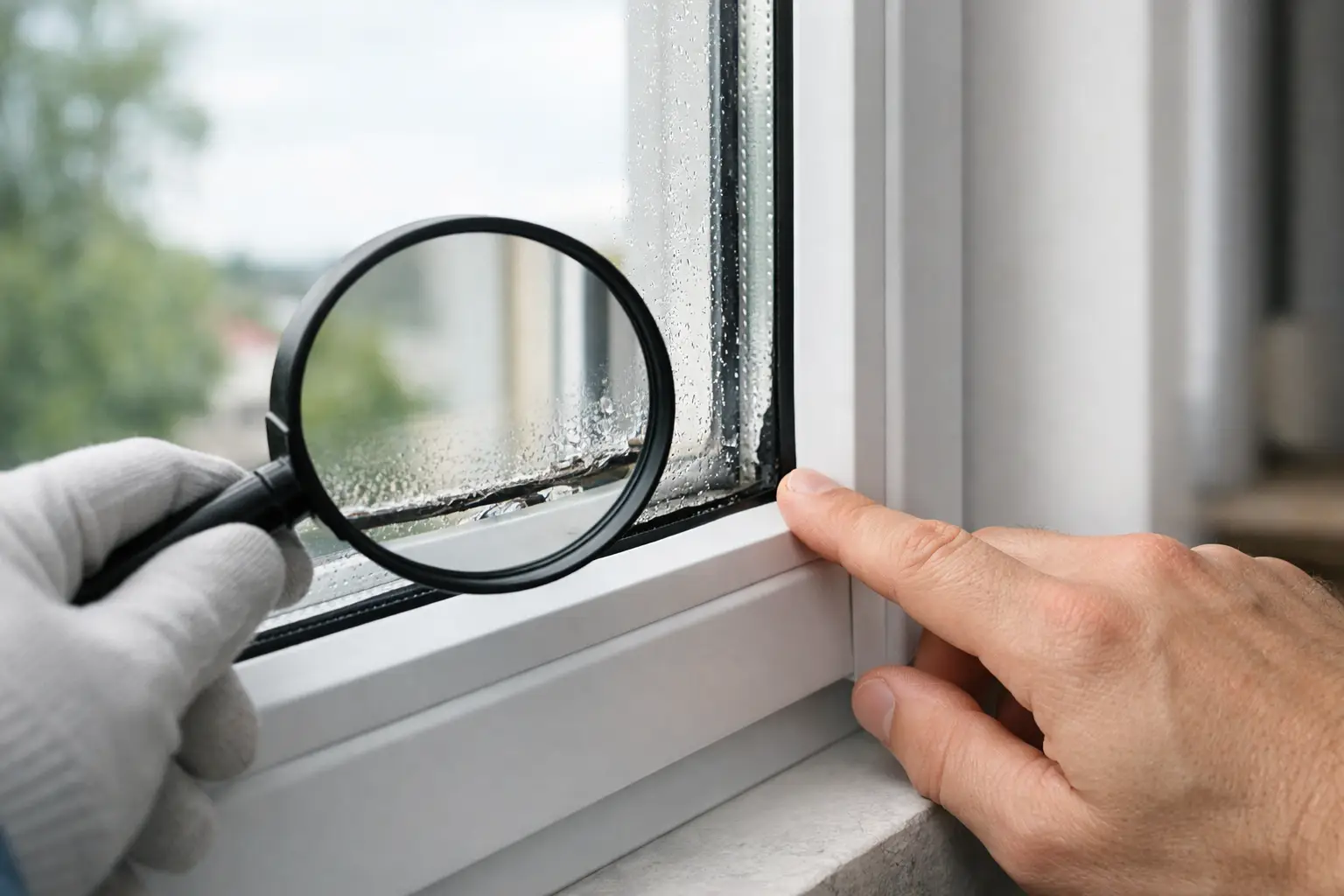
- Cracked, shrinking, or separated sealant joints can allow water to enter the facade assembly. Sealants naturally age, but open joints around windows, panels, and movement gaps should not be treated as a purely visual issue.
- Staining, efflorescence, and persistent water marks may indicate moisture migration. White mineral deposits on masonry, stone, or concrete often suggest water is moving through the material and depositing salts at the surface.
- Corrosion, rust staining, or discoloration near fixings can point to deterioration of metal components. Corrosion may be hidden behind cladding, so visible staining deserves investigation rather than simple surface cleaning.
- Loose, bowed, cracked, or displaced panels require prompt attention. Changes in alignment can result from failed fixings, substrate movement, trapped moisture, impact damage, or material distortion.
- Biological growth and recurring dark streaks can signal persistent moisture retention. Algae, mold, and mildew do not always mean a facade is failing, but they can reveal drainage problems or surfaces that remain wet longer than intended.
Other warning signs include interior dampness near external walls, paint blistering, damaged glazing gaskets, and unexpected rattling during high winds. A defect in one area may be isolated, but similar symptoms across multiple floors or elevations can indicate a system-wide maintenance issue.
Why Cladding Systems Fail Over Time
Most facade deterioration is gradual. The most common causes are a combination of environmental exposure, aging materials, movement, and delayed maintenance rather than one single event.
Moisture intrusion and poor drainage
Water is one of the most damaging forces affecting building exteriors. Rainwater can enter through failed sealants, damaged flashings, unsealed penetrations, cracked finishes, or poorly designed interfaces between different materials. Once water reaches concealed areas, it can corrode brackets, weaken substrates, stain finishes, and create conditions for mold growth.
Effective facade systems do not rely on a single surface to stop all water. They use drainage paths, pressure equalization, weep holes, sealants, and correctly detailed joints. When these elements become blocked, damaged, or neglected, moisture can accumulate where it is least visible.
Thermal movement and structural movement
Facade materials expand and contract at different rates. Aluminum, glass, concrete, stone, and sealant all respond differently to heat. Over years of daily temperature changes, joints and fixings must accommodate movement without tearing, cracking, or loosening.
Building settlement, wind-induced sway, and vibration can add further stress. Rigid repairs applied to areas designed to move may fail quickly. This is why repair specifications should account for the original facade design, not simply cover the visible defect.
Pollution, ultraviolet exposure, and biological growth
Urban pollution can leave acidic deposits and particulate matter on facade surfaces. These deposits may dull coatings, stain porous materials, and retain moisture. Ultraviolet exposure can cause sealants, gaskets, coatings, and painted finishes to become brittle or fade over time.
Regular cleaning helps preserve appearance, but the cleaning method matters. Aggressive pressure, unsuitable chemicals, or abrasive tools can damage coatings, erode joints, and worsen an already compromised surface. The correct method depends on the material, contamination type, access conditions, and condition of the facade.
Deferred maintenance and unsuitable past repairs
Small defects are often postponed because they do not immediately disrupt building operations. Yet a failed joint or damaged panel edge can allow moisture to affect hidden components for months or years. By the time internal staining or panel movement becomes obvious, the repair scope may be larger.
Past repairs can also create complications when incompatible sealants, coatings, fasteners, or patching materials are used. A repair should restore performance while remaining compatible with surrounding materials and expected movement.
Assess the Cause Before Selecting a Repair
A sound maintenance decision starts with diagnosis. Cleaning a stained facade may improve its appearance, but it will not resolve water entry from an open joint. Replacing one loose panel without examining adjacent fixings may overlook the reason it became loose.
An assessment typically considers the facade type, building age, known leak history, elevation orientation, drainage details, joint condition, surface contamination, and signs of movement. Close-range inspection is especially valuable for high-rise buildings, where ground-level observation cannot reveal the condition of panel edges, sealants, anchors, or glazing interfaces.
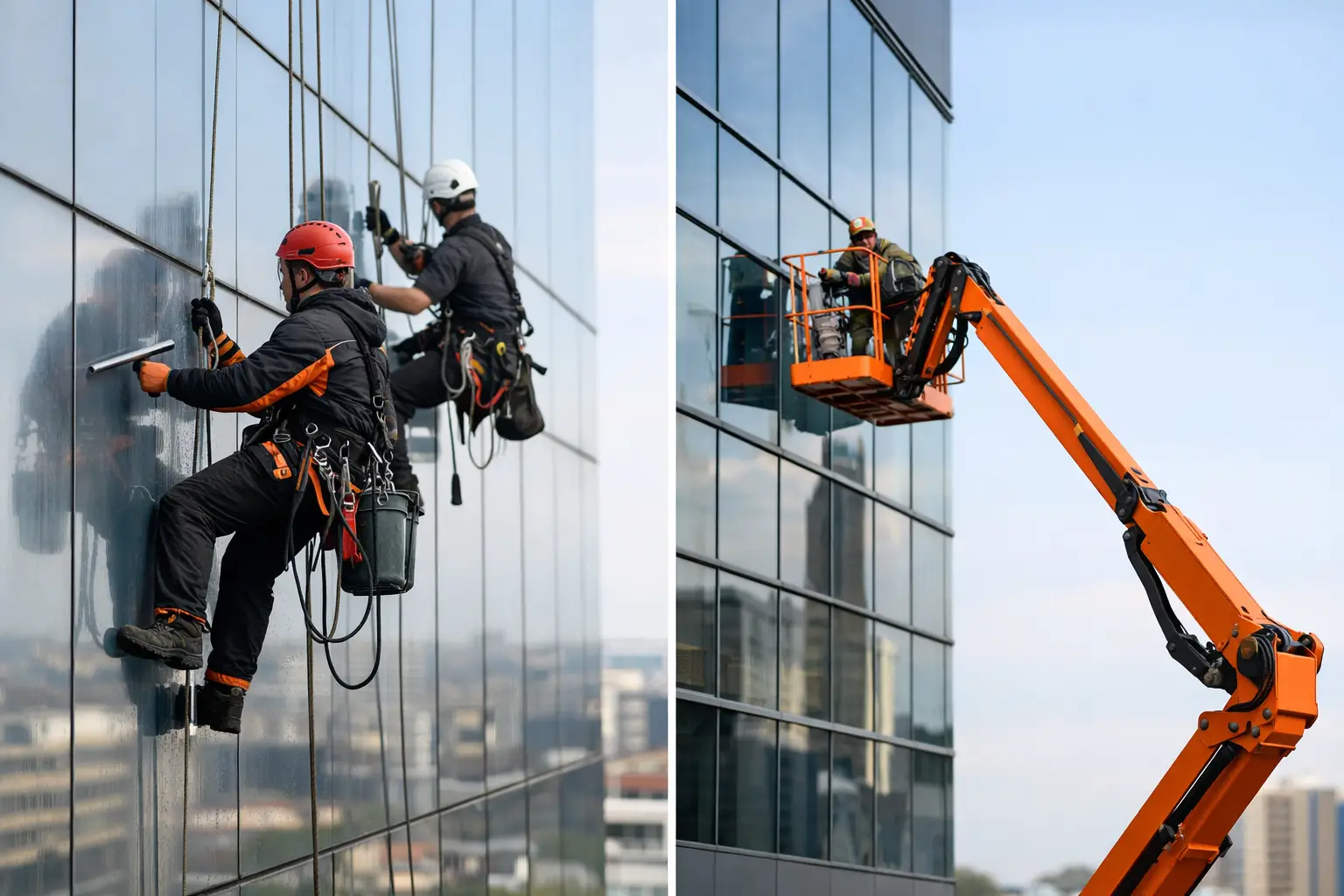
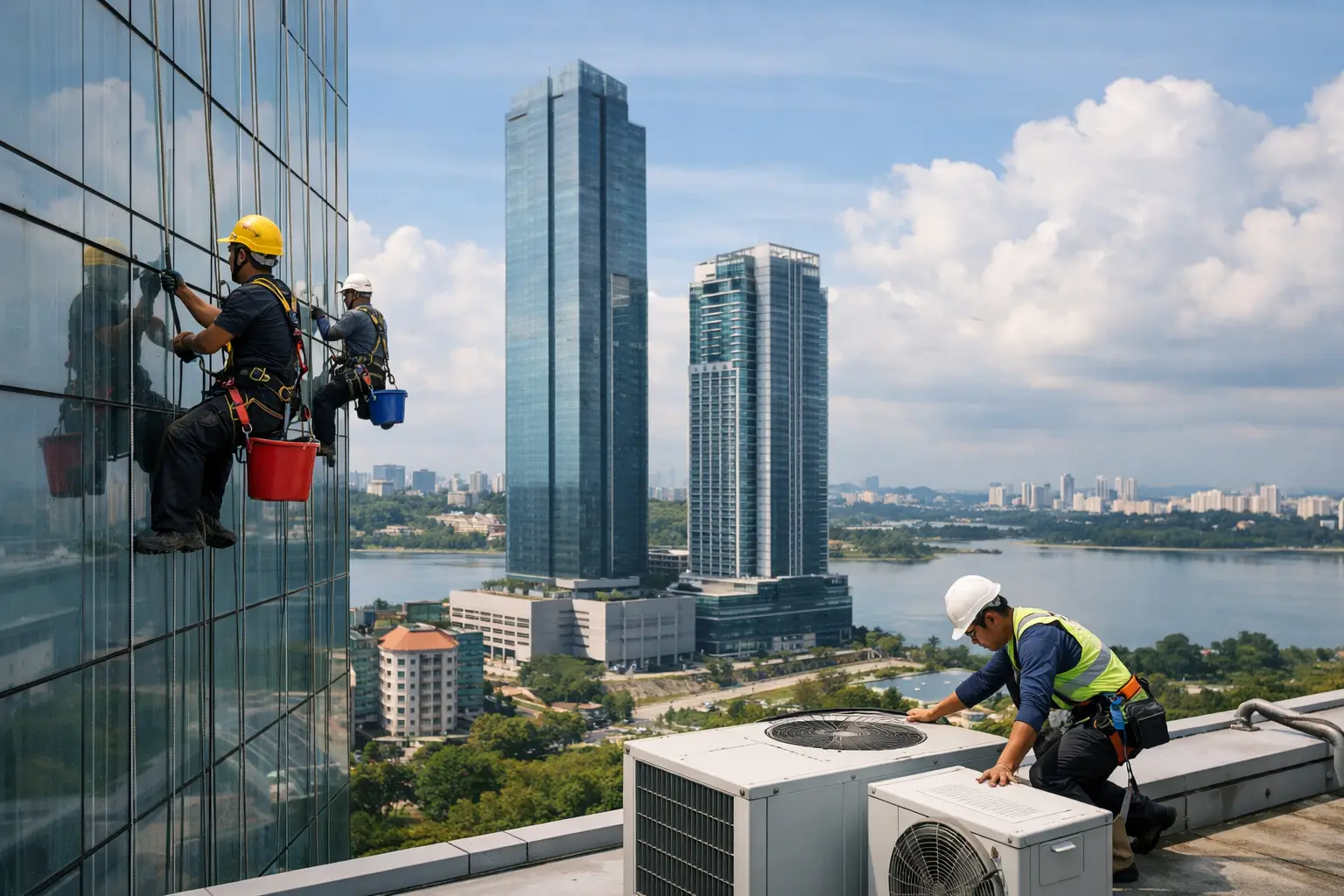
Rope access can provide efficient, targeted access for inspections and maintenance where conventional access equipment would be disruptive or impractical. The approach should be planned by trained personnel with appropriate safety procedures, rescue planning, exclusion zones, and careful protection of occupants and surrounding property.
Where defects are found, maintenance may involve localized sealant replacement, joint repairs, corrosion treatment, panel refastening or replacement, drainage cleaning, coating restoration, or controlled facade cleaning. The appropriate action depends on the defect’s cause, extent, and risk level. A cosmetic treatment alone may be suitable for superficial staining, while active water intrusion or unstable elements require corrective work without delay.
Build a Preventive Facade Maintenance Plan
The most effective approach is not to wait for obvious failure. A preventive plan gives building teams a clear record of facade condition and supports timely decisions before defects affect larger areas.
A practical program should include periodic visual reviews from accessible areas, scheduled close-up inspections of critical zones, cleaning appropriate to the facade material, and documented follow-up on defects. High-risk locations deserve particular attention: rooflines, parapets, panel joints, window perimeters, corners, balconies, service penetrations, and areas below drainage outlets.
Inspection frequency depends on the building’s height, age, material type, exposure, and history of defects. A coastal property, a tower beside heavy traffic, and an older building with recurring leaks will typically need closer monitoring than a recently completed, sheltered property. Following major storms or facade impact events, targeted inspections are also sensible.
Documentation is equally important. Photographs, defect locations, inspection dates, repair records, and observations of recurring patterns help facility teams prioritize work based on risk rather than appearance alone. This information also supports better handover between property managers and provides a clearer long-term view of the building envelope.
When a Facade Issue Becomes a Safety Concern
Not every crack or stain is an emergency, but some conditions require immediate professional review. Loose or displaced cladding, falling debris, exposed sharp edges, broken glazing, heavily corroded elements, or signs that water is entering occupied areas should be treated as potential safety issues.
The first priority is to protect people below and around the affected area. Restrict access where necessary, document the condition, and arrange a qualified assessment. Attempting temporary repairs from windows, balconies, or unplanned access points can create additional hazards and may conceal the actual failure mechanism.
Facade care is most effective when it is treated as an ongoing asset-management responsibility rather than a response to visible damage. A carefully inspected exterior protects more than the building’s appearance – it helps preserve the confidence of everyone who works, lives, visits, and passes beneath it.
Warning signs and the next action
| Observed condition | Recommended next step |
|---|---|
| Loose, bulging or displaced panel | Protect the area below and arrange urgent close-up inspection |
| Corrosion around fixings or panel edges | Assess moisture entry, metal loss and connection condition |
| Recurring staining below joints | Check drainage, sealant and concealed water paths |
| Cracks or open joints | Record their location and determine whether movement is continuing |
Frequently asked questions
Can cladding deterioration be assessed from the ground?
A ground survey can identify broad patterns, but small fixing, joint and edge defects may require close-up access or suitable inspection equipment.
Should a loose panel be sealed back into place?
Not without diagnosis. The underlying fixing, corrosion, movement or moisture problem must be understood before a durable repair is selected.
Request a cladding condition assessment
Review what a facade inspection should cover or contact Vertical Pro for a site assessment.
The access method must be planned with the same care as the repair or cleaning method. DOSH Malaysia’s fall-prevention guidance sets out practical controls for preventing falls at work.


Leave a Reply