
A clean facade can hide a costly problem for only so long. By the time staining, sealant failure, cracked finishes, or water marks become obvious from the ground, the building envelope may already be under stress. That is why commercial facade asset protection should be treated as a core part of building management, not a cosmetic task pushed to the end of the maintenance calendar.
For commercial properties, the facade does more than shape appearance. It shields the structure from rain, heat, pollution, and movement over time. It also affects tenant perception, maintenance planning, and operational risk. When the exterior is neglected, the issue rarely stays on the surface. Moisture intrusion, material breakdown, falling debris, and unplanned repairs often follow.
What commercial facade asset protection really means
Commercial facade asset protection is the disciplined process of preserving a building’s exterior so it continues to perform safely, look presentable, and support long-term asset value. That includes cleaning, inspection, restoration, sealant maintenance, localized repairs, and access planning for hard-to-reach areas.
In practice, protection is not about making a building look new for a short period. It is about slowing avoidable deterioration and identifying defects before they expand into broader structural, safety, or operational issues. For property owners and facility teams, that shift in mindset matters. The facade is not simply a finish. It is an exposed working system.
This is especially relevant for high-rise and mid-rise buildings in tropical urban environments such as Malaysia, where constant UV exposure, heavy rainfall, humidity, biological growth, and airborne pollutants accelerate wear. A facade that appears stable from a distance may already be experiencing sealant fatigue, coating failure, substrate contamination, or hidden water entry.
Why facade condition affects more than appearance
A neglected exterior often creates secondary problems inside the building and across operations. Water infiltration can affect interior finishes, mechanical spaces, tenant units, and shared common areas. Dirt buildup can trap moisture against surfaces. Failed joints can allow movement and leakage. Once that cycle starts, repair work becomes more disruptive and more difficult to sequence.
There is also a reputational dimension. Commercial towers, managed residences, and mixed-use developments are judged quickly by their external condition. Streaking, patchy surfaces, algae growth, and visible deterioration can undermine confidence among tenants, visitors, and stakeholders. For buildings competing in dense urban markets, facade condition sends a clear signal about management standards.
Safety is another reason this work belongs in asset planning. Loose materials, deteriorated sealants, unstable fixtures, and surface defects at height are not minor concerns. They require a structured response, proper access methods, and qualified personnel who understand facade behavior. Treating facade issues early helps reduce the chance that a maintenance concern turns into a site hazard.
The main threats to facade performance
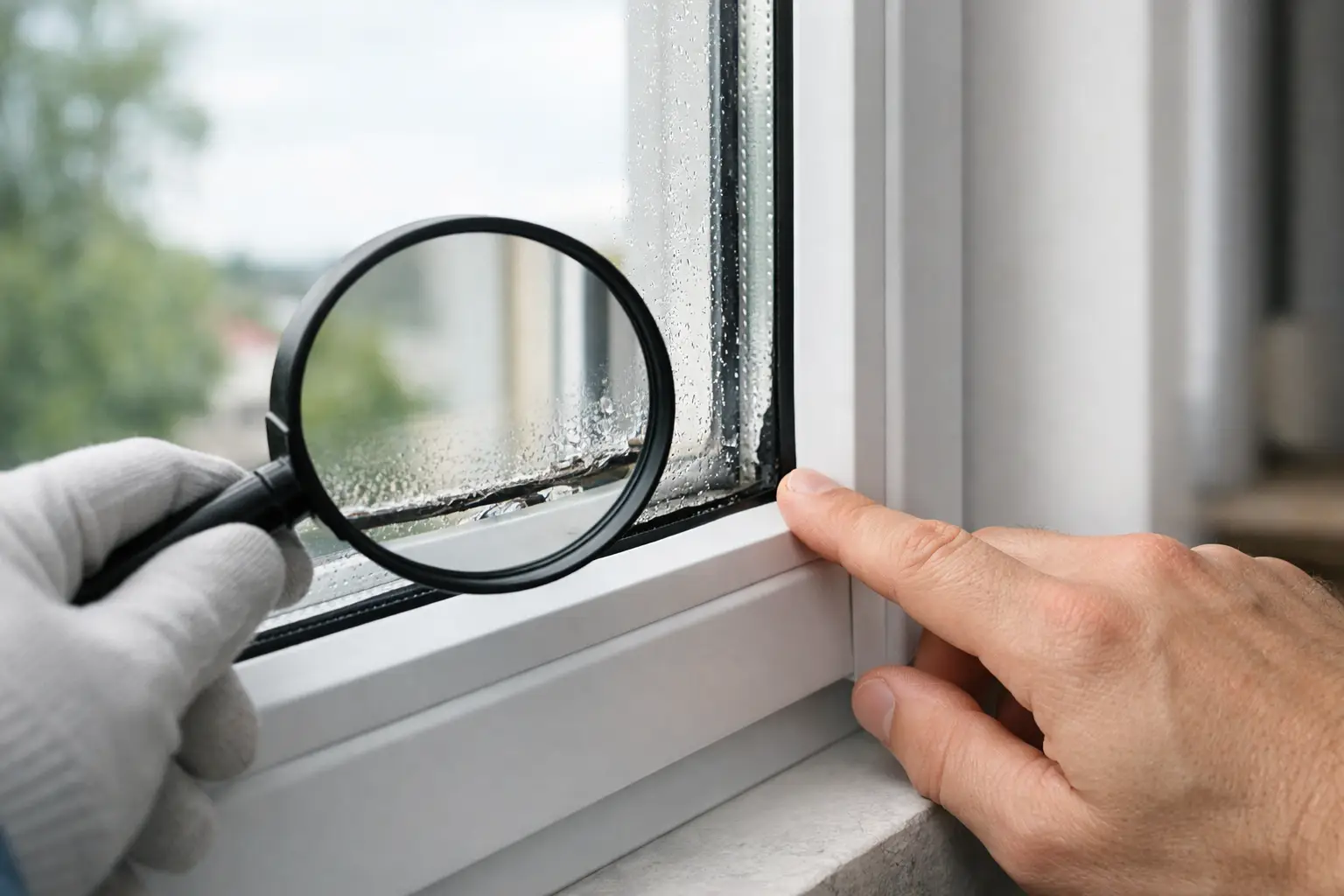
Most facade deterioration is not caused by one dramatic event. It builds gradually through exposure, movement, and delayed attention. Pollution and traffic residue can create stubborn deposits that damage finishes if left in place. Moisture can enter through failed joints, hairline cracks, or aging interfaces around windows and panel systems. UV exposure breaks down coatings and sealants over time. Organic growth thrives on damp, shaded elevations and can accelerate staining and surface decay.
Material type also changes the risk profile. Glass, stone, metal cladding, precast concrete, painted render, and heritage finishes all age differently and require different maintenance responses. An approach that works for one surface can damage another. This is why generalized cleaning or reactive repair programs often miss the mark. Protection has to be facade-specific.
Buildings with complex geometry, recessed sections, decorative features, or limited roof access need even more attention. These areas tend to trap moisture and debris while also being harder to inspect. If access is poor, maintenance is often delayed. Unfortunately, difficult access does not reduce deterioration. It simply makes defects easier to overlook.
A proactive plan works better than reactive repair
The strongest case for commercial facade asset protection is not aesthetic. It is operational control. When inspection and maintenance are planned, building teams can identify priority areas, document changes over time, and schedule targeted interventions before defects spread.
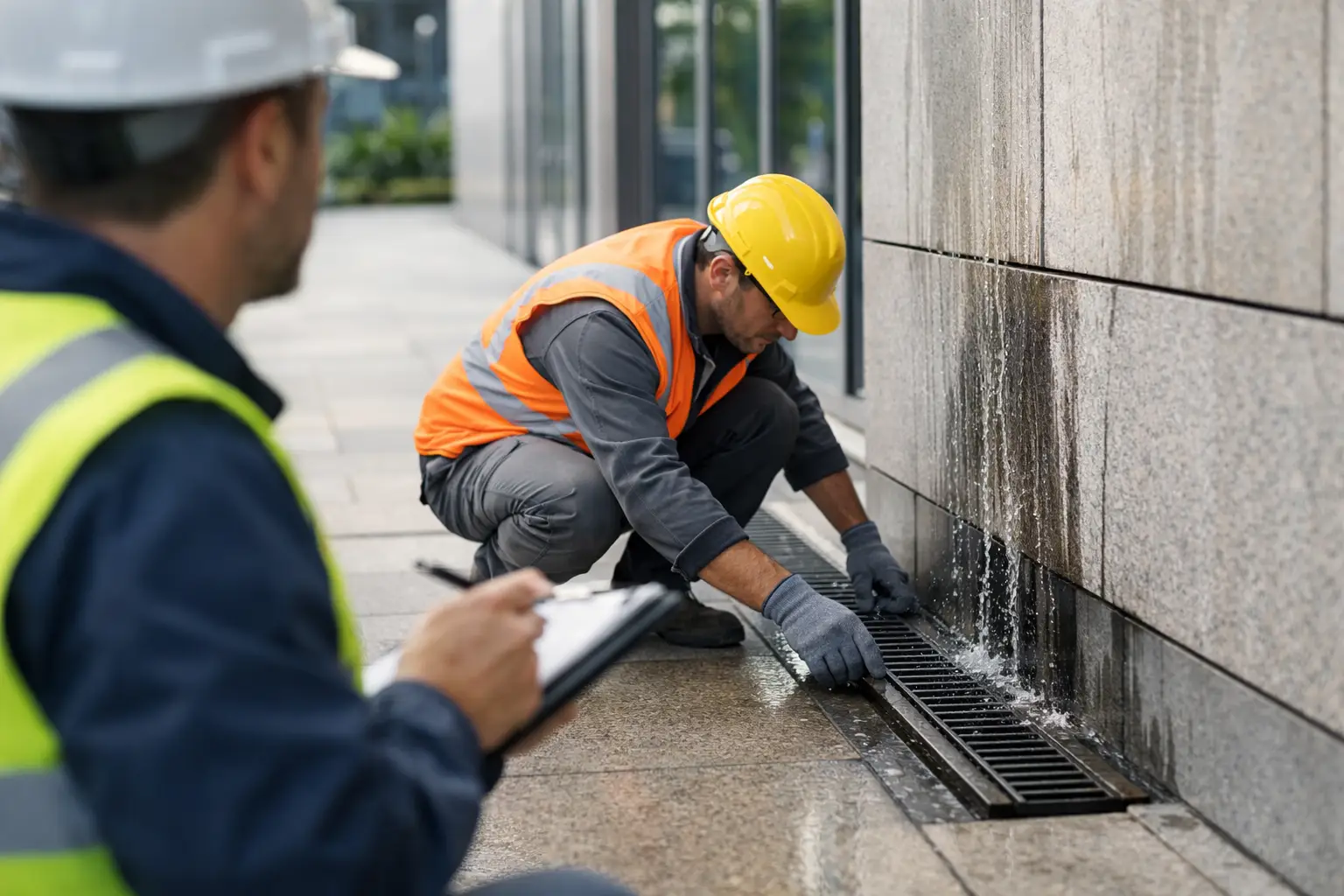
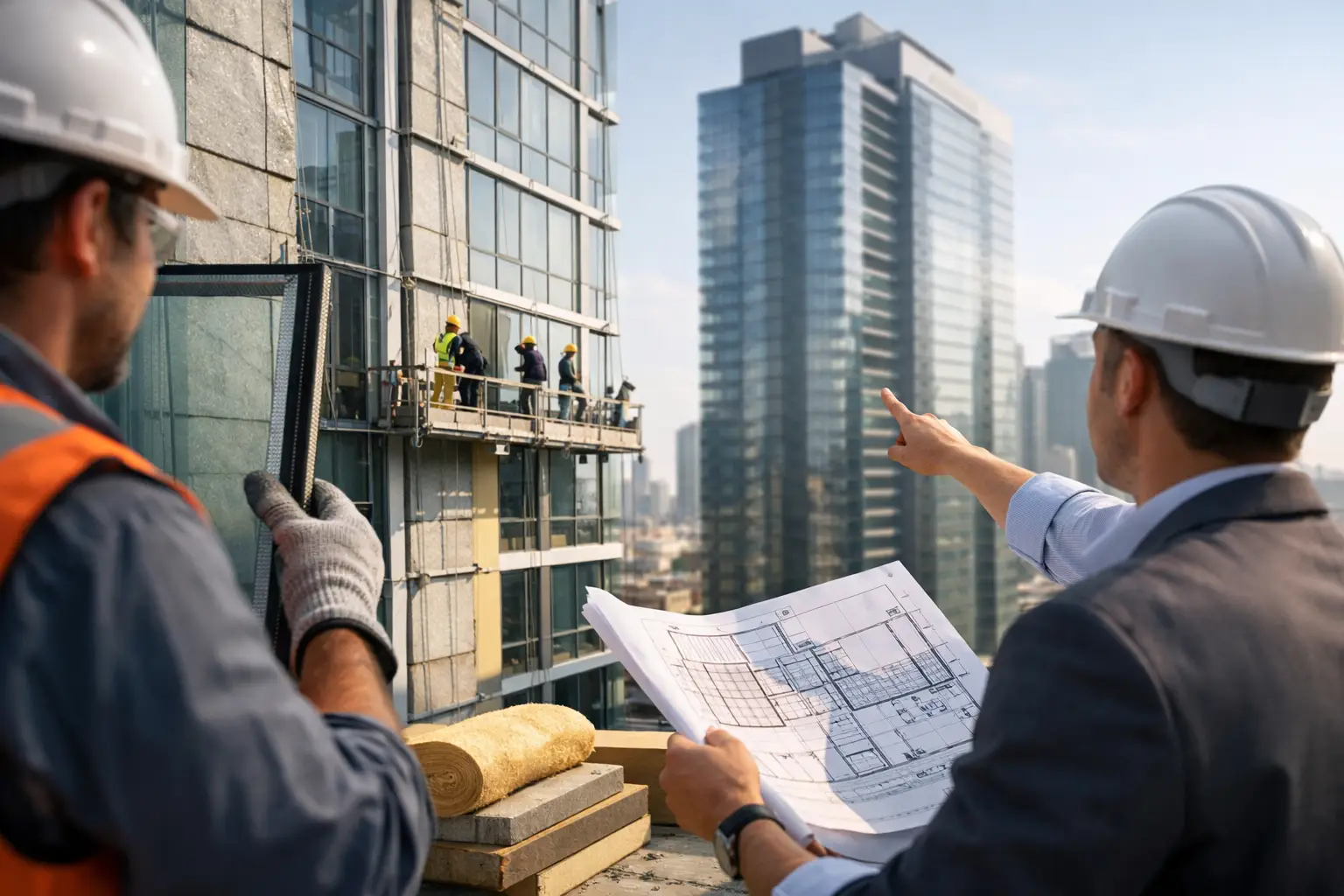
A proactive program usually starts with condition assessment. That means looking beyond visible dirt to evaluate joints, sealants, cracks, coatings, drainage paths, anchorage points, glazing interfaces, and surface integrity. Once the facade condition is understood, maintenance can be prioritized based on risk rather than guesswork.
Cleaning is often the first visible step, but it should be guided by technical judgment. Not every stain requires aggressive treatment, and not every surface can tolerate the same method. Water-fed cleaning, soft washing, chemical treatment, or more specialized restoration techniques each have their place. The wrong process can etch glass, damage coatings, or force water into vulnerable areas.
Repair and restoration should follow the same logic. Some defects can be stabilized with localized treatment. Others point to a wider failure pattern that needs closer review. A small joint issue across one elevation may suggest broader sealant aging across the entire building. This is where facade specialists add value. They help distinguish isolated wear from system-level decline.
The role of access in facade asset protection
Access strategy is often overlooked until a building team needs urgent work performed at height. By then, the lack of planning can slow response and limit options. For tall buildings, difficult elevations, and architecturally complex surfaces, access is part of the protection strategy itself.
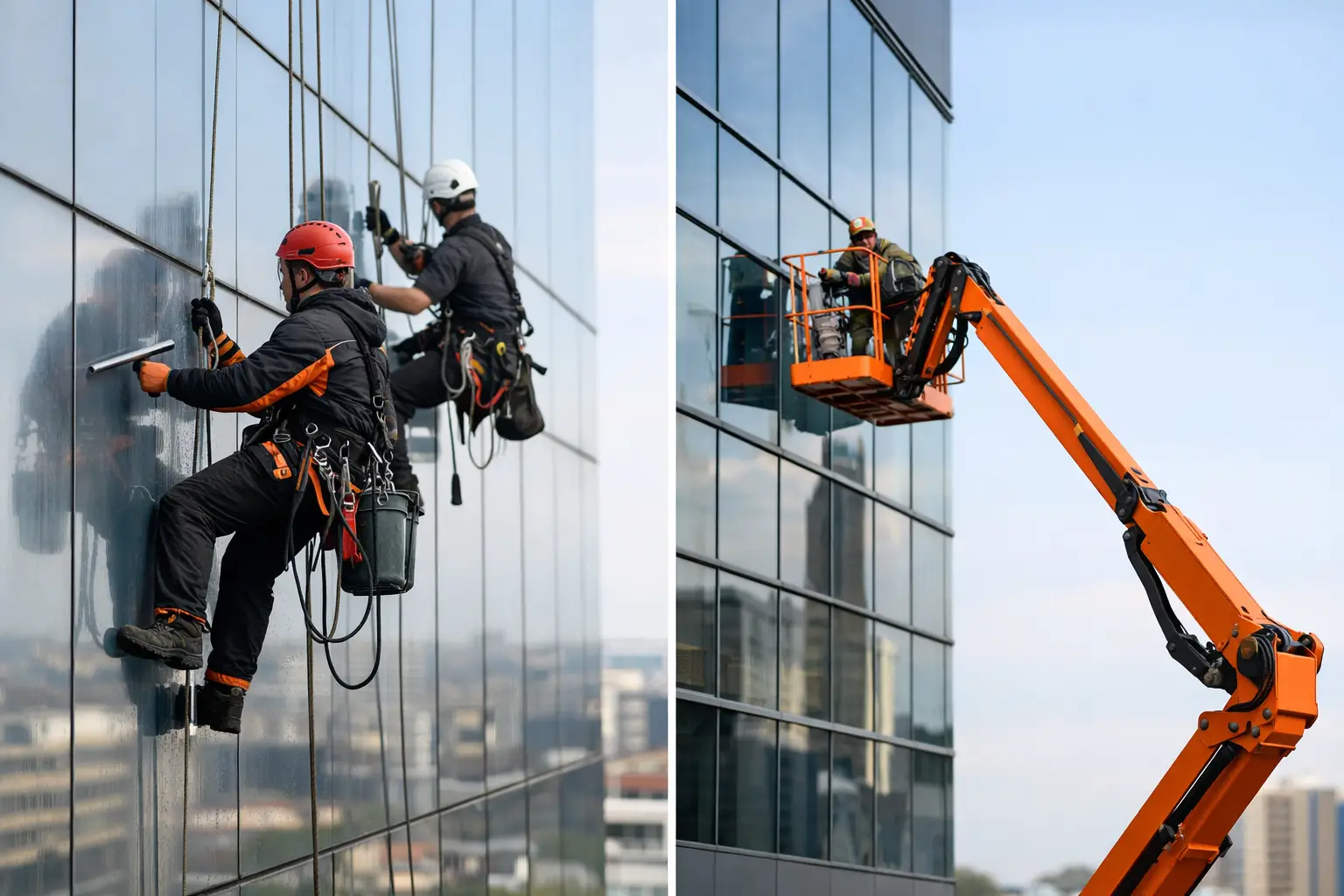
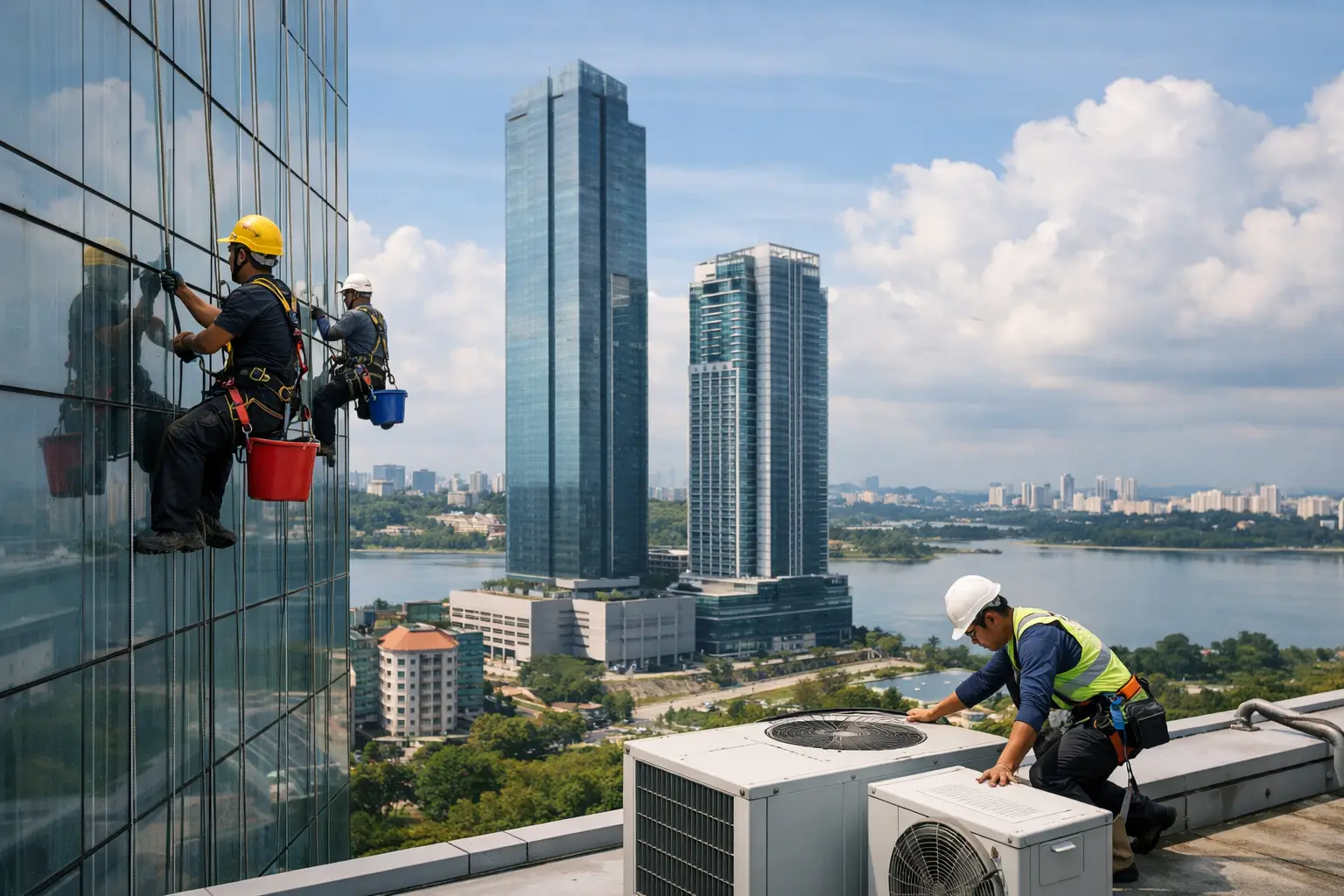
Rope access is especially valuable where conventional systems are impractical or disruptive. It allows trained technicians to reach localized problem areas efficiently while maintaining close visual contact with the facade. For inspections, cleaning, and targeted repairs, this can improve both speed and accuracy.
That said, the right access method depends on the building, the scope of work, and the risk profile. Rope access is not a universal answer. Some projects call for suspended platforms, boom lifts, or hybrid access planning. What matters is using a method that supports safe execution without compromising the facade or the building’s daily operations.
For occupied properties, this point is critical. Commercial buildings cannot pause normal activity every time exterior maintenance is needed. Asset protection plans should account for tenant movement, entry points, traffic flow, and work sequencing so facade care can happen with minimal disruption.
How to tell when your building needs attention
Not every warning sign is dramatic. In fact, many early indicators are easy to dismiss because the building still appears functional. Repeated staining below joints, persistent damp patches, peeling coatings, visible sealant shrinkage, uneven surface discoloration, and fine cracking around openings all deserve closer review.
If one elevation weathers faster than the others, that is also worth investigating. Sun exposure, prevailing rain direction, and nearby environmental conditions often create uneven deterioration patterns. Comparing facade zones instead of judging the building as a whole can reveal where maintenance should start.
Buildings that have not had a structured facade review in several years are another concern, particularly if they are exposed to heavy urban pollution or frequent rainfall. A lack of visible failure does not always mean the facade is performing well. It may only mean the defects have not reached the point where they are obvious from ground level.
Protecting value through specialized facade care
Commercial facade asset protection works best when it is handled as a specialist discipline rather than folded into general maintenance without technical oversight. Exterior systems are exposed, variable, and often difficult to access. They need trained assessment, material-aware methods, and execution that takes safety seriously.
For asset owners, building managers, and management teams, the objective is straightforward. Keep the facade clean enough to present well, sound enough to perform properly, and monitored enough that hidden deterioration does not gain momentum. That requires consistency more than urgency. Buildings rarely fail because one cleaning cycle was missed. Problems grow when warning signs are repeatedly postponed.
Facade by Vertical Pro Sdn Bhd works in this space because exterior preservation is not secondary work. It is a specialized responsibility tied directly to building lifespan, safety, and reputation.
The best time to protect a facade is when the damage still looks small from the ground.
Discuss the next step
For advice on commercial facade asset protection, request a site assessment or quotation from Vertical Pro.
A technically correct repair can still be poorly planned if safe access is treated as an afterthought. DOSH Malaysia’s fall-prevention guidance provides a structured basis for the work-at-height plan.
Leave a Reply