

A useful review of signs of facade damage starts with the actual building: its materials, exposure, defect history, height and access constraints.
Facade problems usually show warning signs first: a hairline crack near a window line, staining that keeps returning after rain, sealant that has started to pull away, or panels that no longer sit quite right. For building owners and facility teams, spotting the top signs facade damage presents early can make the difference between planned maintenance and a larger operational problem.
On high-rise and mid-rise properties, those warning signs are easy to miss from ground level. That is part of the risk. Exterior deterioration is not just an appearance issue. It can signal water intrusion, material breakdown, weakened attachment points, or maintenance gaps that grow more serious in Malaysia’s wet, humid, and high-UV conditions.
Why facade damage should never be treated as cosmetic only
A building exterior does several jobs at once. It protects the structure from weather, helps manage moisture, supports energy performance, and shapes how tenants, visitors, and stakeholders perceive the asset. When facade elements begin to deteriorate, the first visible symptom may look minor, but the underlying cause may not be.
This is especially true with buildings exposed to heavy rainfall, urban pollution, and constant heat cycling. Materials expand and contract. Sealants age. Coatings lose performance. Moisture finds entry points. Dirt buildup can also hide defects until they become advanced enough to create interior leaks, concrete spalling, or safety concerns.
That is why a disciplined inspection approach matters. The goal is not to react only when damage becomes obvious. It is to recognize the pattern early and determine whether the issue is superficial, progressive, or structurally relevant.
Top signs of facade damage building teams should recognize
Some warning signs are visible from afar, while others only become apparent during a closer facade assessment. The most important thing is not to judge any one sign in isolation. Condition, location, repetition, and severity all matter.
Cracks in render, concrete, joints, or cladding lines
Cracks are often the first issue people notice, but not all cracks mean the same thing. Fine surface cracking in coatings may point to aging finishes, while wider or repeated cracking around openings, slab edges, or panel joints can indicate movement, moisture exposure, substrate deterioration, or installation stress.
The key concern is pattern. If cracks continue to lengthen, reappear after patching, or cluster around specific facade features, they deserve closer review. Cracks near windows, parapets, balconies, and transition points often matter more because these areas are already vulnerable to water ingress.
Water stains, streaking, and persistent discoloration
Staining is frequently dismissed as a cleaning issue. Sometimes it is just that. But when stains return quickly, appear below joints, or spread in vertical paths, they can reveal moisture movement behind the facade or poor drainage behavior.
Dark streaks under ledges, rust-colored marks near embedded metal, and damp patches that remain after dry weather all point to conditions worth investigating. On painted or coated surfaces, bubbling, peeling, or patchy fading alongside staining may suggest trapped moisture rather than simple dirt accumulation.
Spalling concrete and exposed reinforcement
Concrete spalling is one of the clearer indicators that deterioration has moved beyond the surface. You may first see cracking, bulging, or loose fragments. Over time, sections of concrete can break away and expose steel reinforcement.
Once reinforcement is exposed, corrosion risk rises. As steel corrodes, it expands, which creates internal pressure and causes further cracking and delamination. On occupied properties, this is not only a durability issue but also a safety priority, especially at height or above pedestrian areas.
Failed sealant around windows, joints, and facade transitions
Sealant is easy to overlook because it occupies narrow lines rather than broad surfaces. Yet it plays a major role in keeping water out of the building envelope. When sealant becomes brittle, shrinks, separates from adjacent materials, or shows visible gaps, the facade becomes more vulnerable to leaks and hidden moisture damage.
This problem often appears around window perimeters, movement joints, service penetrations, and transitions between different facade materials. In tropical conditions, sealant failure can accelerate faster than some teams expect, particularly on elevations with strong sun exposure and repeated wet-dry cycles.
Loose, displaced, or misaligned facade elements
Facade panels, tiles, trim pieces, and metal features should sit consistently within the system. If elements begin to shift, bow, detach at corners, or show uneven joint spacing, it may point to movement, failed anchors, substrate degradation, or water-related expansion.
This is one of the most serious categories of visible distress because it can affect public safety as well as building performance. Even if only a small area appears loose, the right response is a proper inspection, not a visual assumption from ground level.
Efflorescence and white mineral deposits
A white, chalky residue on masonry, concrete, or render surfaces is often efflorescence. It forms when water moves through a material, dissolves salts, and leaves them behind as it evaporates. Efflorescence itself is not always severe, but it is a useful sign that moisture is traveling where it should not or more often than intended.
Repeated deposits usually mean the moisture source is ongoing. That source may be leaking joints, failed waterproofing, cracks, or drainage defects. In that sense, efflorescence is less the problem than the evidence.
Mold, algae, or biological growth in isolated areas
Biological growth is common on exterior surfaces in humid environments, but location matters. Uniform light growth on shaded elevations may reflect normal environmental exposure. Heavier growth concentrated around joints, window heads, planter interfaces, or drainage points may indicate persistent moisture retention.
When growth appears in specific recurring zones, it is worth asking why water is collecting there. Cleaning may improve appearance, but if the moisture pathway remains unresolved, the condition usually returns.
Interior leaks that trace back to the facade
Sometimes the facade’s warning signs show up indoors first. Water marks on interior walls, dampness near windows, peeling paint, or recurring leaks after storms can all relate to exterior envelope defects.
That does not always mean the visible exterior surface is the only source. Water can travel behind cladding, through failed joints, or across slab edges before appearing inside. This is why leak complaints should be treated as building-envelope issues, not just interior maintenance tasks.
What makes facade damage progress faster
Not every building deteriorates at the same rate. Age matters, but exposure and maintenance history matter just as much. A tower with prolonged sun exposure, limited cleaning, aging sealants, and deferred inspections will usually show earlier facade stress than a similar building with structured upkeep.
Design details also influence risk. Buildings with many transitions, projections, decorative features, or mixed materials often have more vulnerable points where water can enter or movement can concentrate. High-rise access challenges can make those areas harder to inspect regularly, which allows small issues to remain unnoticed longer.
In Malaysia, frequent rain, humidity, airborne pollutants, and UV intensity create a demanding environment for facade systems. That does not mean damage is inevitable, but it does mean exterior maintenance should be planned with local conditions in mind rather than treated as occasional cleanup.
When a visible issue needs urgent attention
Some facade defects can wait for scheduled assessment. Others should be escalated immediately. If there is loose material, falling debris risk, exposed reinforcement, rapidly worsening cracks, active water entry, or visible displacement of facade components, the issue should be treated as a safety and asset-protection priority.
The challenge for many property teams is that urgency is not always obvious from appearance alone. A small crack may be harmless surface crazing, or it may be the visible edge of a more significant condition. A stain may be old runoff, or it may reflect an active leak path. This is where specialized facade inspection adds value – not by assuming the worst, but by identifying the cause accurately.
The value of early facade assessment
Early assessment gives building stakeholders options. If a problem is identified while it is still localized, repairs can be targeted, access can be planned properly, and disruption can be minimized. It also helps maintenance teams distinguish between cleaning needs, restoration needs, and conditions that affect safety or long-term performance.
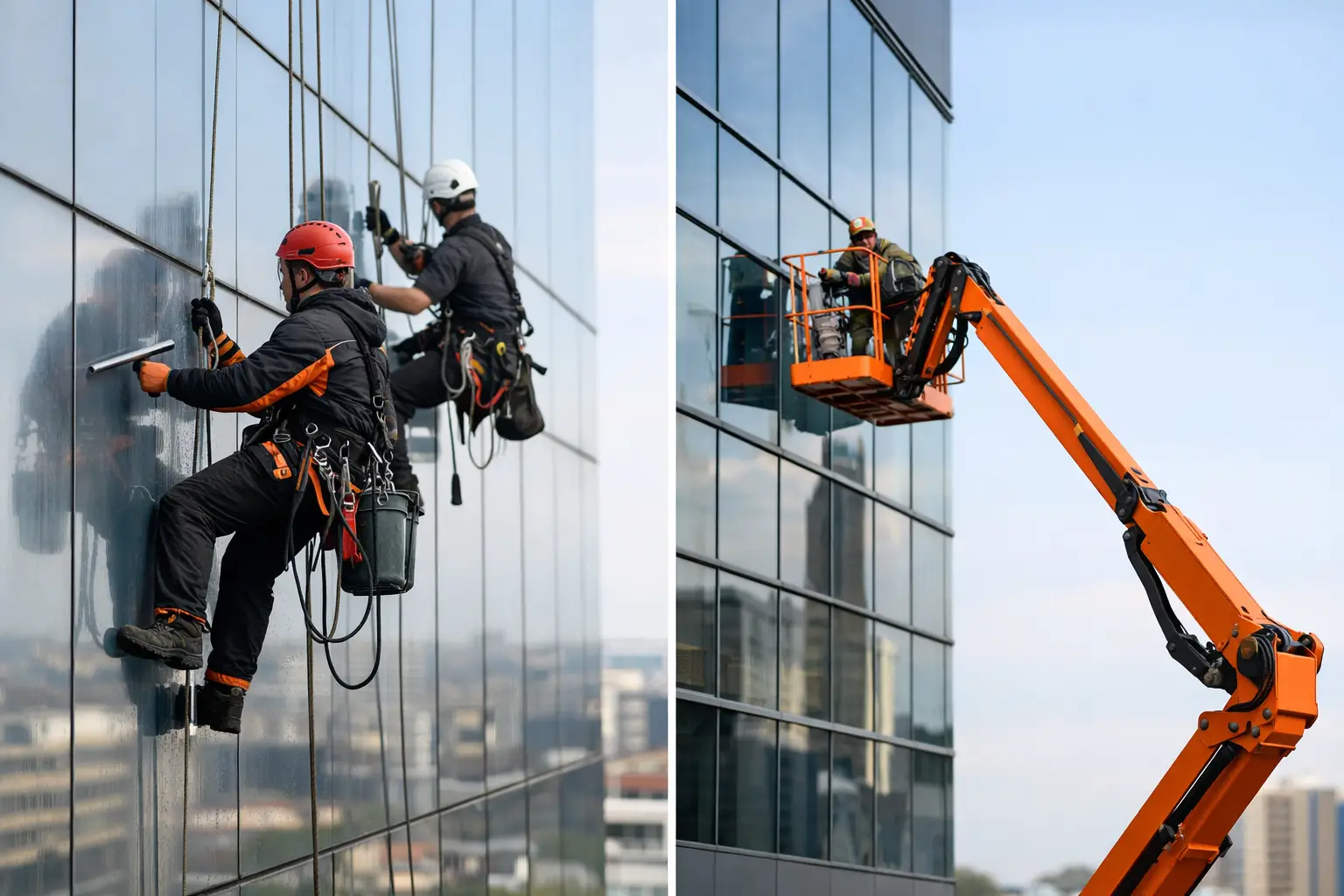
For taller properties, access method matters as much as diagnosis. Rope access and other specialized high-rise inspection approaches allow close evaluation of areas that cannot be judged reliably from the ground. That is particularly important when the suspected issue involves joints, sealants, panel fixings, or localized distress on upper elevations.
Facade by Vertical Pro Sdn Bhd works in this space because exterior condition is too important to leave to guesswork. When the signs are read correctly and acted on early, buildings stay safer, look better, and hold their performance longer.
The best time to respond to facade damage is usually before it becomes dramatic. If your building is already showing cracks, staining, failed sealant, or unexplained leaks, the most practical next step is not to wait for clearer evidence – it is to get a closer look while the problem is still manageable.
Discuss the next step
For advice on signs of facade damage, request a site assessment or quotation from Vertical Pro.
For work above ground level, the scope should include fall prevention and public protection—not only the technical task. See DOSH Malaysia’s fall-prevention guidance for the relevant safety framework.




Leave a Reply