
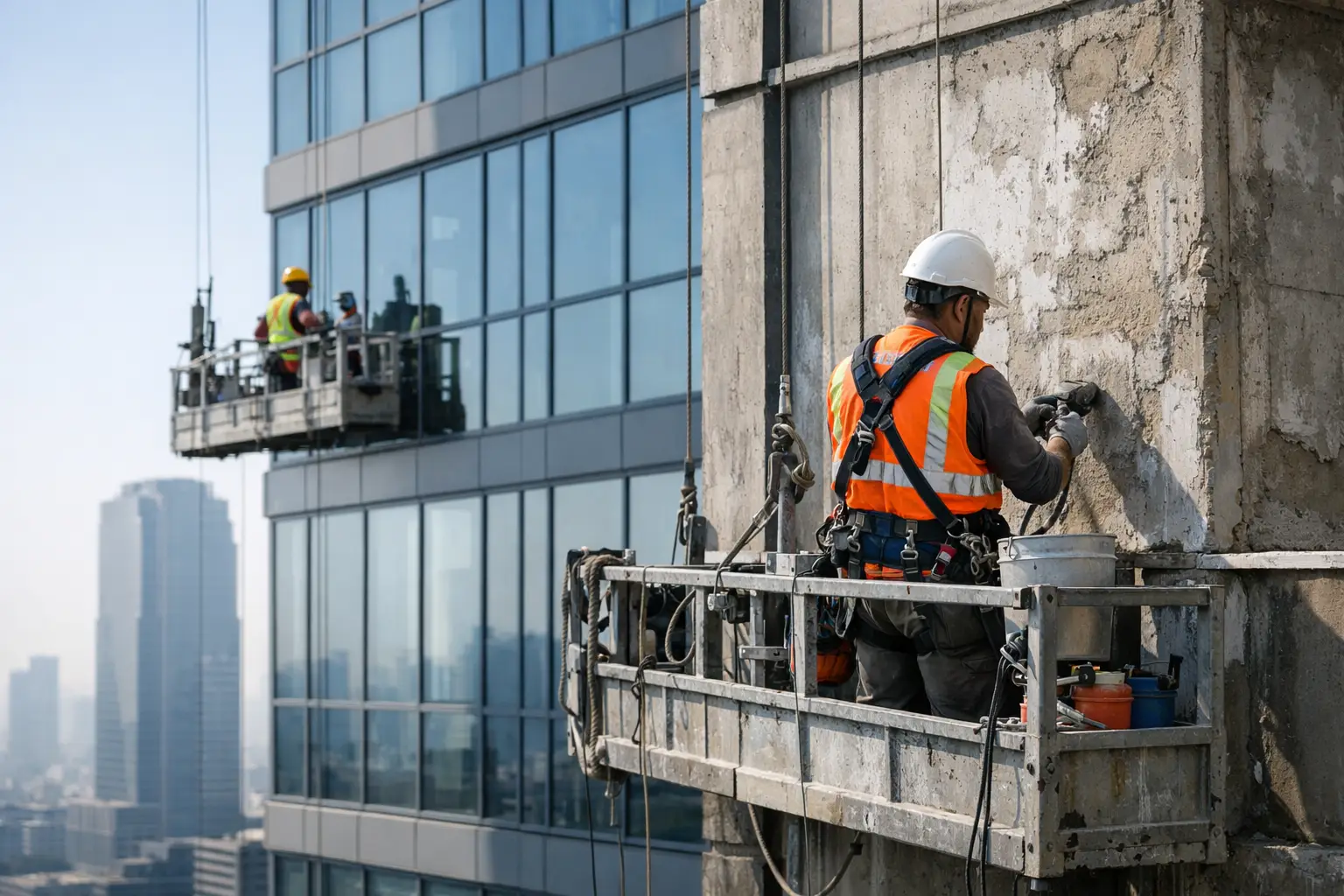
Early facade warning signs are often easy to overlook: cracked sealant at movement joints, stained concrete below a window line, loose coating at parapets, or recurring water marks after heavy rain. In high rise facade restoration, those early symptoms matter because minor exterior defects can develop into safety risks, water intrusion, and more disruptive repairs if they are left unaddressed.
For building owners and facility teams, the challenge is not simply fixing what looks worn. The real task is understanding what is happening across the building envelope, how access will be managed safely, and which repair methods will extend service life without creating future maintenance problems. That is what separates cosmetic patchwork from restoration work that genuinely protects the asset.
What high rise facade restoration actually involves
High rise facade restoration is the planned repair and renewal of exterior building elements so the facade can continue to perform as intended. That may include concrete repair, sealant replacement, crack treatment, coating renewal, localized replacement of damaged facade components, and correction of water entry points. On some buildings, restoration also includes cleaning as part of the process, not for appearance alone but to expose defects and prepare surfaces properly.
The scope depends on the facade system. A painted concrete tower, a curtain wall building, and a tiled residential block will deteriorate differently. Even buildings of the same age may require very different interventions depending on orientation, maintenance history, construction quality, and exposure to traffic pollution, heat, wind, and heavy rainfall.
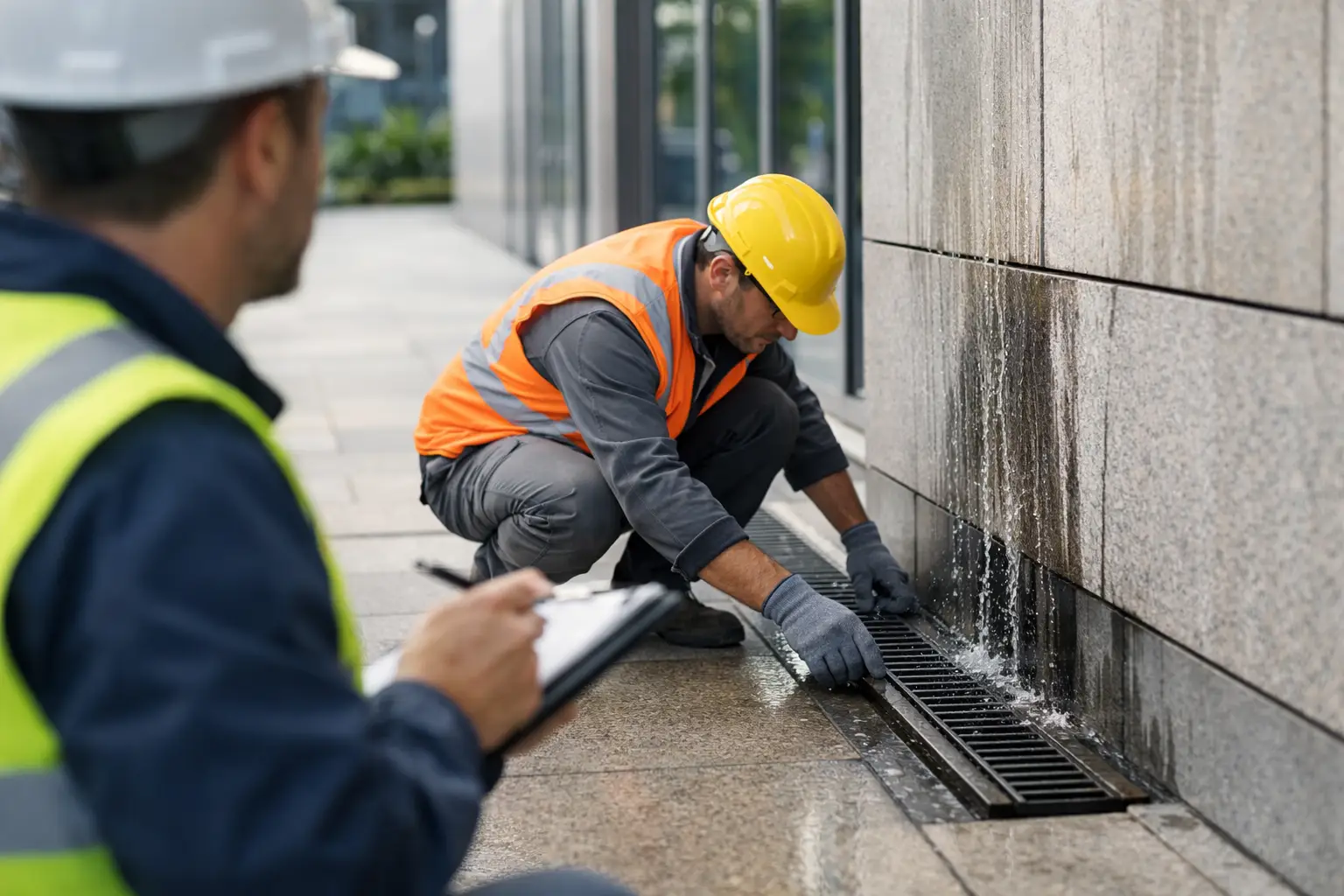
That is especially relevant in Malaysia, where high humidity, intense sun, and repeated wet-dry cycles accelerate staining, coating breakdown, sealant fatigue, and water-related defects. A facade may still look acceptable from the ground while hidden deterioration is already affecting joints, anchors, edges, and substrate integrity at higher elevations.
Why restoration is about more than appearance
A neglected facade affects far more than curb appeal. Exterior defects can compromise safety if loose materials detach or if deterioration reaches embedded components. Water penetration can migrate behind finishes, damage interior spaces, affect occupant comfort, and create persistent maintenance complaints. In commercial and residential assets alike, facade condition also influences tenant perception, marketability, and confidence in overall building management.
There is also a timing issue. Early restoration is usually more controlled because the work can target defects before they spread. Once moisture ingress becomes chronic or surface failure begins to expose deeper material damage, repair planning becomes more complex. Access periods may need to be longer, more areas may require intervention, and operational coordination becomes harder.
This is why experienced building managers treat facade restoration as part of asset preservation, not as a reactive response to visible wear.
The signs a building may need high rise facade restoration
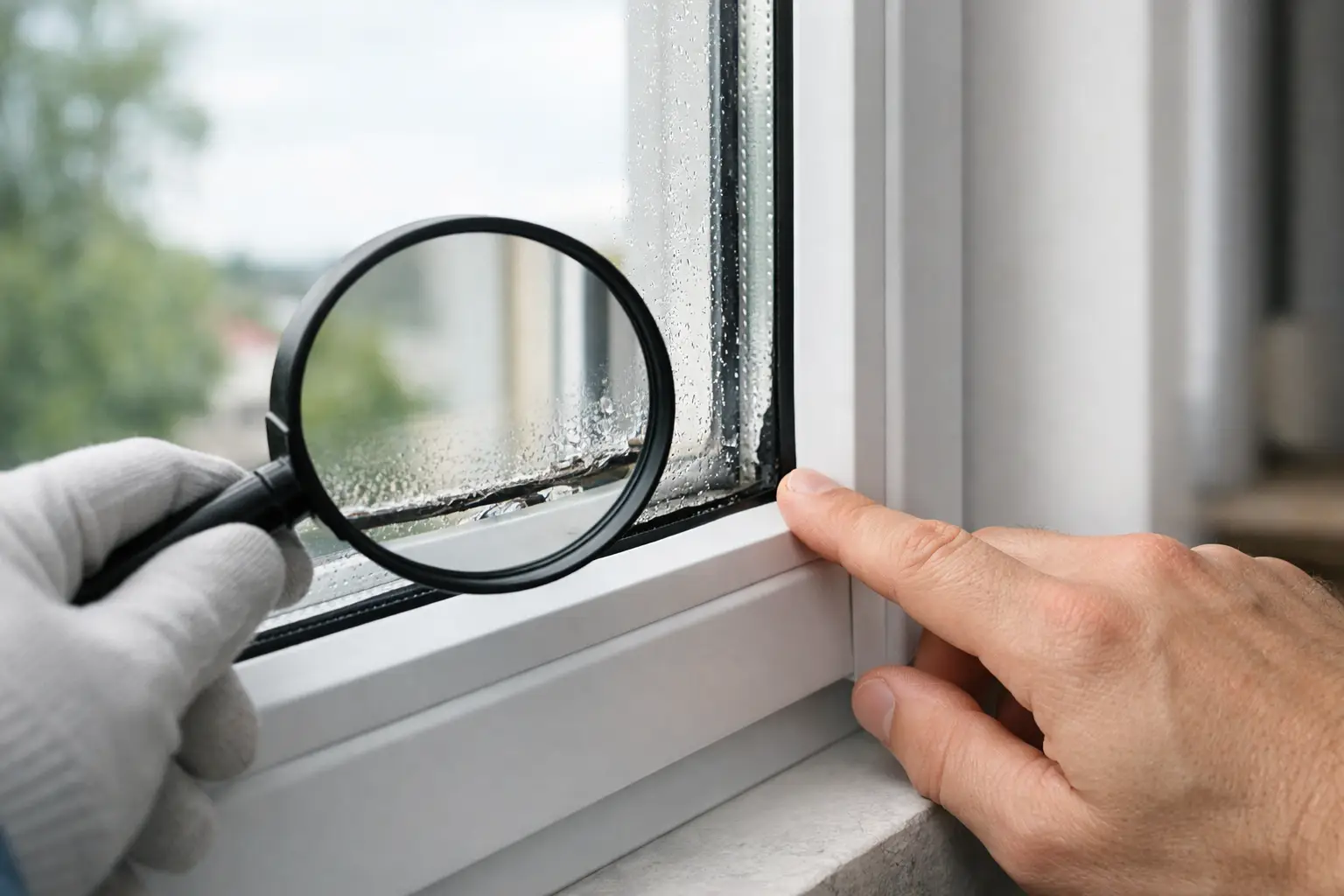
Some indicators are obvious, such as spalling concrete, cracked render, failed sealant joints, peeling paint, corroded metal elements, or detached tiles. Others are easier to miss. Uneven staining, algae growth concentrated around joints, recurring leaks after storms, efflorescence, and hairline cracking near slab edges can all point to developing facade issues.
Pattern matters as much as severity. If defects are repeated around window perimeters, expansion joints, or facade transitions, the issue may be systemic rather than isolated. A single repair in one location may not solve the problem if the same detail is failing across multiple elevations.
That is why inspection comes first. Before repair methods are chosen, the building needs to be assessed in context – facade type, age, exposure, previous repairs, access constraints, and the likely causes behind the visible damage.
Inspection is where good restoration decisions begin
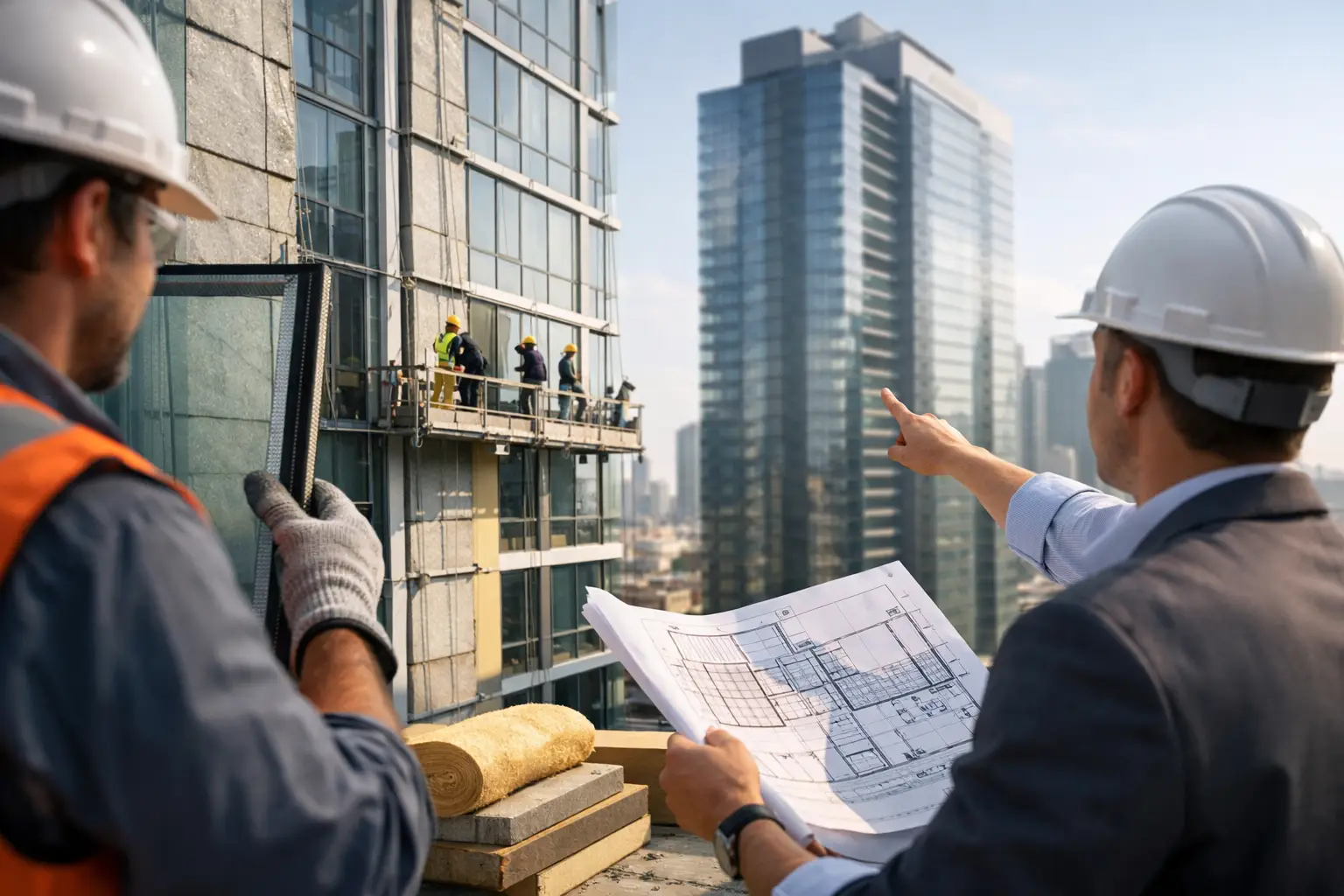
An effective restoration program starts with a close-condition survey. At high level, that means more than viewing the exterior from the ground. Elevated inspection methods, often using rope access, allow technicians to identify cracks, joint failures, delamination, failed coatings, corrosion-related damage, and sealant deterioration with greater accuracy.
This stage is critical because facade defects often interact. For example, a coating failure may look like a paint problem, but the root cause could be trapped moisture from cracked substrate or failed sealant above. Repainting without correcting the source will only shorten the life of the repair.
A proper inspection also helps define priorities. Not every defect carries the same level of urgency. Safety-related issues, active leaks, and progressive material failure usually need immediate attention. Other areas may be scheduled as part of a phased restoration plan. For larger properties, this phased approach can be practical because it aligns maintenance planning with risk level and building operations.
Common repair methods and when they make sense
No single repair method fits every facade. Concrete repairs may be necessary where spalling or cracking has exposed reinforcement or weakened the surface. Joint and sealant replacement is often essential where movement, age, and UV exposure have reduced weather resistance. Protective coatings may be renewed where surfaces need improved resistance to moisture and environmental wear.
In some cases, isolated replacement of facade elements is more reliable than repeated patching. In others, targeted repairs combined with surface treatment will restore performance effectively without unnecessary intervention. The right answer depends on substrate condition, compatibility of repair materials, extent of deterioration, and expected movement in the facade.
Trade-offs are real here. A less invasive repair may reduce immediate disruption, but it may not be suitable if the surrounding materials have already degraded. On the other hand, replacing large areas when deterioration is still localized can be unnecessarily extensive. The goal is not the biggest scope. It is the most appropriate one.
Access planning can determine the success of the project
On high-rise buildings, repair quality depends partly on how the work is accessed. If technicians cannot reach critical areas safely and efficiently, inspection accuracy, surface preparation, and repair consistency will suffer. This is one reason facade specialists place so much emphasis on access strategy early in the project.
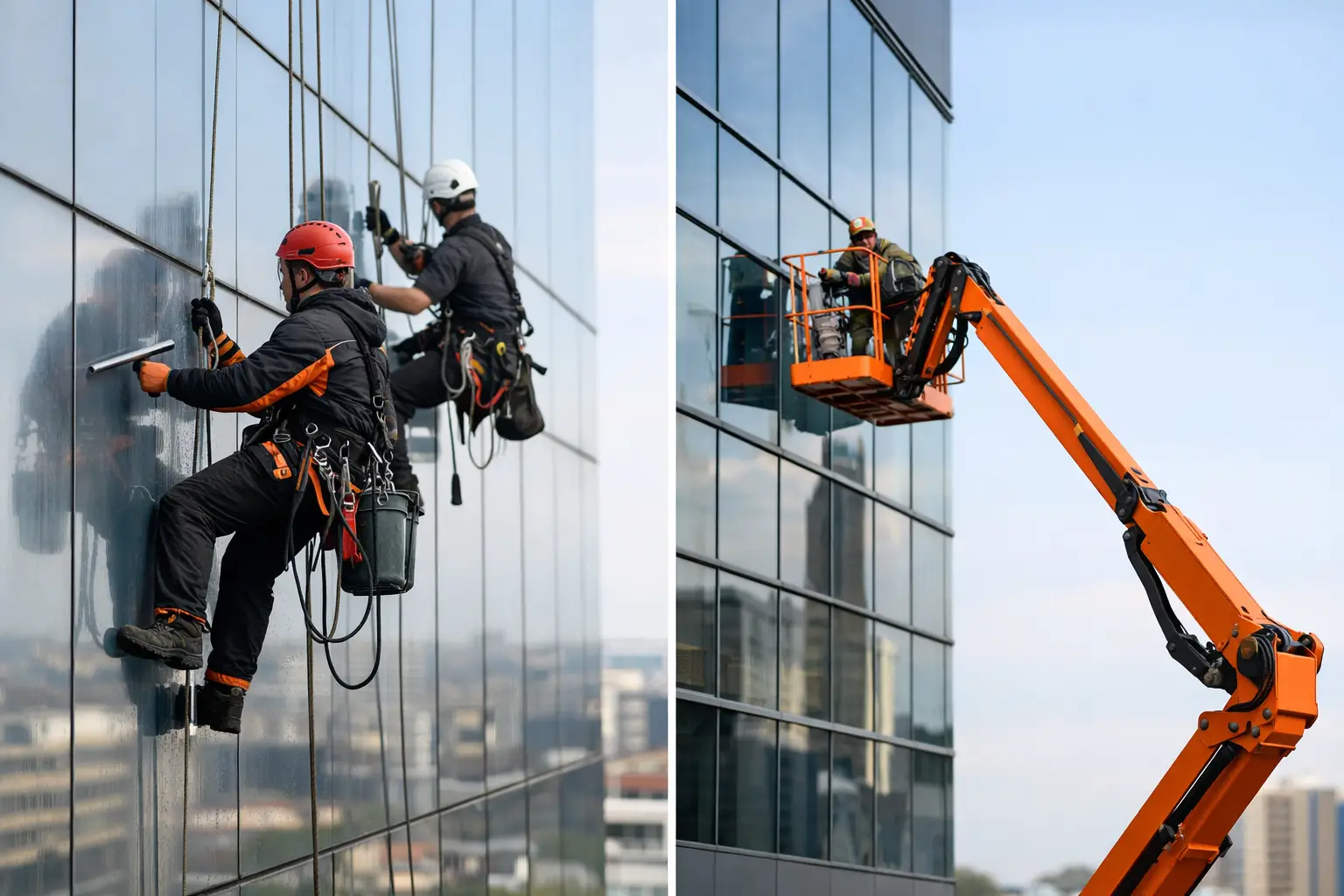
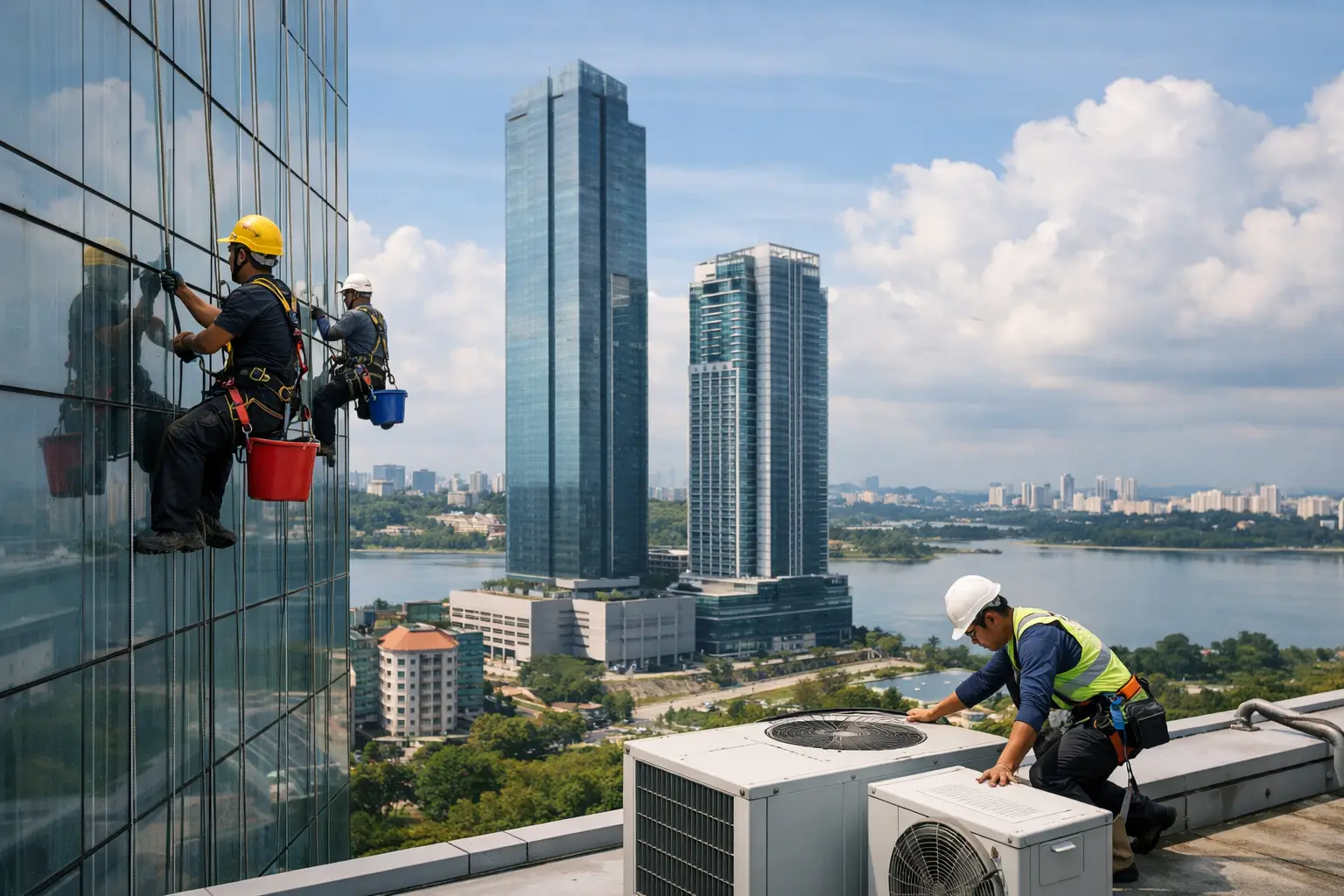
Rope access is often a strong fit for high-rise restoration because it allows close-contact work on difficult elevations with less disruption than heavier access systems in many situations. It can be especially useful for localized repairs, detailed inspections, and buildings with architectural features that complicate conventional approaches. That said, it is not always the only answer. Some projects may still require suspended platforms or other access methods depending on facade geometry, repair type, and site conditions.
What matters is that access is selected around the building and the work scope, not treated as an afterthought. Safety, efficiency, and repair precision are closely linked.
How to reduce disruption during facade restoration
Building owners and managers often worry that restoration work will interfere with tenants, visitors, or daily operations. Good planning makes a major difference. Work zones, timing, material handling, and communication protocols should be established before repairs begin, especially on occupied commercial and residential properties.
Phased scheduling is often useful on larger assets. Instead of addressing every elevation at once, restoration can be sequenced by risk, exposure, or defect concentration. This helps maintain control over site activity while keeping urgent issues moving first.
Clear reporting also matters. Decision-makers need to know what has been found, what is being repaired, and whether conditions on site require scope adjustments. When the restoration process is transparent, it is easier to manage internal stakeholders and maintain confidence throughout the project.
Restoration works best as part of a long-term facade strategy
A facade should not disappear from attention once repairs are complete. Restoration delivers better long-term value when it is followed by routine inspections, cleaning where appropriate, and periodic review of joints, coatings, and vulnerable details. The objective is to extend the life of the completed work and detect new issues before they escalate.
This is where specialized facade contractors add practical value. They are not only repairing visible damage. They are helping owners understand how the facade is aging, which areas are likely to need future attention, and how maintenance can be prioritized over time.
For high-rise assets, that mindset is essential. Exterior deterioration rarely stays isolated for long, especially in demanding climates and dense urban environments. A disciplined restoration approach protects safety, supports appearance, and preserves building performance where it matters most – on the envelope that faces the weather every day.
If your building is showing early signs of facade wear, the best next step is not to wait for the damage to become obvious from the ground. It is to assess the condition properly, address the causes directly, and treat the facade like the long-term asset it is.
Discuss the next step
For advice on high rise facade restoration, request a site assessment or quotation from Vertical Pro.
For work above ground level, the scope should include fall prevention and public protection—not only the technical task. See DOSH Malaysia’s fall-prevention guidance for the relevant safety framework.
Leave a Reply