
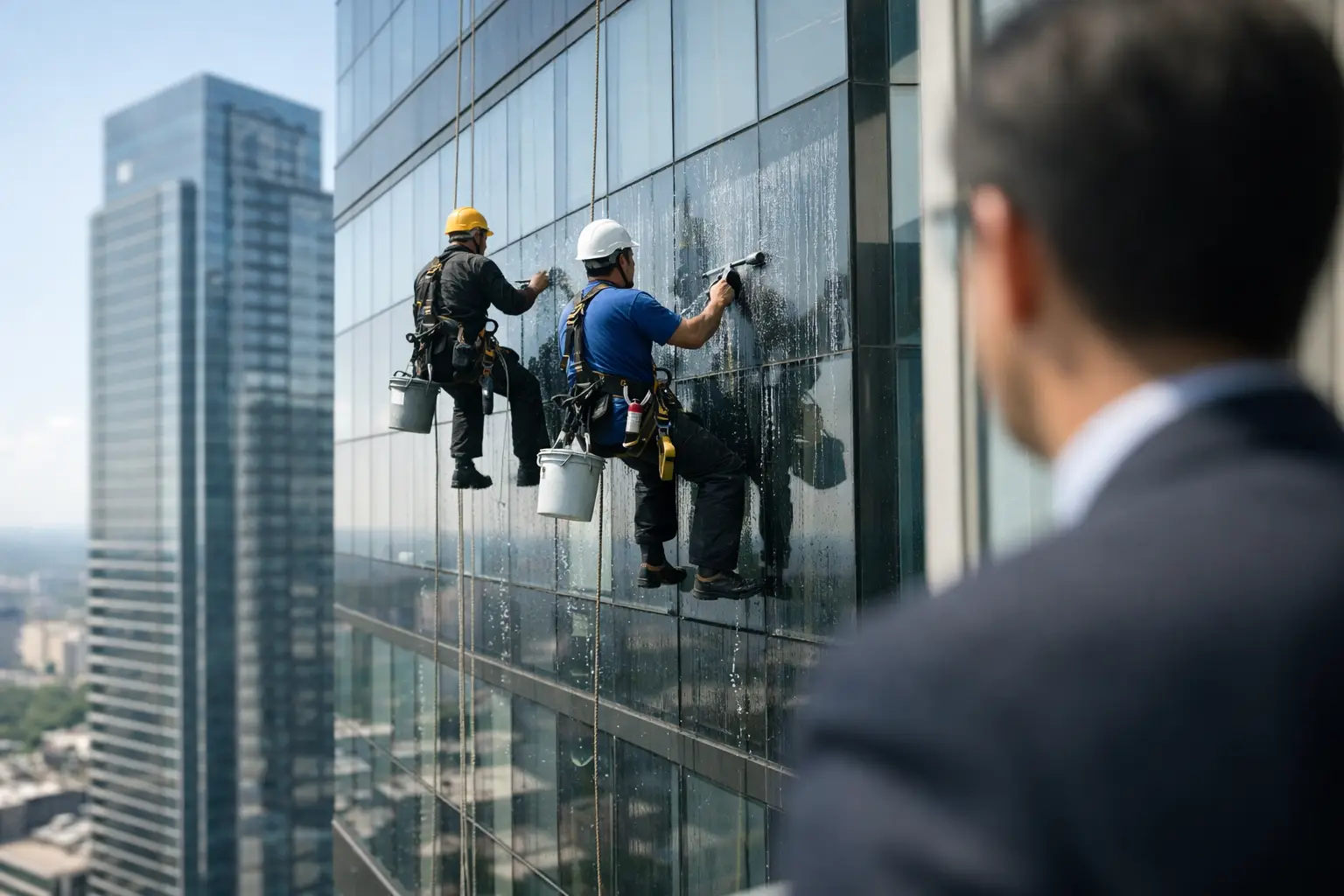
A stained facade is rarely just a cosmetic issue. On a high-rise building, dirt streaks, algae growth, mineral deposits, and trapped pollutants often point to larger maintenance concerns such as water runoff problems, coating wear, or sealant failure. That is why a high rise exterior cleaning guide should start with one clear principle: exterior cleaning is part of asset protection, not a separate beautification task.
For building managers, owners, and facility teams, the challenge is not simply getting glass or cladding washed. It is choosing the right cleaning approach for the facade system, the height, the site conditions, and the building’s operational demands. Done properly, cleaning improves appearance, supports inspection, and helps extend the service life of the exterior envelope. Done poorly, it can damage finishes, disrupt occupants, and create avoidable safety risks.
What a high rise exterior cleaning guide should cover
A useful high rise exterior cleaning guide goes beyond surface-level advice. It should help decision-makers understand what is being cleaned, why contaminants matter, and how access and cleaning methods affect both safety and facade performance.
High-rise exteriors collect more than dust. In dense urban environments, facades are exposed to vehicle emissions, construction residue, biological growth, bird fouling, acid rain effects, and moisture cycling. In Malaysia’s tropical climate, high humidity and heavy rainfall can accelerate staining, mold growth, and runoff marks, especially on porous surfaces and shaded elevations. Buildings near roads, coastal zones, or active commercial districts often show faster buildup and more uneven weathering.
This is where planning matters. Different facade materials respond differently to moisture, detergents, abrasion, and pressure. Glass, aluminum composite panels, stone, painted render, terracotta, and heritage surfaces each need a method suited to their condition and finish. A generic cleaning plan may appear efficient at first, but it can create long-term repair issues if the surface chemistry or access strategy is wrong.
Start with the facade, not the cleaning equipment
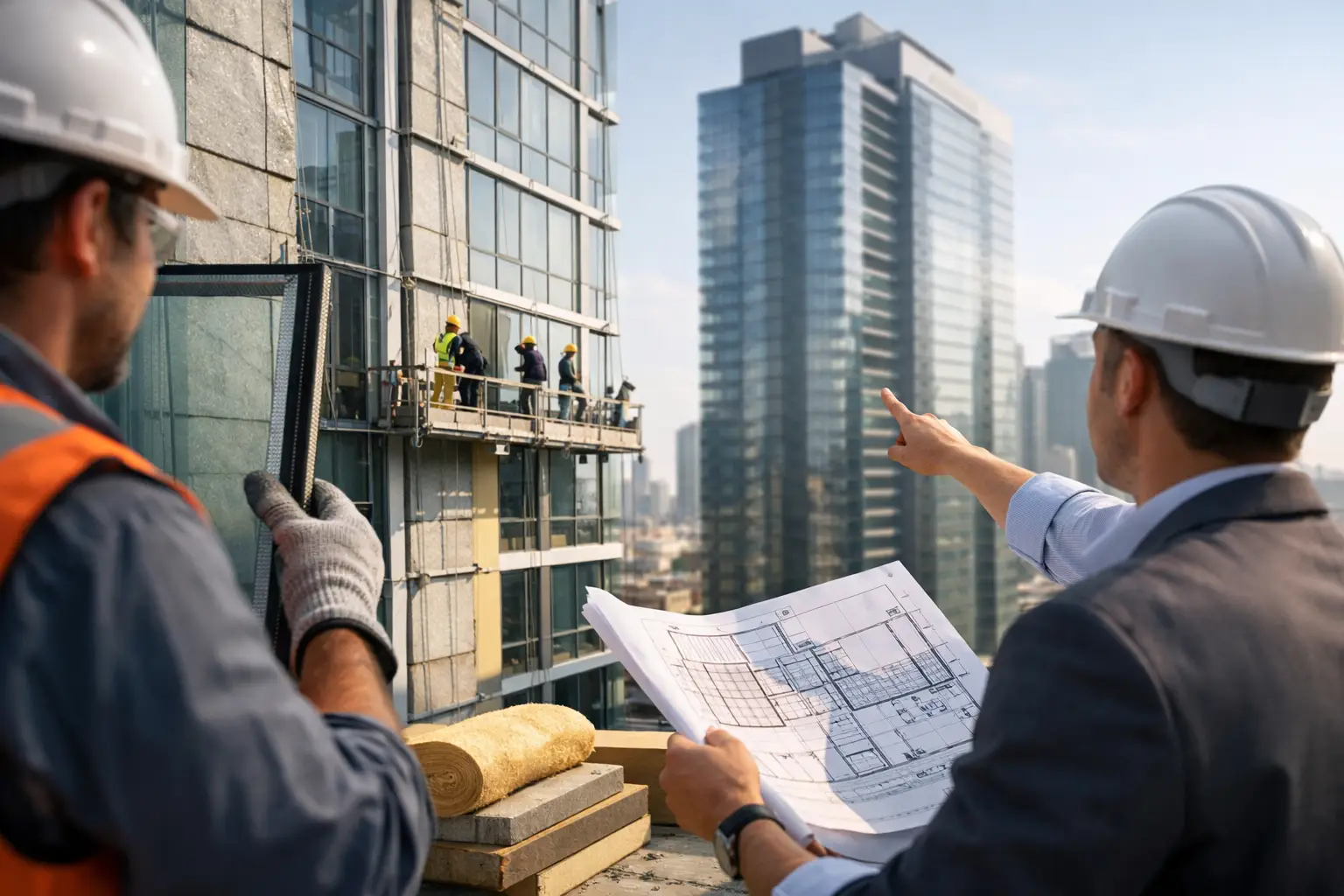
The most common mistake in exterior cleaning planning is choosing the access method or tools before assessing the facade itself. A building should first be reviewed for material type, age, existing defects, previous repairs, and known leak points.
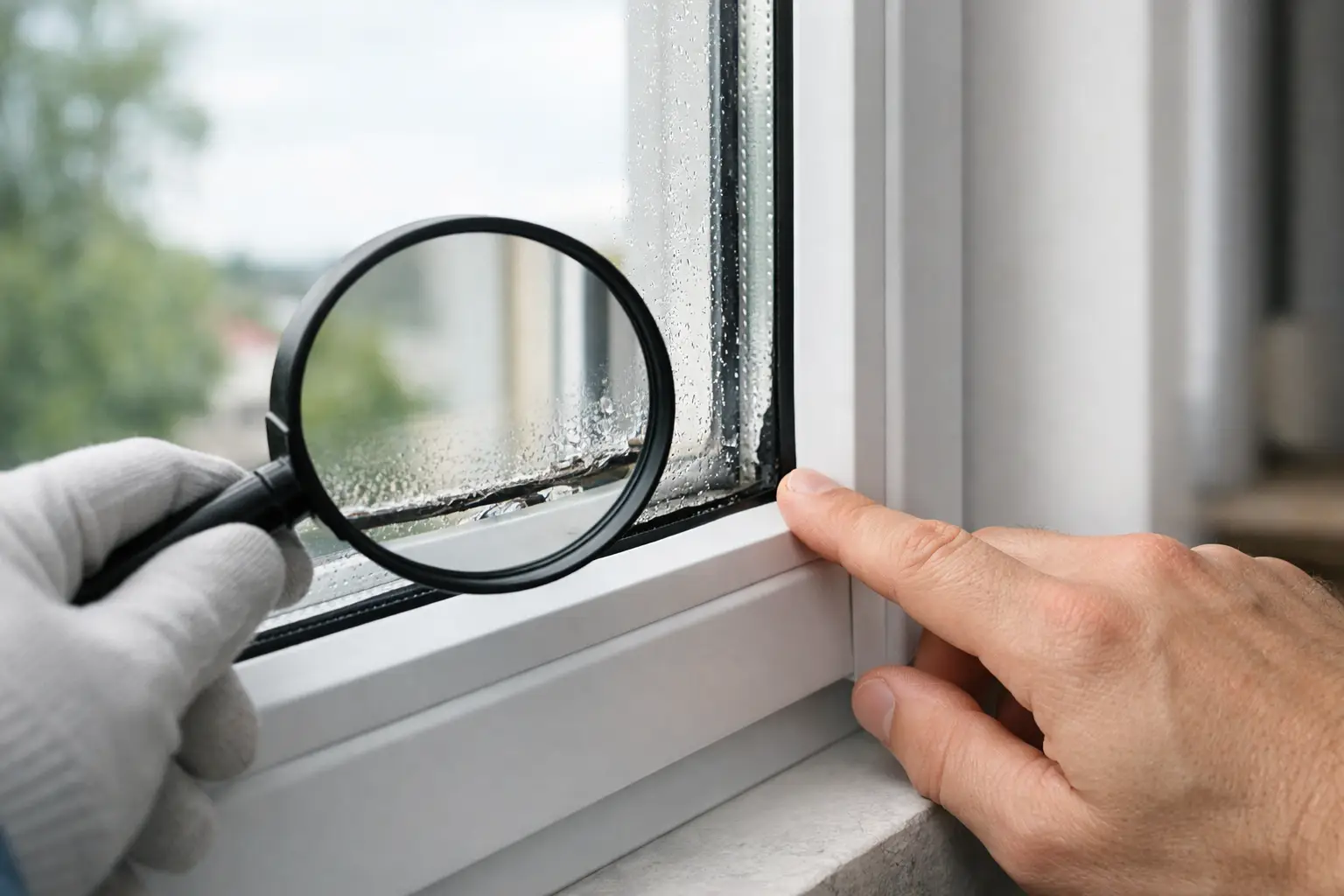
For example, water-fed cleaning may suit one elevation but not another if failed sealant joints or open cracks are present. Soft washing may be appropriate for biological growth on coated surfaces, while abrasive action could permanently mark delicate panels or decorative features. On older buildings, accumulated dirt may also be masking deterioration, so cleaning can reveal spalls, corrosion staining, or failed joints that need follow-up work.
A proper pre-cleaning assessment usually considers four things: facade material, contamination type, access complexity, and surrounding operational constraints. That assessment shapes the method, the cleaning agents, the sequence of work, and the safety controls.
Common high-rise facade contaminants
Not all stains behave the same way, and treating them as if they do often leads to wasted effort or surface damage. Atmospheric dirt and traffic film usually build up gradually and respond to standard facade washing methods. Mineral staining from repeated runoff is different and may require targeted treatment. Biological growth such as algae or mildew often returns if moisture sources are not addressed. Rust staining may indicate embedded metal corrosion or nearby fixture deterioration rather than a simple surface issue.
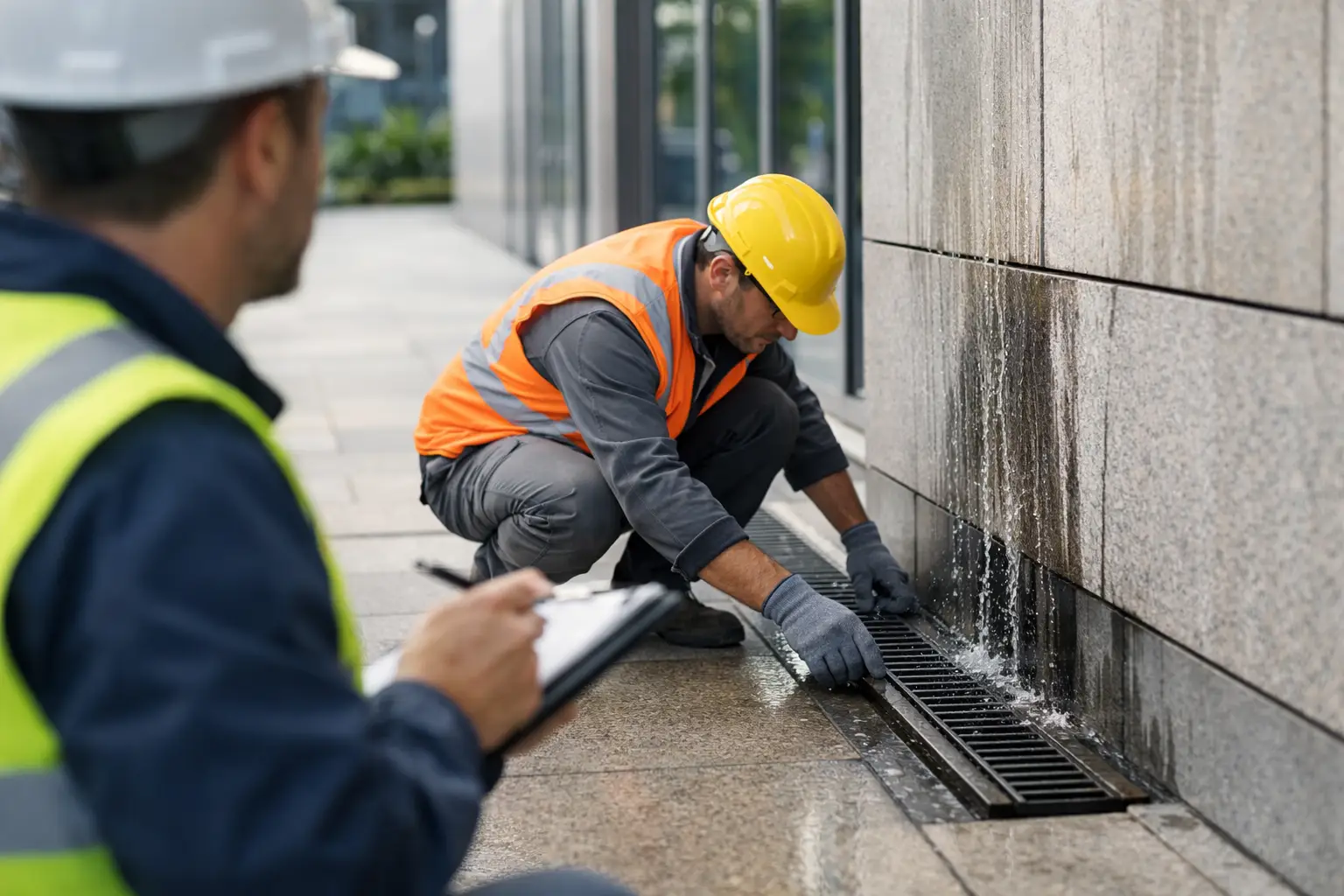
This distinction matters because cleaning alone may not solve the problem. If water is consistently cascading from failed drainage points, staining will return quickly. If facade sealants have degraded, trapped moisture can continue to feed discoloration and substrate damage. In other words, recurring dirt patterns often tell you something useful about the building envelope.
Choosing the right access method
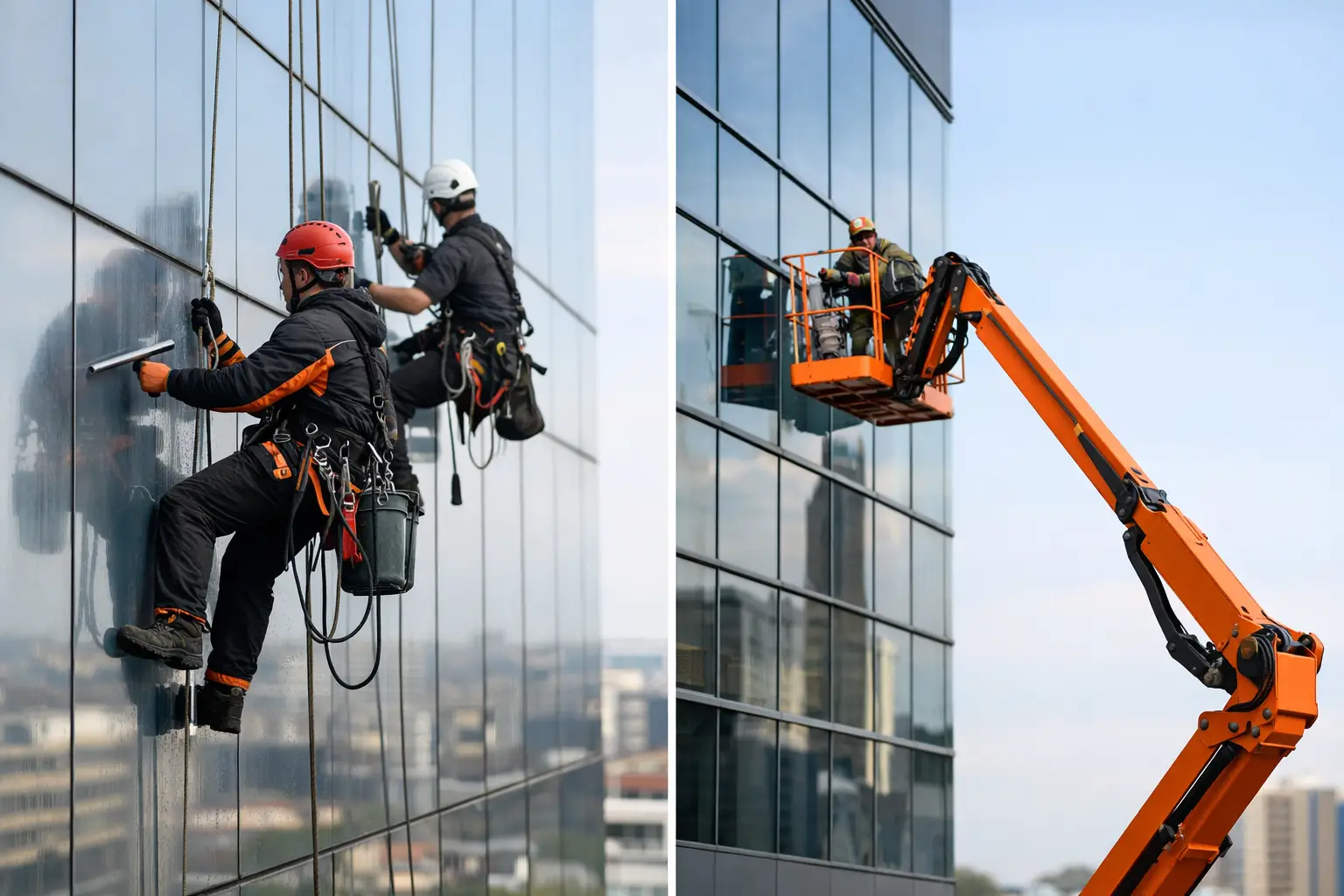
Access strategy is one of the most important parts of any high-rise exterior cleaning program. The safest and most effective approach depends on the building height, facade shape, roof configuration, and obstructions at ground level.
Building maintenance units are useful where permanent systems are already integrated into the structure. They offer repeatable access for towers with large areas of glass or uniform facades, but they are not always practical for complex geometry or partial cleaning scopes. Suspended platforms can be effective on suitable elevations, especially where broader work zones are needed.
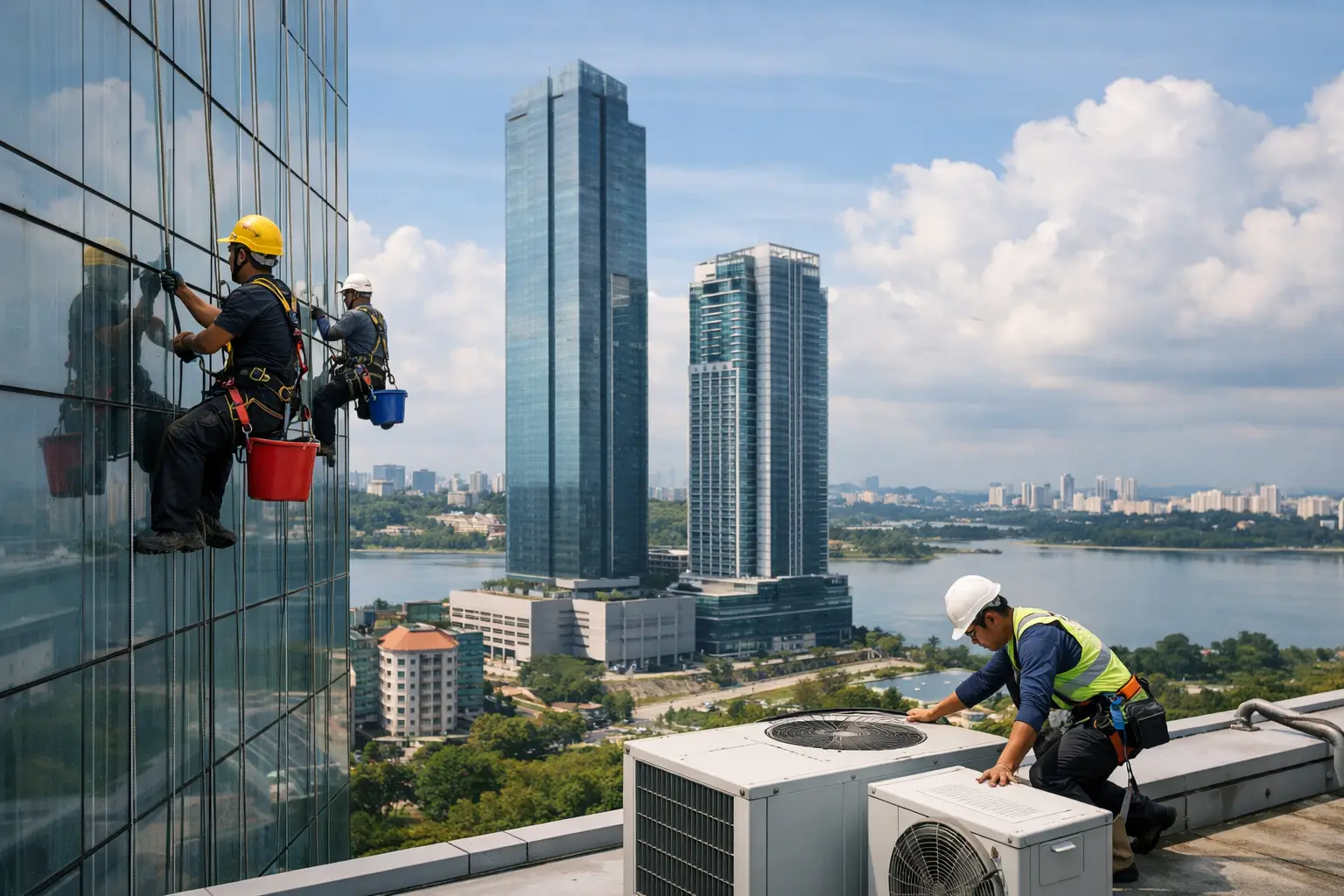
Rope access is often the preferred solution for buildings with architectural complexity, restricted access zones, or difficult-to-reach facade areas. It allows trained specialists to move efficiently across irregular surfaces while limiting the footprint at ground level. For many occupied properties, that can reduce disruption compared with bulkier access systems. That said, rope access is not a shortcut. It requires detailed planning, competent technicians, secure anchor strategy, rescue readiness, and a clear understanding of facade interaction points.
The right choice depends on the building. A solution-focused contractor will not force one method onto every project. They will match the access plan to the facade and the operational environment.
Safety is not a checklist item
In high-rise cleaning, safety planning should shape the work from the beginning, not sit at the end of the paperwork. The risks are obvious – work at height, falling objects, suspended access, weather exposure, and occupied premises – but the control measures need to be specific to the building.
That includes reviewing anchor systems, drop zones, pedestrian management, wind exposure, emergency procedures, and communication protocols. Weather is especially important. Sudden rain, high wind, or lightning risk can quickly change the safety profile of external work. On tall buildings, conditions at roof level may differ significantly from those on the ground.
Occupied commercial and residential properties also need operational planning. Cleaning should be scheduled and phased to minimize disruption to entrances, loading zones, tenant-facing elevations, and sensitive hours of use. A technically sound cleaning program protects both the workers on the facade and the people moving through the site below.
Method selection affects facade lifespan
Cleaning is often treated as routine maintenance, but the chosen method has a direct impact on how well facade materials age. Overuse of harsh chemicals can degrade coatings and sealants. Excessive pressure can force water into joints or damage surface finishes. Repeated abrasive cleaning can dull protective layers and alter appearance.
A measured approach is usually best. The least aggressive method that achieves the required result is often the right one. That may mean low-pressure washing, controlled chemical application, non-abrasive agitation, or spot treatment rather than a heavy, one-size-fits-all wash.
For this reason, mock-up testing is valuable on sensitive or high-visibility facades. It allows the team to confirm cleaning effectiveness before full deployment and helps avoid unintended finish variation across elevations.
When should a high-rise building be cleaned?
There is no single schedule that suits every property. A premium office tower on a major urban corridor may need more frequent facade cleaning than a sheltered residential building in a lower-exposure environment. Coastal conditions, traffic pollution, rainfall patterns, facade orientation, and material type all influence the cleaning cycle.
What matters most is consistency. Waiting until the facade looks obviously neglected often means contaminants have been sitting on the surface long enough to contribute to harder staining or conceal defects. Planned maintenance intervals make it easier to preserve appearance and identify building envelope issues before they become larger repair problems.
For many managers, the better question is not, “How often should we wash the building?” but “What level of facade performance are we trying to maintain?” If the building supports premium tenants, public-facing operations, or a strong architectural identity, the cleaning program should reflect that standard.
Cleaning as part of a broader facade maintenance plan
The strongest exterior maintenance programs treat cleaning as one part of a larger facade strategy. Every cleaning cycle is an opportunity to observe the condition of sealants, movement joints, brackets, coatings, glazing gaskets, and localized cracks or spalls.
This is one reason specialist facade contractors add value beyond surface cleaning alone. They understand what early warning signs look like and how access teams can support maintenance insight while carrying out cleaning work. For asset owners and management teams, that creates a more informed basis for future maintenance planning.
Facade by Vertical Pro Sdn Bhd works in this space because high-rise exterior care requires more than general building washing. It requires facade knowledge, safe access expertise, and a clear understanding of how environmental exposure affects long-term building performance.
What building managers should ask before approving a cleaning plan
Before any exterior cleaning proceeds, decision-makers should be confident on several points: whether the facade materials have been properly identified, whether the cleaning method has been matched to those materials, whether access has been planned safely, and whether the work can be carried out with minimal disruption to building operations.
It is also worth asking how the contractor handles defect reporting during the cleaning process. A good cleaning outcome is not just a cleaner building. It is a better-understood facade.
That shift in perspective helps property teams make better maintenance decisions. When exterior cleaning is approached as part of building preservation, it supports appearance, safety, and long-term asset performance at the same time.
A clean facade does more than improve first impressions. It gives your team a clearer view of the building you are responsible for protecting.
Discuss the next step
For advice on high rise exterior cleaning, request a site assessment or quotation from Vertical Pro.
The access method must be planned with the same care as the repair or cleaning method. DOSH Malaysia’s fall-prevention guidance sets out practical controls for preventing falls at work.
Leave a Reply